
Health leaders said Coloradans should look to trusted national medical groups and state-based experts for vaccine guidance after a meeting of a top national vaccine panel upended a longstanding vaccine recommendation.
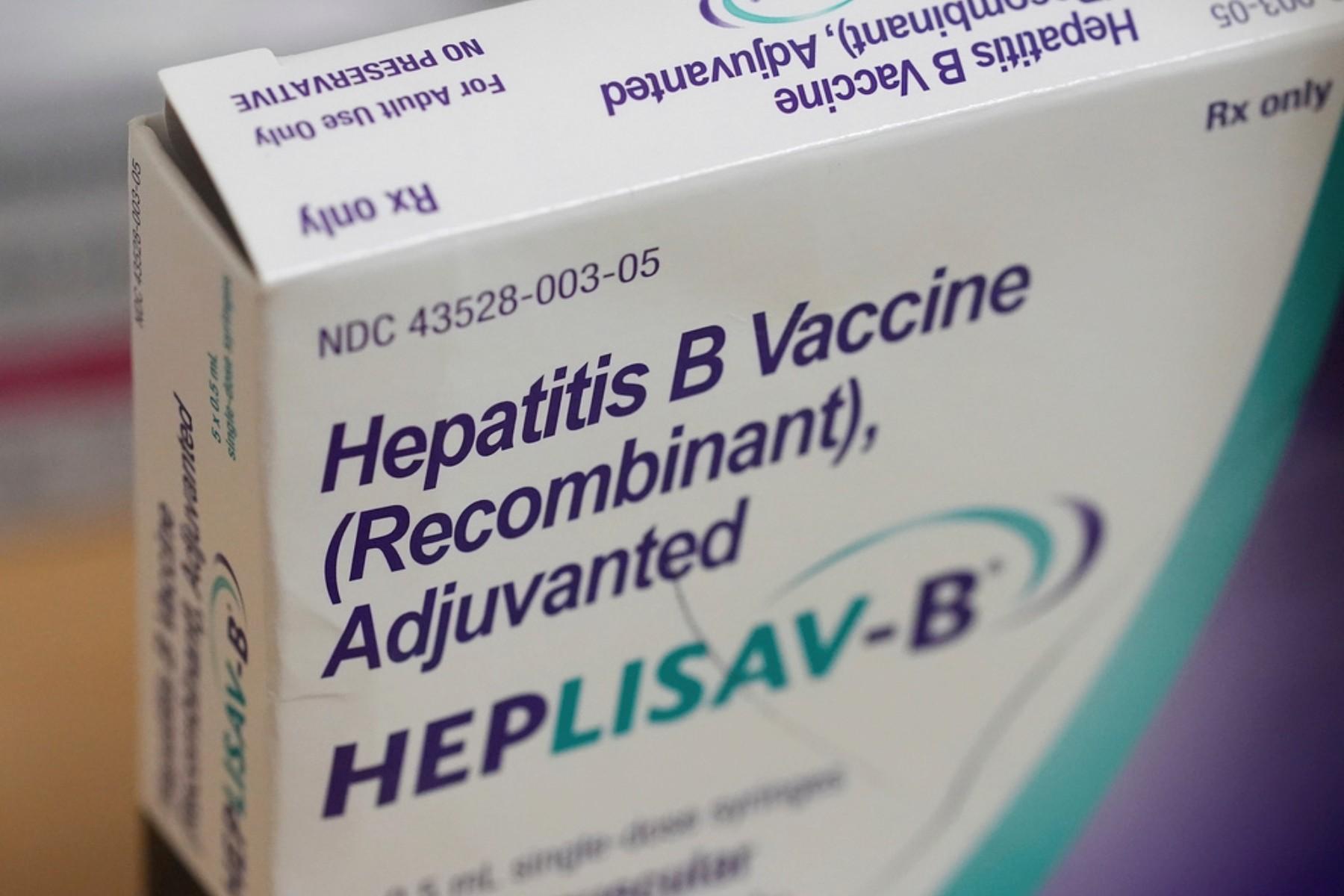
The Centers for Disease Control and Prevention's Advisory Committee on Immunization Practices, or ACIP, on Friday recommended rolling back the agency's hepatitis B immunization guidance for newborns. It voted to recommend hepatitis B at birth only for infants born to women who test positive for the virus that attacks the liver, or whose status is unknown. Women whose hepatitis B status is negative should discuss the vaccination with their doctors, the recommendation said.
Dr. Rachel Herlihy, the state epidemiologist, said the change is not supported by evidence and that the state’s health department would be keeping its existing guidance that all infants receive the vaccine.
“We continue to recommend that all newborns in Colorado receive the hepatitis B vaccine at birth,” she said. “That continues to be our recommendation. Nothing has changed that, and that recommendation is grounded in decades of rigorous scientific evidence and a strong safety record associated with the hepatitis B vaccine.”
The national vaccine group was handpicked by Health and Human Services chief Robert F. Kennedy, Jr., a longtime vaccine skeptic, after he fired the 17 members who previously sat on the panel.
The new guidance must still be approved by the CDC's acting director.
“The American people have benefited from the committee’s well-informed, rigorous discussion about the appropriateness of a vaccination in the first few hours of life,” said Deputy Secretary of Health and Human Services and CDC Acting Director Jim O’Neill, in a press release.
The move represents a major step back from the universal recommendation to start hepatitis B immunization at birth — in the U.S., that’s been standard practice for more than three decades. It’s a practice that experts said has sharply lowered virus-caused liver diseases.
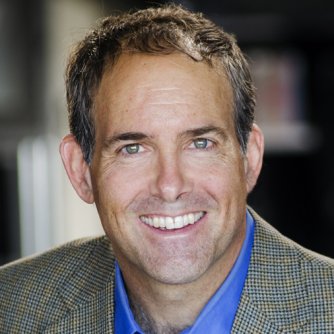
“States should not be looking for guidance from this ACIP committee on vaccination and what is best to protect their communities, families and children,” said Dr. David Higgins, a pediatrician and assistant professor of pediatrics at the University of Colorado Anschutz Medical Campus. “They should be looking to experts who are committed to a transparent, rigorous, and evidence-based process of making these really important decisions that affect the health of all of us.”
Herlihy said Colorado is taking proactive steps to let parents, doctors and nurses know that guidance in the state on this issue hasn’t changed.
She said the state health department, the Colorado Department of Public Health and Environment (CDPHE), would be taking several steps “to provide clarity and maintain access for families and providers.” Those included emergency rulemaking, coordinating insurance coverage, outreach, education and awareness.
The governor issued a statement on Friday after the federal decision.
“Every child and family deserves access to the medications they need. Colorado will continue to follow the science and strongly support the hepatitis B birth dose as a safe, simple, and effective protection for every newborn, even as ACIP creates confusion for families,” said Gov. Jared Polis, a Democrat. “We will reinforce the importance of continuing to get the birth-dose, and working to ensure people have access to the best information, that the vaccine remains covered, supporting providers, and partnering through the Governors Public Health Alliance to maintain strong public health protections for every family.”
Rep. Diana DeGette, a Democrat who represents Denver, blasted the decision.
“This administration’s anti-science agenda is going to get kids killed,” said DeGette, who is the Energy and Commerce Health Subcommittee Ranking Member, in a statement. She described the vote as “incredibly reckless” and “not supported by science” and called on Republican leadership to bring RFK Jr. before the Energy and Commerce Health Subcommittee “to explain his assault on science.”
Her comments were echoed by prominent national medical groups.
“Today’s action is not based on scientific evidence, disregards data supporting the effectiveness of the hepatitis B vaccine, and creates confusion for parents about how best to protect their newborns,” said Dr. Sandra Adamson Fryhofer, a trustee with the American Medical Association.
Colorado’s Herlihy said she worries the panel is only sowing doubt among the public and that vaccination rates for hepatitis B specifically, and other diseases in general, may slip.
“The concern here is that newer recommendations are being made without rigorous evaluation of the data that exists,” she said, “and that results in confusion.”
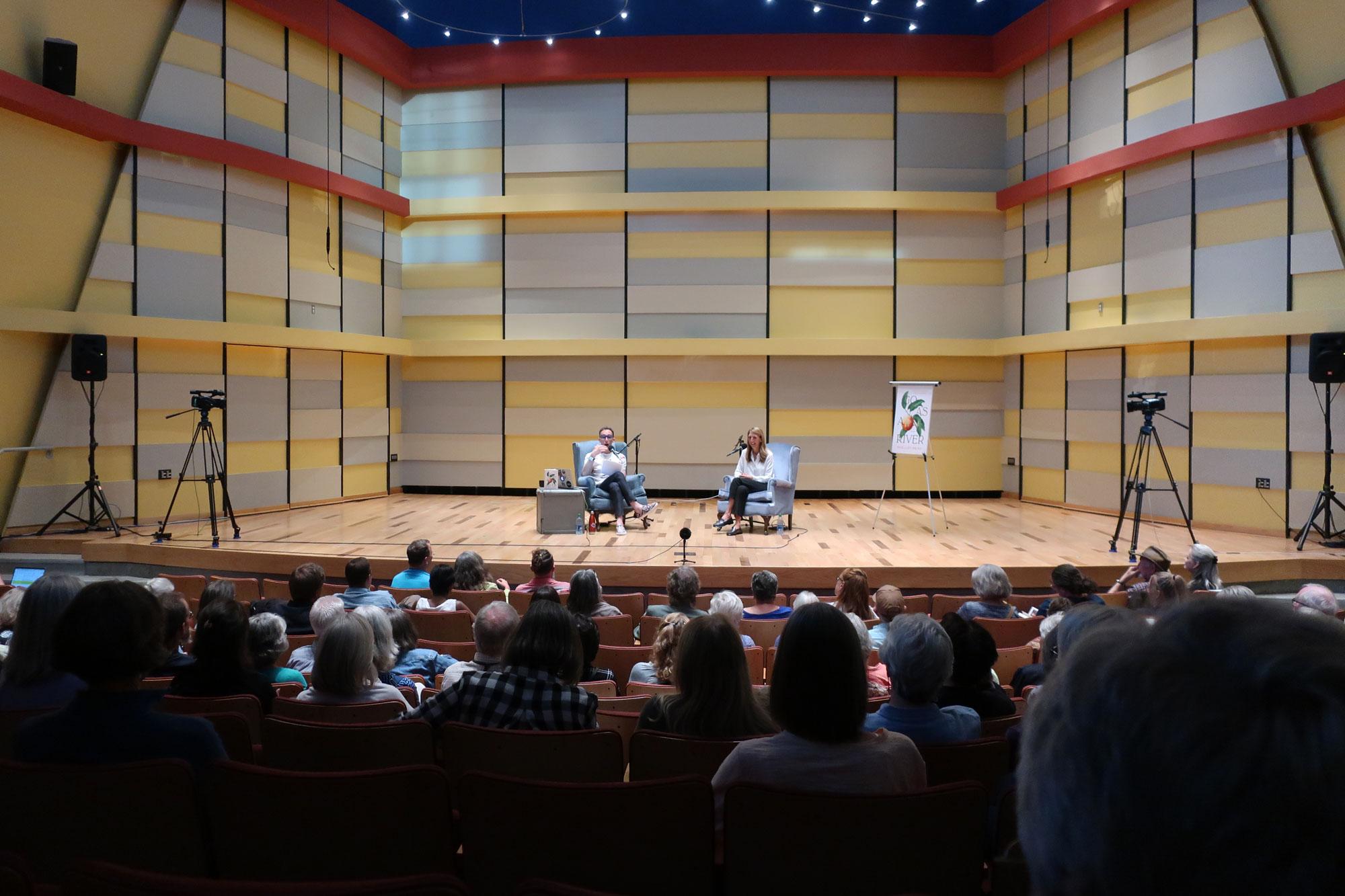
CPR Health Reporter John Daley spoke further about vaccine guidance with Dr. David Higgins, a pediatrician at the University of Colorado Anschutz Medical Campus.
This interview has been edited for length and clarity.
Dr. David Higgins: The meeting has made clear that the members of this committee are more interested in selling fear than advancing vaccine policy. The scientific record on the hepatitis B vaccine is very clear and unequivocal. The hepatitis B vaccine birth dose has been administered to tens of millions of newborns. And extensive safety monitoring has never identified any credible safety signals. Parents should be able to count on federal leaders and advising bodies like the ACIP to give experts and sound evidence and operate with transparency within processes that safeguard against things like arbitrary decisions. And this meeting shows that the ACIP is straying from that important role that it should play for parents, clinicians, pediatricians across Colorado and the country.
Daley: Tell me about how what's happening there with this federal panel is affecting parents who are talking to you and other pediatricians, your colleagues, and looking to you for advice?
Higgins: Most parents will never watch an ACIP meeting. Maybe some will skim headlines, but the reality is that these decisions and what the ACIP recommends trickles down into exam rooms and it's going to have a real harmful impact on the health of newborns and their families.
And I see this in clinic myself. I have parents who come in and have concerns and questions that came directly from something federal health leaders said or recommended. Fortunately, after empathetic conversation and helping the parents understand why what they heard is not in line with the clear scientific evidence, parents frequently still then choose to vaccinate their child when they understand how important it is and how misleading the information they heard really is. But these meetings and recommendations from advising bodies like the ACIP make a difference at the level of parents and parents deserve clarity and instead of what they're getting right now is chaos.
Daley: One issue that they've been tackling is the hepatitis B vaccine. Can you explain what the controversy is, what their perspective is, and then also what your group, the American Academy of Pediatrics, advises on this and why?
Higgins: The hepatitis B virus can cause an infection that leads to liver damage and liver cancer, and ultimately, unfortunately, death and in young children, infants and especially newborns. It is highly transmissible. Meaning if a newborn is born to a mother who has hepatitis B it is very likely that that newborn will develop the disease and chronic complications from that disease. The hepatitis B vaccine is one of the most effective tools we have to prevent chronic hepatitis B infection, cancer, and death. And it's essential that the vaccine is started, the first dose is given, in the first 24 hours of life in order to protect that newborn. The United States for over 30 years has had this recommendation that all newborns receive the vaccine at birth. And it has been incredibly effective.
And the American Academy of Pediatrics continues to strongly recommend that the hepatitis B birth dose be given as a foundational part of the childhood vaccine schedule. This recommendation is made on decades of really rigorous data and thoughtful consideration about what's best for the health of newborns.
Daley: We know that they're also taking a look at the vaccine schedule, which is the timing at which kids get these shots. What is that controversy about and what does AAP recommend on that front?
Higgins: The recommended childhood schedule is built on decades of rigorous research and remains one of the most effective tools for preventing serious life-threatening infectious diseases that we have. And the specific schedule we have here in the United States has been created with incredible thought and consideration about when children are most vulnerable to these life-threatening diseases, when they should be most protected, and how these vaccines and the schedule in which they're given can be done safely and within the medical system and care that we deliver to all children as they grow up.
Daley: There's now a serious divide between what this federal vaccine panel advises and what a lot of major medical groups like yours, the American Academy of Pediatrics, and others, as well as states are advising. What do you think states like Colorado should do now?
Higgins: Evidence-based recommendations that are really grounded in science remain critical to protecting the health of our children and public confidence in immunization programs. States should not be looking for guidance from this ACIP committee on vaccination and what is best to protect their communities, families and children. They should be looking to experts who are committed to a transparent, rigorous, and evidence-based process of making these really important decisions that affect the health of all of us.
Daley: What's the practical impact of these changes at the federal level? Will this affect, will insurance covers, will this affect access to vaccines?
Higgins: The decision that was made on the hepatitis B birth, though, should not affect insurance coverage or access to the hepatitis B vaccine. At the same time, it's going to sow confusion and doubt, and that's not only confusion and doubt among parents. Also, health care providers and health systems may be confused about how to interpret this, and that could lead to breakdowns in our normal processes that we use to deliver high-quality and efficient care to families. So that might create some barriers to getting these vaccines in hospitals after delivery. I see the recommendations from this panel and the information that's coming out from this panel as continuing to erode trust in vaccines and, in this case, unnecessarily sowing fear and doubt in vaccines.
Daley: The federal vaccine panel has talked a lot about individual decision-making. What would you like for parents to understand about that?
Higgins: My advice to parents and to the public is talk with your doctor and look for reliable and credible sources of information. I understand that not everyone is able to quickly and easily see and talk to their doctor, and we have real access problems for primary care providers and being able to see your doctor that we need to continue to work on. But you also can look for reliable and credible sources online. I would also encourage people to reach out to their clinic or hospital and health system that they normally receive care and ask them what resources they recommend. They may have some resources that are tailored to their own communities that might be even better.
- National pediatric group turns science into childhood vaccine recommendations
- As a new federal vaccine panel recommends some changes, what does it mean for Colorado?
- Vaccine questions in Colorado multiply ahead of meeting of key federal vaccine panel
- Amid federal vaccine uncertainty, Colorado takes steps to ensure access to COVID-19 vaccines