Many areas of the Front Range are under a red flag warning on Wednesday due to high winds, dry conditions and critical fire danger.
Winds are projected to gust as high as 85 miles per hour around Colorado beginning Wednesday morning.
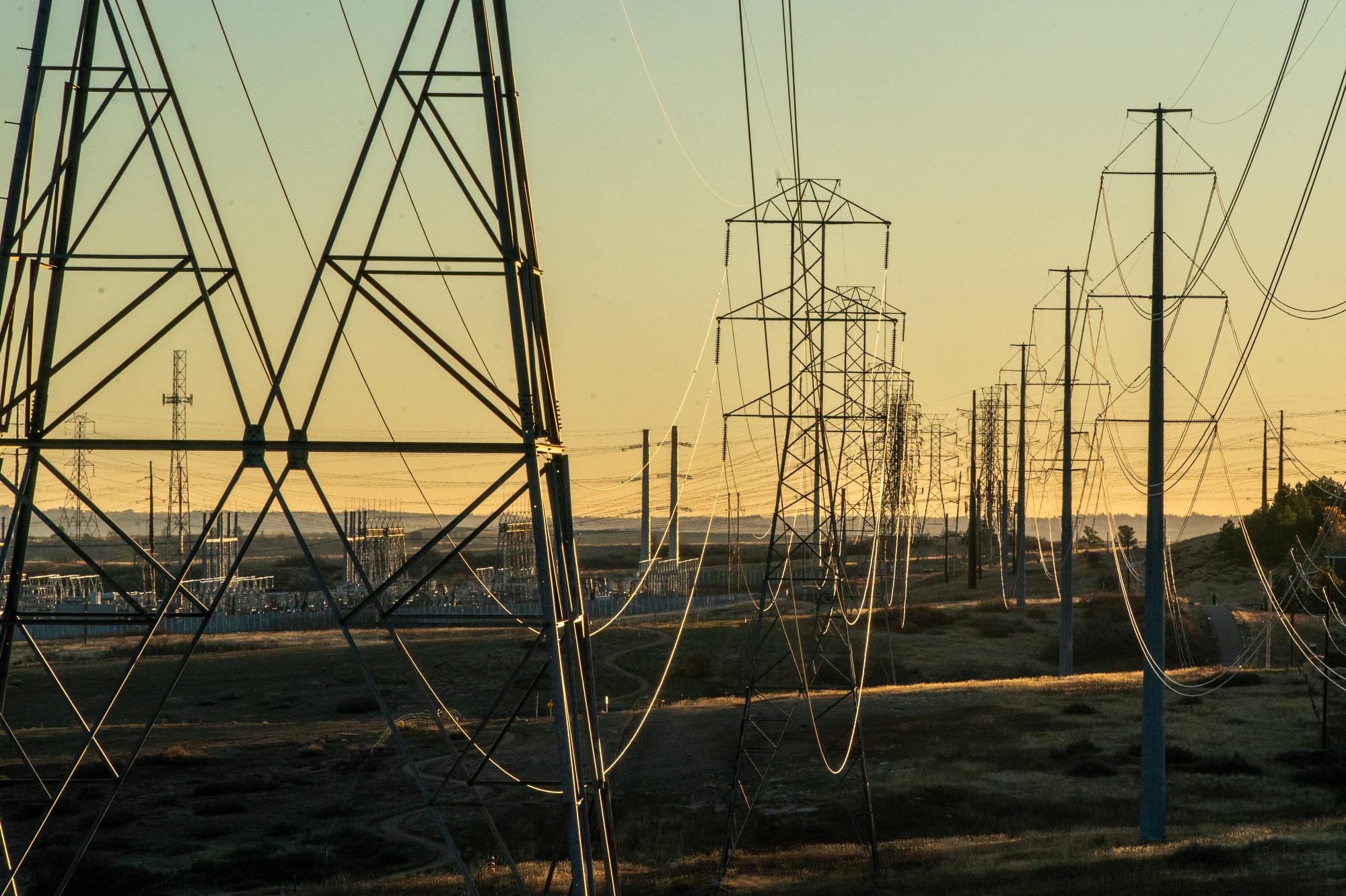
As a precautionary measure, Xcel Energy could cut power to areas deemed “high risk” for fire danger. On Tuesday evening, Xcel Energy moved up potential power outages for Front Range communities from to start at 10 a.m. instead of noon. The company also narrowed the scope of the potential Public Safety Power Shutoff to around 50,000 customers in Boulder, Clear Creek, Jefferson, Larimer and Weld counties. The company said the power outages are meant to prevent any downed power lines from sparking a fire.
A Public Safety Power Shutoff is when Xcel turns off power to targeted areas based on their risk — something the utility “doesn’t take lightly.”
Xcel notes additional outages could take place outside of areas impacted by the planned outages, which could slow restoration times. Power restoration efforts will begin after high winds and elevated fire risks have ended. The company expects extreme conditions to improve around 6 p.m. Wednesday.
On Tuesday, school districts and businesses were preparing for possible outages.
The Weld County School District cancelled kindergarten through fifth-grade classes and adjusted schedules for both middle school and high school students. The University of Colorado Boulder campus will be under an administrative closure on Tuesday, allowing for only essential services such as dining and housing.
Meanwhile, the Boulder Valley School District said it was monitoring the potential impacts on classes, and the Arvada Center was monitoring for any impact on their Wednesday performances of the Disney musical “Frozen.” However, neither made any cancellations.
Customers can look up their address online to find out whether they may be subject to an outage.
While winds are not expected to reach 100 miles per hour, as they did during the deadly 2021 Marshall Fire, Denver 7 chief meteorologist Lisa Hidalgo told CPR News conditions are similar.
“We've been kind of stuck in this [pattern]. It's kind of a La Niña. So what we're getting from the Pacific Northwest is a lot of good rain, good moisture coming in, and it really kind of gets trapped by our northern and central mountains down across the plains,” she said. That, combined with a low-pressure system hovering over the western U.S., has resulted in storms being pushed north of the state."
Long-standing drought has caused fuels like tall grasses and brush to dry out, making them susceptible to fire. Meanwhile, unseasonably warm temperatures and a continued lack of moisture at lower elevations have just increased the fire risk.
What you can do if there’s an outage
- Make sure to gather portable chargers and ensure they — along with any of your electronic devices — are fully powered up ahead of time.
- Make sure to have a battery-powered radio in order to receive alerts and safety information. The Internet and data are often jammed or inaccessible during power outages and emergencies.
- Charge any medical devices you might need in advance.
- Make sure you’ve got backup light sources and first aid kits ready to go.
- Xcel also recommends setting your fridge and freezer to the coldest setting in advance. That will help keep food cold for up to 4 hours in the fridge and two days in the freezer if the power cuts out.
- If the power does go out, make sure to turn off or unplug appliances that could surge when power returns.
- Practice opening your garage without the electronic motor so you can leave your house if needed.