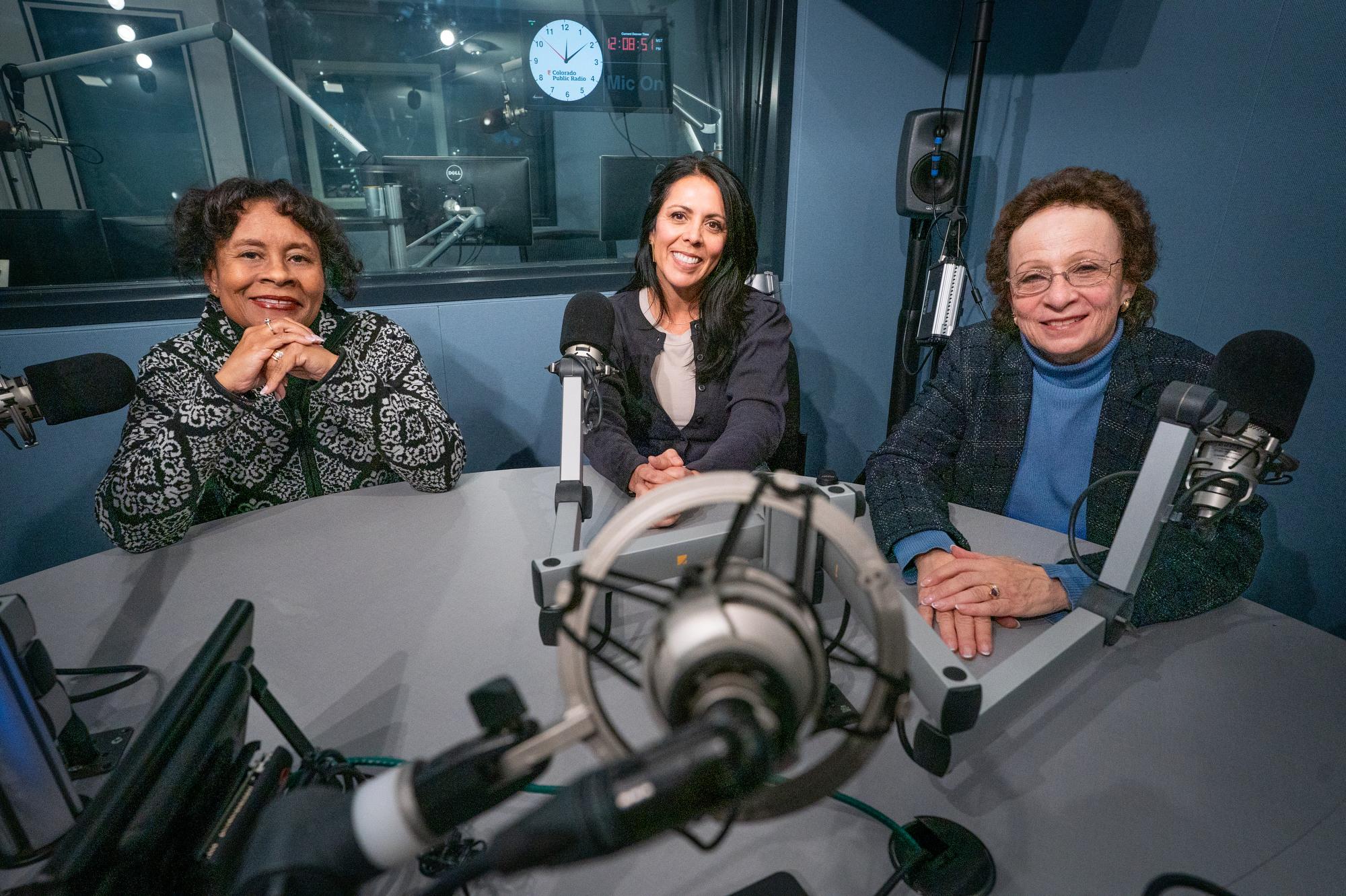
As the Colorado Women’s Hall of Fame marks its 40th anniversary, three inducted leaders reflected on progress, persistence and the work still ahead during a Colorado Matters conversation with host Chandra Thomas Whitfield.
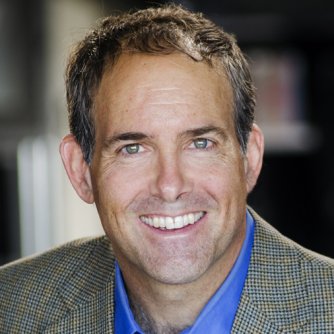
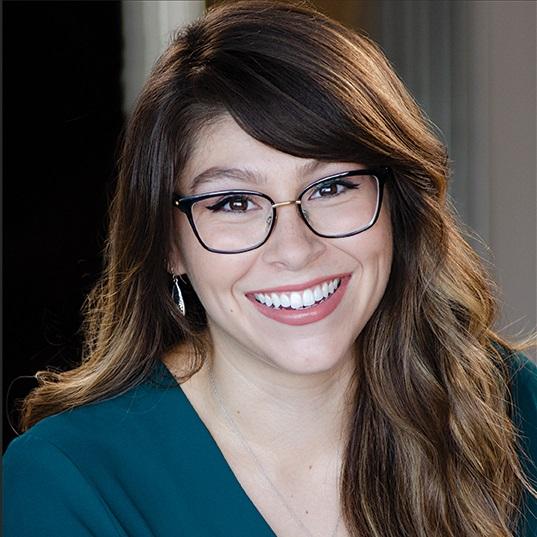
The inductees — Velveta Golightly Howell, Jill Tietjen and Dusti Gurule — come from different fields, including law, engineering and reproductive justice. But their stories converged around shared experiences of exclusion, visibility and community building.
1. Belonging rarely comes easily — women often have to create it
Each inductee described entering professional spaces where women, particularly women of color, were underrepresented or isolated.
Golightly-Howell, founder and CEO of Sister to Sister, recalled arriving at the University of Colorado Boulder Law School in 1978 from what she described as a “very nurturing environment” in Alabama. That sense of stability collapsed after her first year, when several classmates of color were expelled.
“It was horrific,” she said, describing the period as traumatic and isolating. She also pointed to the Supreme Court’s Bakke decision, which ruled in favor of a white applicant who claimed reverse discrimination, as a backdrop that made her experience even more difficult.
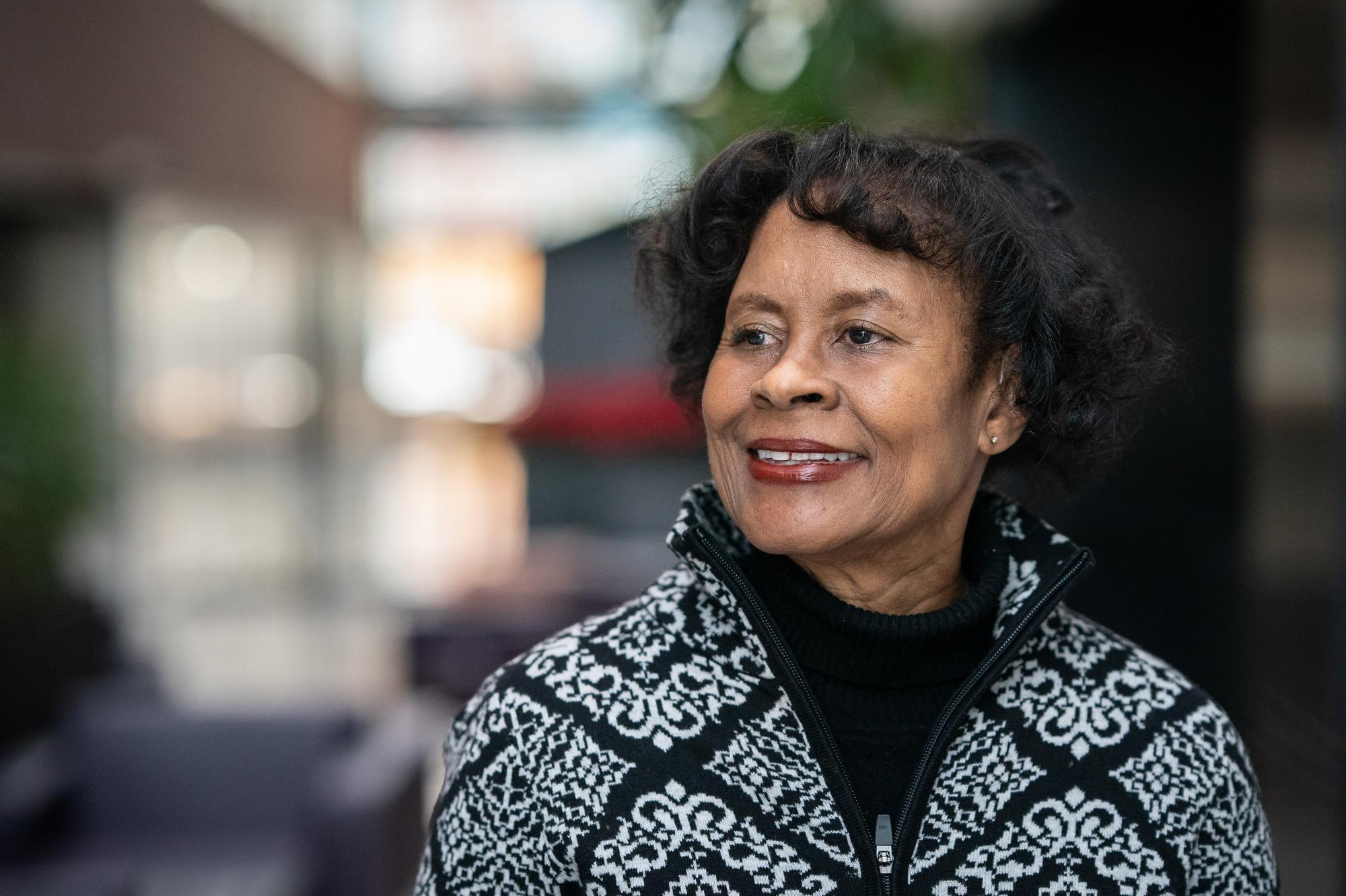
Tietjen, an electrical engineer and author, said she encountered similar isolation. She graduated from the University of Virginia in 1976 as one of seven women in a class of 220 engineering students. When she entered the workforce, she found even fewer women.
In 1979, she joined the Society of Women Engineers, which she described as her primary support system — a place where she no longer had to justify her presence or competence.
For Gurule, president and CEO of the Colorado Organization for Latina Opportunity and Reproductive Rights, isolation often came from leading nonprofit organizations as one of the few Latinas in executive roles, while also working in reproductive justice — an issue she said many people avoided discussing openly.
Despite their differences, all three emphasized the importance of finding community and building networks that make belonging possible.
2. Recognition matters — especially when women’s contributions are overlooked
Each woman said being inducted into the Hall of Fame was meaningful, but not because it signaled the end of their work.
Gurule said she initially viewed the nomination as a long shot and questioned whether her confrontational advocacy style fit traditional ideas of recognition. But the induction, she said, became a form of validation and a way to broaden her platform and connect with a wider network of women.
Tietjen said the recognition highlighted a persistent problem: women’s work often remains invisible or undervalued.
“When women are not in the history books, when their accomplishments are invisible, minimized and marginalized,” she said, it affects how future generations see what is possible.
That belief shapes her writing and advocacy. She recalled working on a project where eighth-grade girls asked not to be shown “extraordinary” women, but women who had changed the world in tangible ways — role models they could realistically imagine becoming.
Golightly-Howell said the honor allowed her to recognize her parents’ sacrifices and serve as a visible role model for young Black girls.
“To be able to honor them and also at the same time serve as a role model for young Black girls and youth and young women was especially gratifying,” she said.
3. Progress is uneven, and the work continues
The conversation came at a moment when many women say their rights feel increasingly vulnerable.
Gurule, who works in policy and politics, said she feels both hopeful and anxious as Colorado prepares for major elections that will shape leadership at every level of state government.
“We can’t afford to go backwards,” she said, calling the coming year a critical moment for the state.
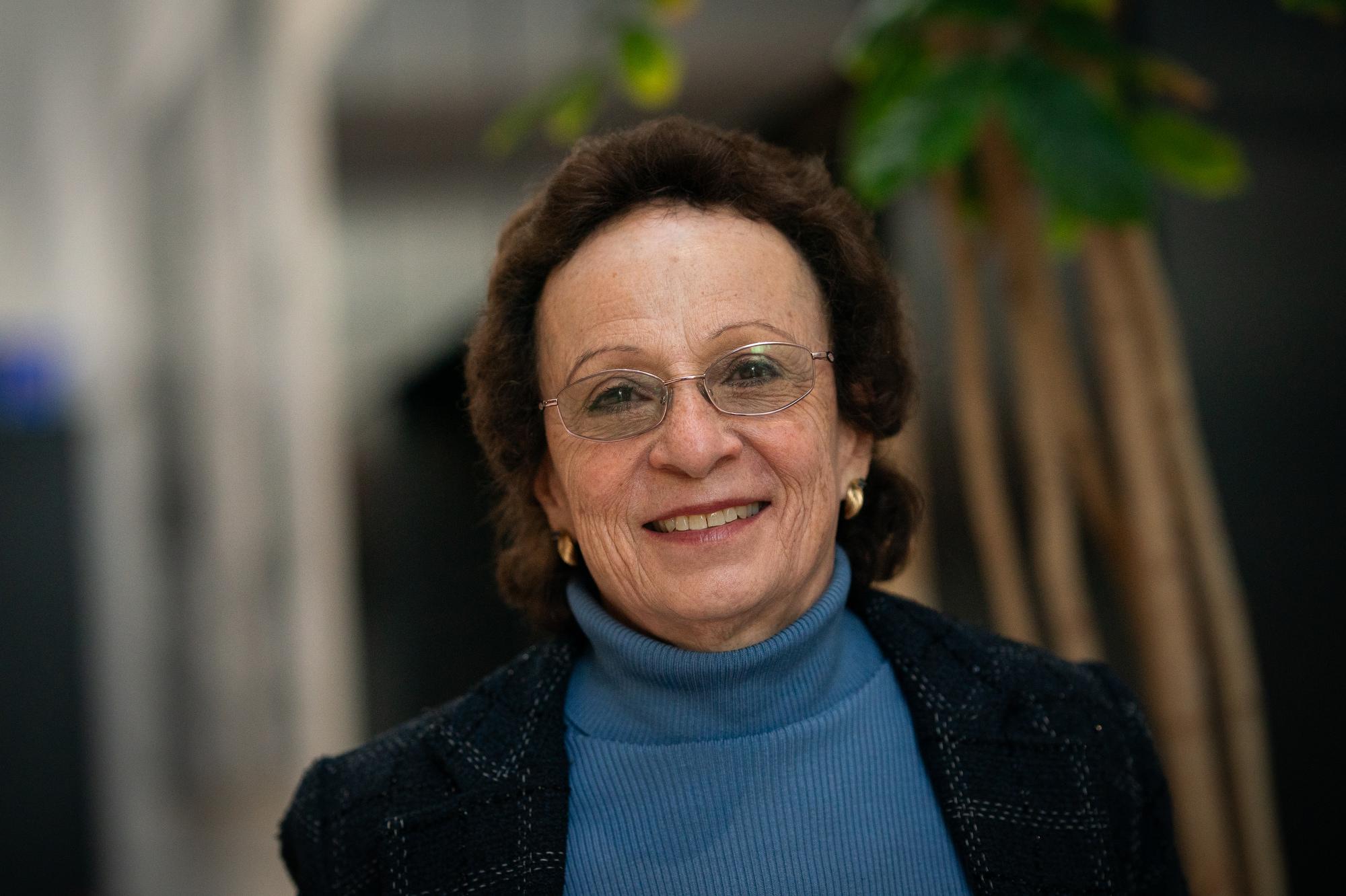
Golightly-Howell said she does not feel anxious, but believes the current climate demands urgency and collective action. She pointed to historical setbacks following the Civil Rights Act of 1964 as evidence that progress can erode without sustained pressure.
Fear, she said, can prevent people from acting. Building coalitions and shared purpose, she argued, is essential.
Tietjen said she remains focused on the work she knows matters: documenting women’s accomplishments so they are not erased.
“One of the things that I know is that the work that I’m doing to write women into history — all women into history — is incredibly important,” she said.
Looking ahead
When asked to imagine the Hall of Fame 40 years from now, the women expressed hope tempered by realism. Tietjen noted that despite decades of effort, women still make up less than 20 percent of the engineering workforce.
Before the conversation ended, each woman offered advice to younger generations. Gurule urged young women to trust themselves. Tietjen emphasized self-belief as the foundation of leadership. Golightly-Howell described courage, purpose and community as inseparable.
“Courage allows you to know your purpose,” she said. “Purpose allows you to build community, and it’s cyclical. It’s continual.”