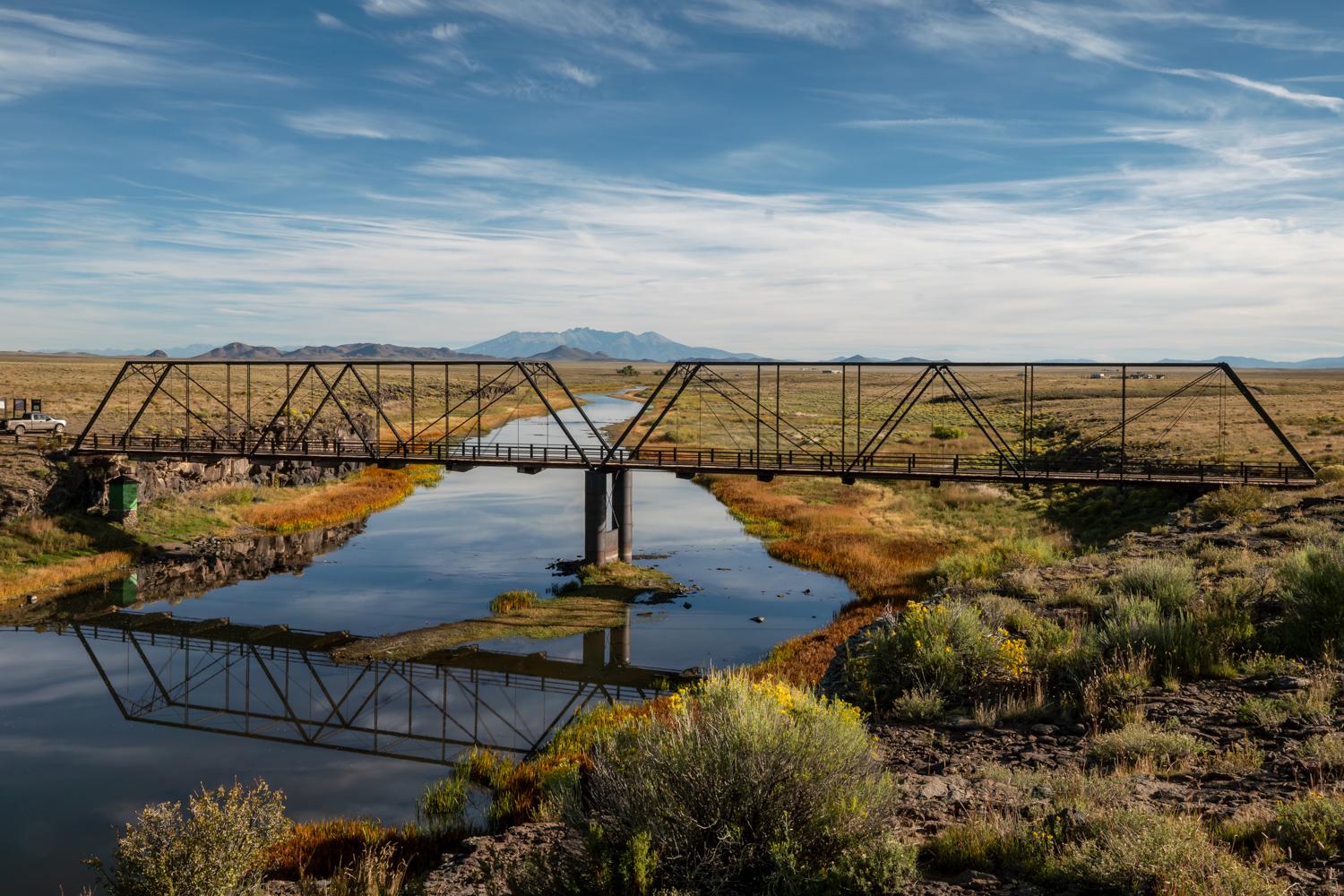
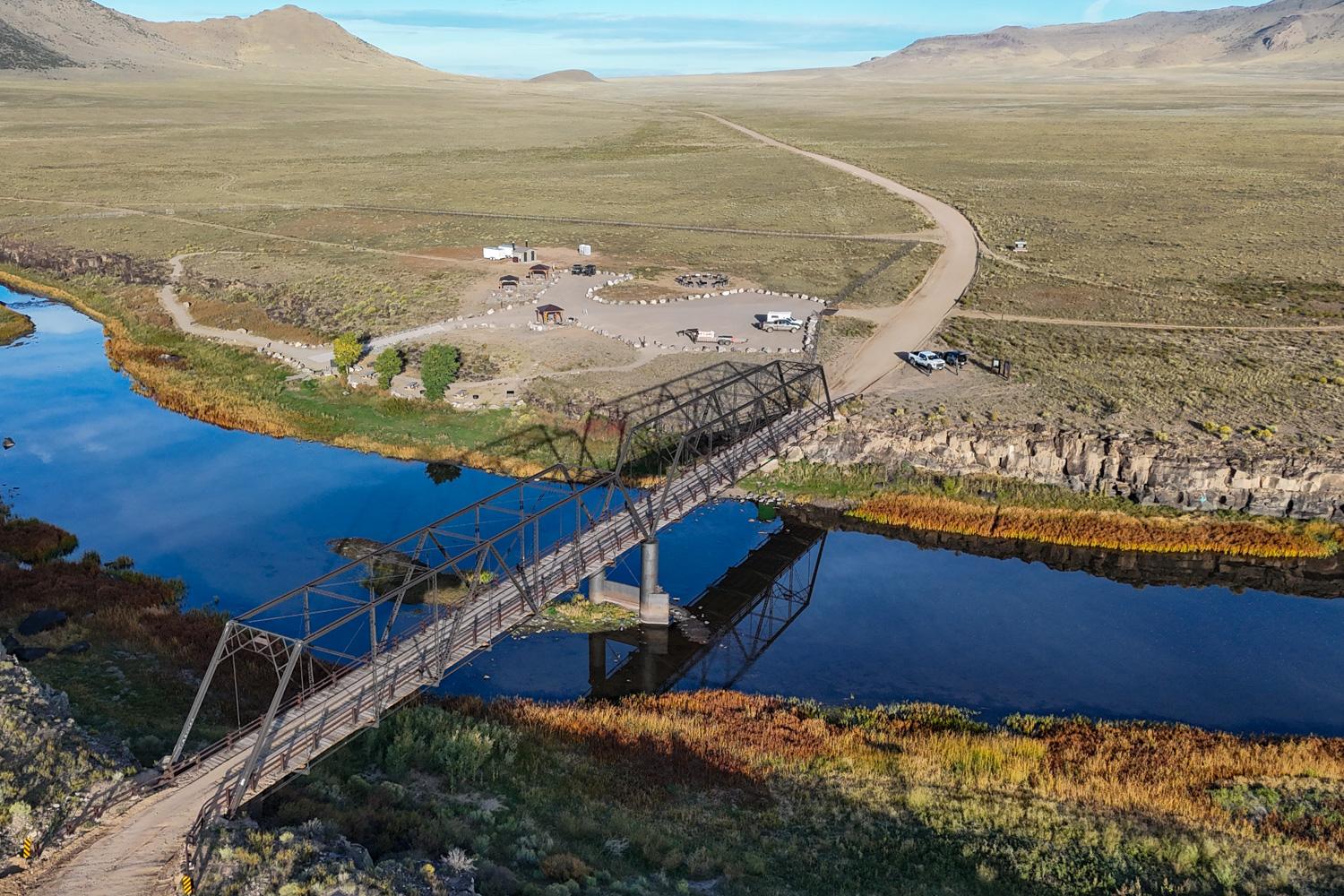
An unusual 1800s ironwork bridge crosses the Rio Grande River in the San Luis Valley. It’s the site of the new Bureau of Land Management Lobatos Bridge Outdoor Classroom.
Indigenous people, Hispanic settlers, farmers and others have long called the area home. The new facility on the banks of the river adjacent to the bridge features 16 signs about the area's rich biodiversity and complex history, along with recreational opportunities like fishing, hiking and rafting.
“That was one of the big drivers for the project for both Conejos and Costilla County schools to come to the area,” Dale Culver, the BLM field manager for the site, said. “Outside of the education component, it's set aside for recreation.”
A rare historic Bridge
The Costilla Crossing Bridge, also known as the Lobatos Bridge, was built in 1892 by the Wrought Iron Bridge Company, according to the history collected for the site. It was the first bridge to cross the Rio Grande River in the area west of Antonito, replacing a cable car system during a time when the water ran higher and faster.
“The recognition of that bridge and what it means to that community and for everyone there is an important piece of the story,” Dale Culver said.
A couple of different types of truss systems are combined in the structure, and it is one of only a few similar bridges left in the nation. It’s still in use for people travelling between Costilla and Conejos counties.
Indigenous hunters and homesteaders, Hispanic shopkeepers and silversmiths
Indigenous history began in the area many millennia ago when the last ice age glaciers receded and a giant lake covered most of the valley. Evidence found there of these early hunters is some of the oldest in the Western Hemisphere, according to the BLM information. They could have been hunting big prey, such as the Columbian Mammoth, a species much larger than the Woolly Mammoth.
Eventually, Hispanic families moved there too, including the Mondragons, who had a store by the river in the mid-1800s. They sold dry goods, candy, gunpowder and more.
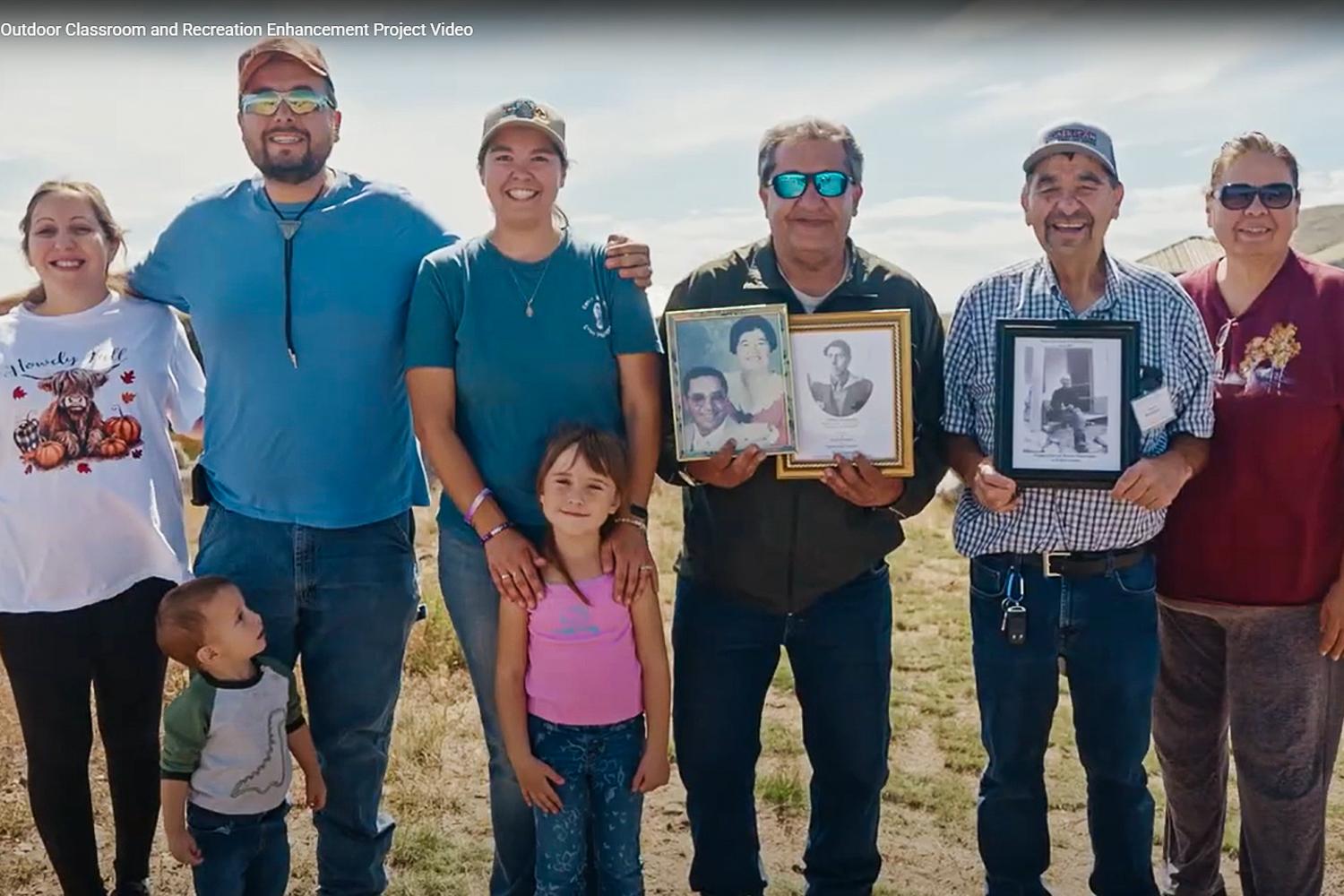
The site was also part of the homestead granted to Maria Leonora (Lenore) Lujan from the Ohkay Owingeh Pueblo in New Mexico. Part of the Mondragon family, she was one of the first Native American women to apply for and receive a land patent.
Larry Mondragon of Alamosa is a descendant of those settlers. He tells many stories about his ancestors, including how his great-grandfather, Roman, was a jeweler known for intricate gold and silver filigree work.
“He would make his jewelry during the winter months,” Larry said. When there was enough jewelry ready for delivery, he’d put on ice skates and take his pack of dogs, who’d pull him south on the frozen river.
“He'd start ice skating down the river towards Taos,” Larry said. “When he ran out of ice, he would hike the rest of the way into Taos. He'd sell all his jewelry and buy more gold and more silver and load his little backpack back up and then come back a week later and do it all again.”
A powerful continuation of a long history
Larry is proud of the new facility, and he thinks his ancestors would be both flabbergasted and delighted by it, too.
“I think this is a very powerful continuation of their legacy that they worked so hard to create,” he said. “They valued community and practical knowledge and passing their skills to the next generation. So this outdoor learning center is exactly the kind of place I think that they would've wanted their descendants to use and to protect.”
This is also the area where Ken Salazar, the former U.S. Ambassador to Mexico, Secretary of the Interior, and U.S. senator, grew up.
“My family were ranchers and farmers here, living in large part off the land and working in tandem with the community. I know how deeply this community treasures the Rio Grande and how it has shaped our nation’s history and culture for generations,” he said in a written statement.
The BLM collaborated with The Great Outdoors Fund to raise $800,000 through grants, private funds and other sources to cover the cost of the project.
Already a spot that drew fishermen and river enthusiasts, the new recreational improvements include a new boat ramp and on-site restroom facilities.
- Rio Grande Library Initiative aims to preserve and showcase the water, land and cultural history of the San Luis Valley
- In the San Luis Valley, artisans paint pictures of everyday life using colcha embroidery
- Two southern Colorado Scenic and Historic Byways get national recognition for innovative projects
- In the San Luis Valley, a religious celebration with traditions spanning generations takes place this weekend