

Over the summer, scientist Martin Muggli began seriously considering installing solar panels on his Lafayette home. He had already helped his sister plan her own system and thought he could get his power bill to basically zero.
But a major push to install came from one of the chief antagonists of renewable energy: President Trump. In July, Trump signed the One Big Beautiful Bill Act into law, which phased out tax credits for electric vehicles and other green technology.
One credit on the chopping block: the Residential Clean Energy Credit, which lops off 30 percent of the cost of a home solar installation. The law set the credit’s expiration date to December 31, 2025.
That deadline had Muggli, and many like him, racing to install solar panels before the new year, with thousands of dollars of potential savings on the line.
“The fact that it was expiring definitely motivated me to make it happen before the end of the year,” Muggli said.
Several solar installers reported a huge uptick in sales in 2025, as consumers raced to take advantage of the credit. But its expiration also has the solar industry bracing for a slowdown — and preparing for the next wave of changes that could throttle the industry.
“We’re having a record year for sure,” said Matt Johnson, VP of residential business at Namaste Solar, which has installed around 700 home systems this year, a record for the company.
While he’s expecting a dip in sales next year, he’s optimistic that a raft of Colorado programs and momentum will keep consumers interested in solar.
“Colorado is a pretty resilient market, and there are a lot of folks that want solar,” he said. “And so we think that demand will remain.”
Rush to sell residential solar, but the full impact on installations unclear
After the July law, there was an “industry-wide rush” to sell and install home solar before 2026, according to a December industry report from the Solar Energy Industries Association, a trade group, and Wood Mackenzie, a data analytics firm.
But the full extent of solar installations is not yet clear; the report does not yet have data for the last three months of 2025.
In Colorado, Xcel Energy said it had connected around 7,000 home solar systems to the grid this year, out of nearly 9,000 residential applications. (Homeowners and installers need permission from utilities to connect their systems to the grid.)
The company also said it saw a slight increase in solar applications in September and October, after the law passed.
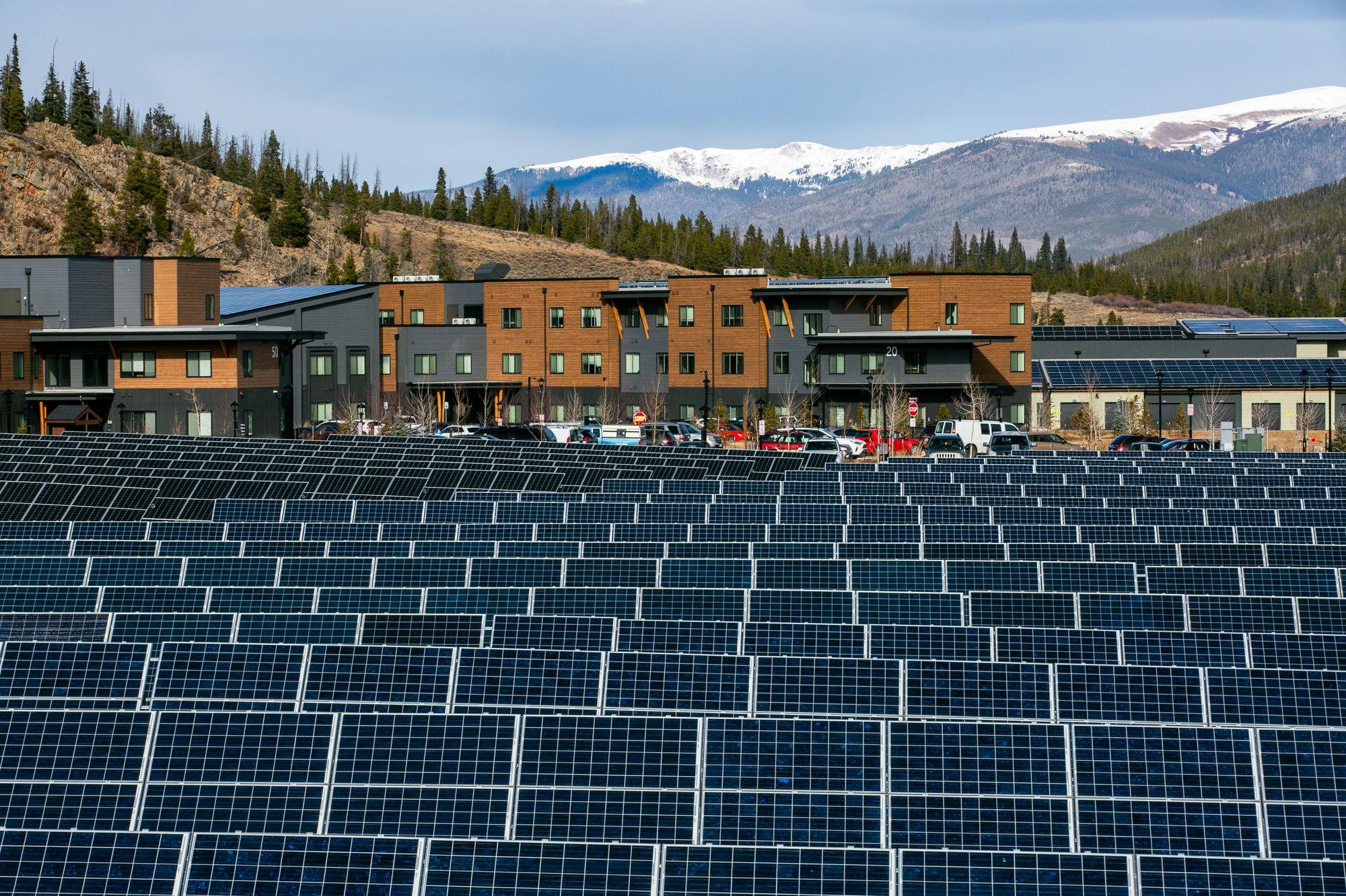
Boulder reported a more than 25 percent increase in rooftop solar permits in September, October and November compared to July, according to statistics provided by the city.
Unincorporated Boulder County also saw a slight increase in rooftop solar installations this year compared to the last five years. The county also said it was working through final inspections for systems so it could take advantage of credits.
2026 may be a tough year for residential solar, as some installers are struggling to get equipment, and some manufacturers have sold out their inventory, according to the report. That’s leading to a supply crunch, which could drive down sales.
Ellen Kutzer, general counsel at the Colorado Solar and Storage Association (COSSA), a trade group, said the solar industry would take a “significant” hit to residential installations in 2026.
Tax credit expires tomorrow, but window to act closed months ago
In order to take advantage of the credit, the IRS says that home solar panels must be installed by Dec. 31. The credit also applies to solar water heaters, geothermal heat pumps and battery storage.
Homeowners who haven’t already reached out to a solar company missed the window to use the credit months ago. That’s because it can take that long for installers to procure solar panels, engineer systems, get local permits and start construction.
“The quickest we can generally ever do anything — from signing a contract to getting installed — is around two months,” Johnson said.
The final step in the chain requires utilities like Xcel to give homeowners a final sign-off — known as a “permission to operate” — before they turn on the system.
For homeowners on the cusp of finishing their installation, or waiting to be connected to the grid, there is some grey area in the credit. The solar industry has interpreted IRS guidance to mean a homeowner has to complete construction by New Year’s Eve, according to Kutzer with COSSA.
That doesn’t necessarily mean a utility needs to give final permission to operate in 2025.
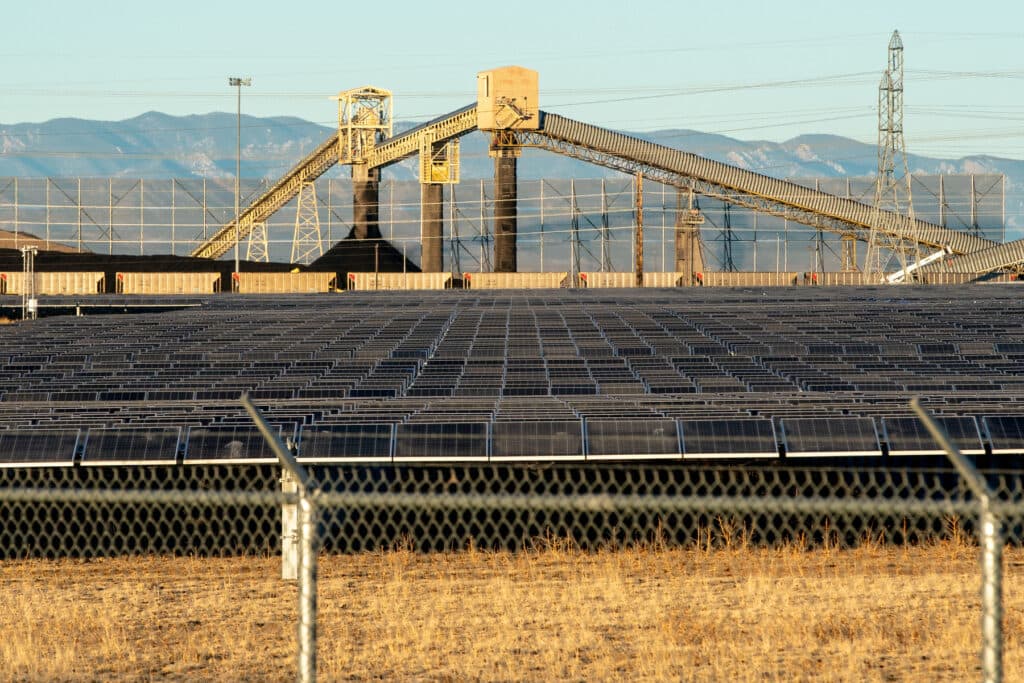
Xcel also sent emails to customers saying that systems must be “fully operational” before the end of the year to use the credit, but also cautioned that it does not provide tax advice.
“The most conservative thing a homeowner can do is just make sure that they get their own individualized advice and don't rely too much on industry or Xcel,” Kutzer said.
A bright spot: batteries and new programs
To adjust to the loss of the credit, the December industry report said that solar installers are pivoting to new business opportunities. Some are turning to “third-party ownership,” like leasing. For instance, customers might have solar panels installed on homes that they don’t own, which could allow them to take advantage of different credits.
“We don't know what that market's gonna look like today, but we do think that's gonna be a significant way that solar is installed in the future,” Kutzer said.
State and local incentives still exist to help homeowners cover some of the costs of solar or other energy efficiency upgrades.
Many customers are also installing solar panels with battery storage, according to the report, which can distribute power on demand and keep the lights on during outages.
Colorado is leaning into programs that use batteries to help the grid. Xcel’s Renewable Battery Connect Program pays customers to send power from their batteries back to the grid when the company is experiencing high electricity demand.
In 2026, the company will also start a “Virtual Power Plant” program, which will coordinate thousands of batteries at homes and small businesses, and send power back to the grid when demand skyrockets. The plan is expected to save money that would have otherwise been used to build or maintain bulky power plants.
“These resources are already available,” said Shannon Anderson, a policy director at the advocacy group Solar United Neighbors, referring to home batteries, smart thermostats, EV cars and more.
“And so all we need to do is connect them to the grid,” she said.
Muggli, the Lafayette homeowner, might be one of the last solar installations completed in Colorado this year. Namaste Solar wrapped his installation on Monday; he was their last project of the year, he said.
He’s already thought about adding a battery and more solar panels in the future.