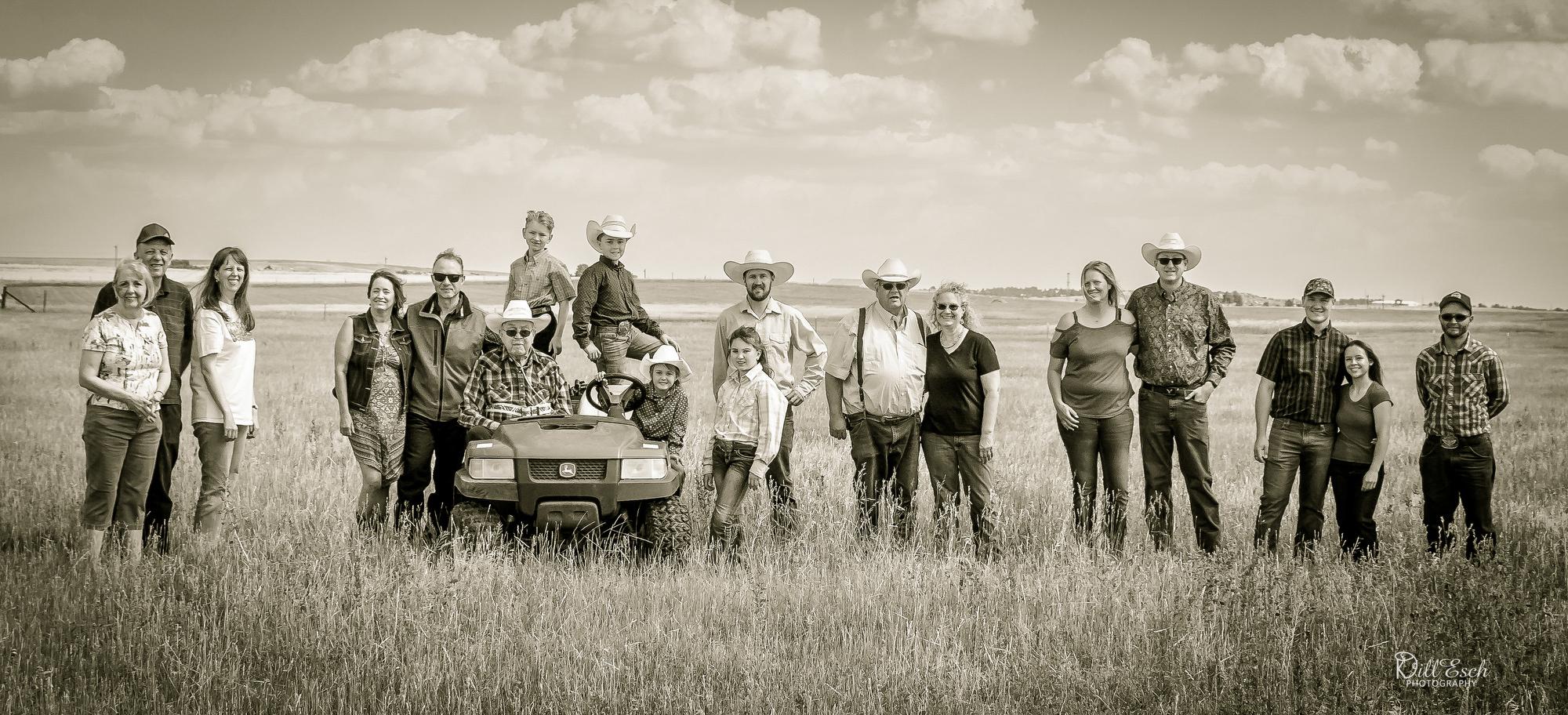
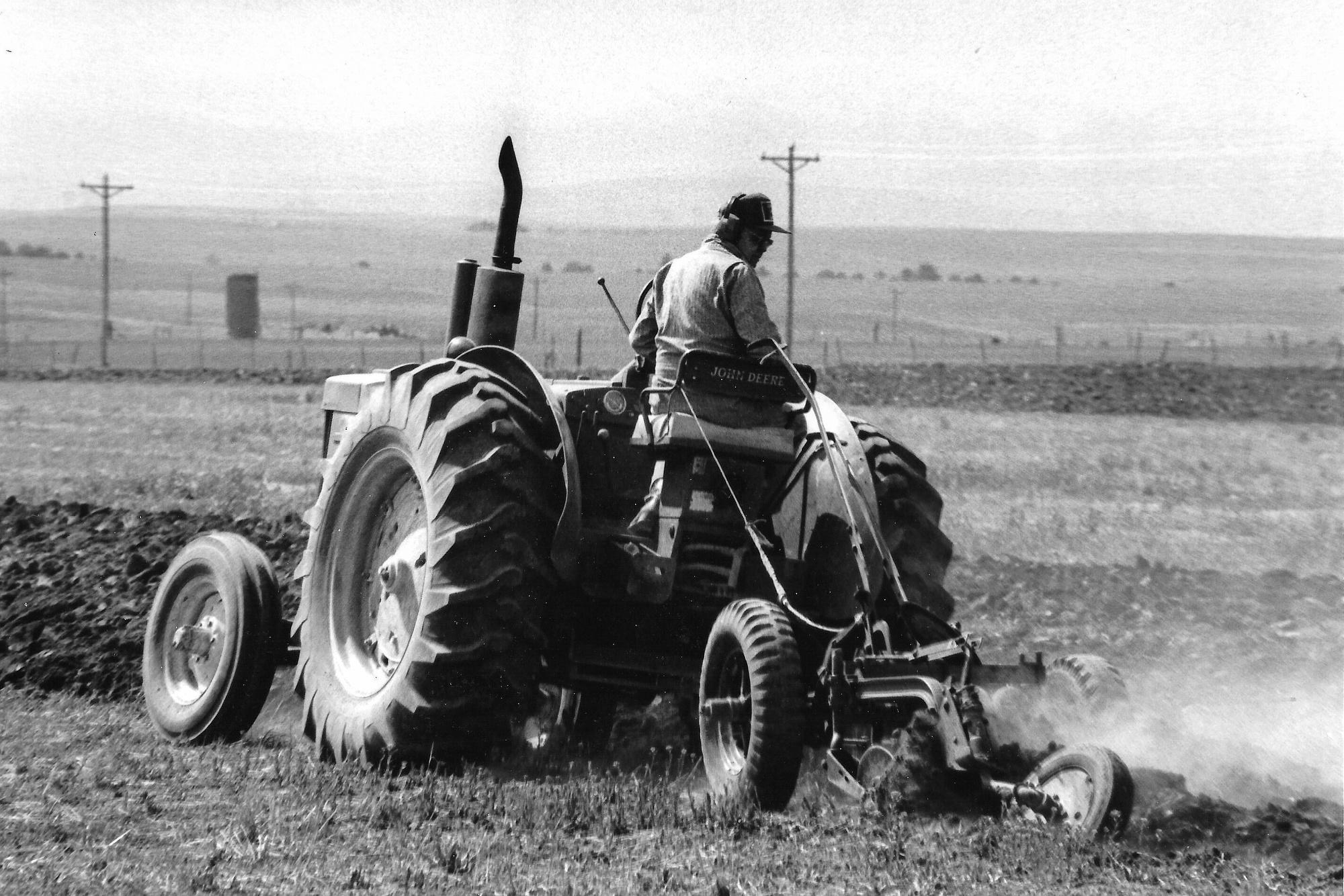
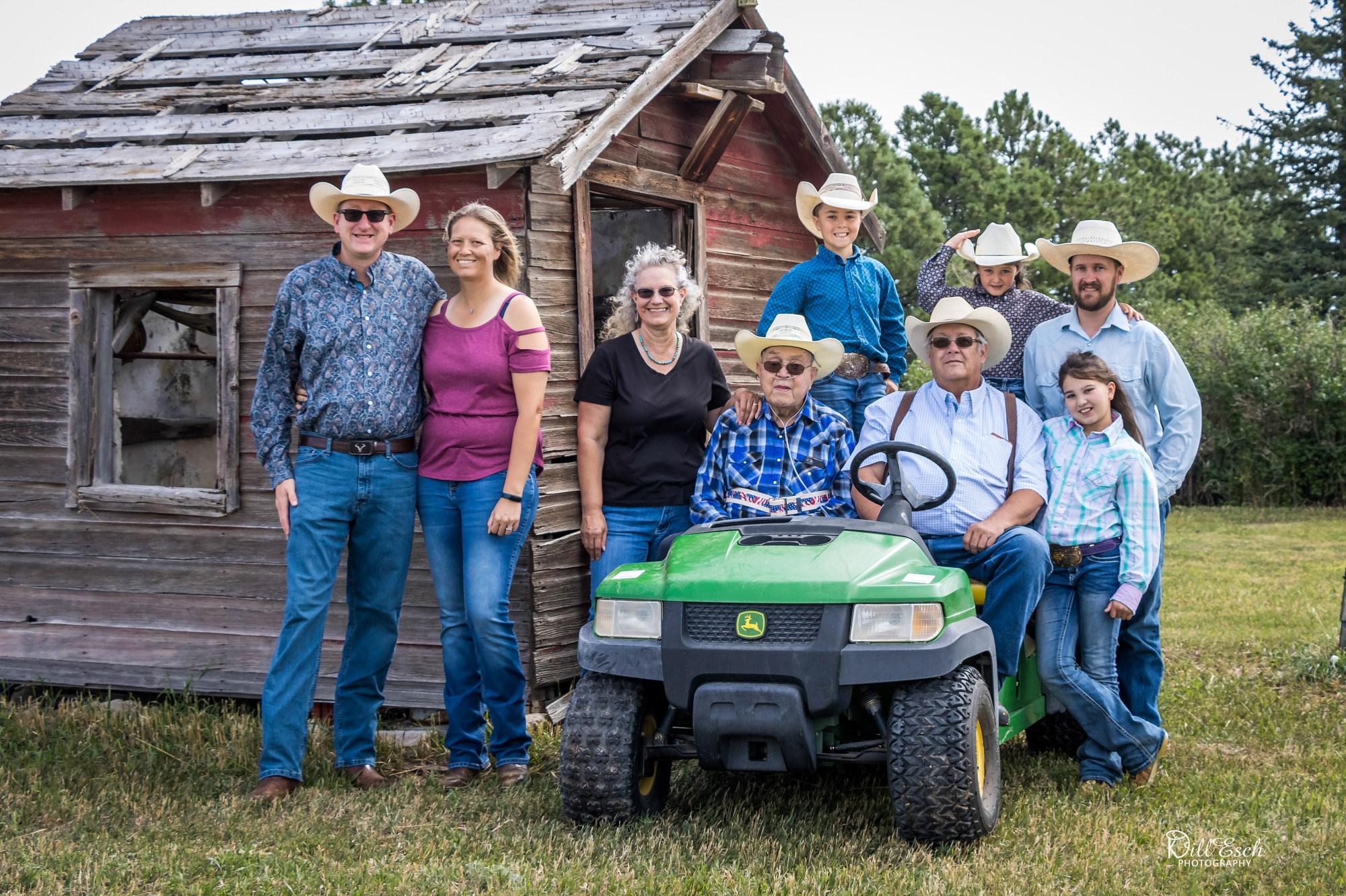
For more than a century, the Gresham family has worked the same stretch of land in Elbert County, east of Colorado Springs. Through blizzards, drought and long nights during calving season, generations of the family have kept the farm going.
The Gresham Farm earned a designation from History Colorado as a Centennial Farm this year, an honor recognizing agricultural operations that have remained in the same family for at least 100 years. For the Greshams, the milestone reflects more than endurance — it reflects family.
The farm stretches across the open plains, where wind brushes dry grass much as it did generations ago. Warren Gresham was born there 94 years ago, when the family grew beans and wheat. His earliest memories are tied to daily chores.
“We used to milk cows when I was a little kid … until I was grown up enough to go the service, we still milk cows by hand,” Warren said.
His memories included some of Colorado’s harshest winters, like the blizzard of 1972. His son John remembers how the deep snow transformed life on the ranch.
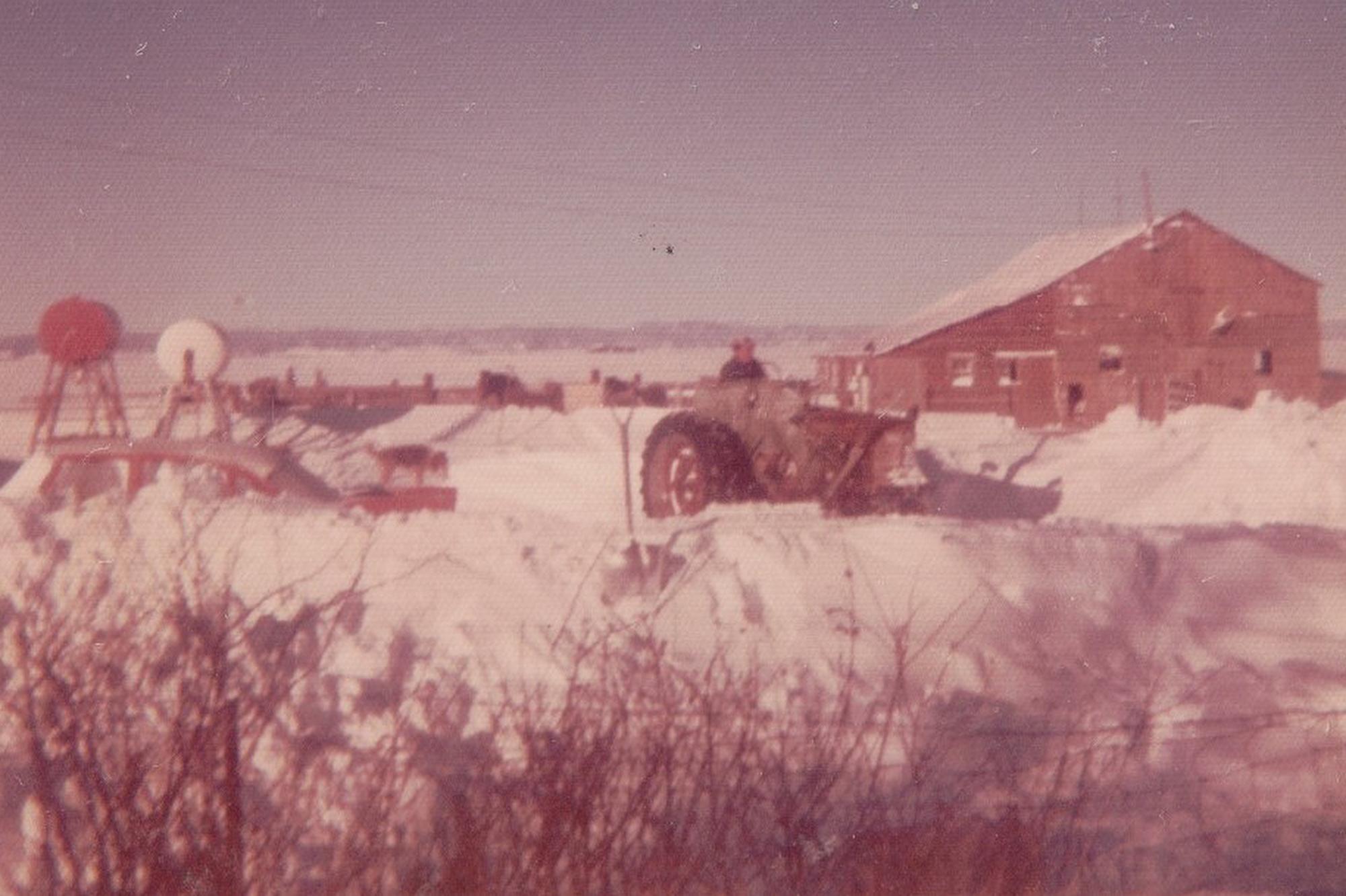
John and his brother Jim rode snowmobiles across fields, traveling over fences buried under drifts to get to school. In open areas, snow reached about four feet deep. Near buildings, it rose even higher, he recalled.
The storms forced the family to adapt. Feeding livestock became a coordinated effort that relied on creativity and teamwork.
“We fed with sleds on snowmobiles that year,” John said. He added that a string of rough winters meant they relied on snowmobiles and ingenuity for years to come.
The Greshams balanced agriculture with full-time work. John spent decades as a lineman. Warren delivered mail during the day and worked the farm at night. The ranch alone could not always support a family.
“I don't know that I ever made a living at it,” Warren said. “There just times got to where this small a ranch wouldn't support a family, so had to have a job.”
Despite the demands, Warren said the farm offered a good place to raise children.
“Kept them out of town, kept them out of the bar,” he said, laughing. “Well, most of the time … It was a learning process for them also.”
That learning started early. Warren’s granddaughter, Kate Dickson, remembers taking responsibility before she could fully see over the steering wheel.
“When I was little, it was driving the pickup while they would throw the hay out of the back of the truck,” Dickson said. “We got to drive when we were six or seven years old.”
The farm also gave her freedom — and a sense of adventure.
“There’s that old milking shed,” she said. “When it snowed a lot, we would go climb to the top and slide off the roof into a big snow drift.”
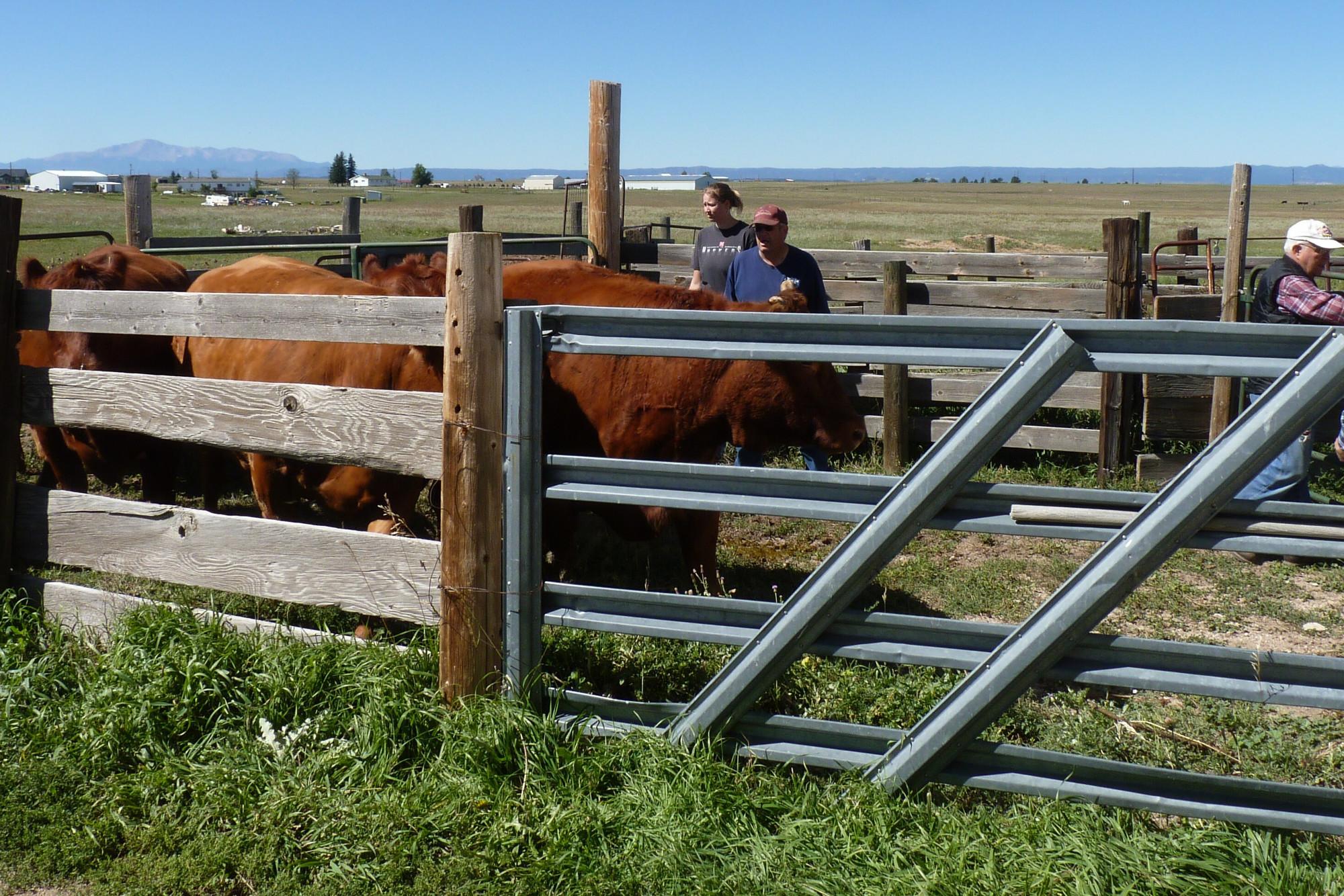
A century of ranching also brought loss. Dickson recalls a year when the family lost several young cows and a calf.
“We had this group of first-year heifers … we lost four or five heifers and our calf in one year,” she said.
Then came a moment she still remembers clearly. One calf seemed too frail to survive.
“I had a calf that I thought … was going to be gone,” she said. “He was so weak … and I walked in there and he was perked up, ready to go. And I named him ‘Tough.’”
That resilience defines the family’s legacy. Asked what has sustained them for more than a century, Warren answered simply:
“Love,” he said. “That’s what keeps us going as a family.”
John said working side by side across generations has become increasingly rare.
“Four generations working on the same land,” he said. “It’s neat.”
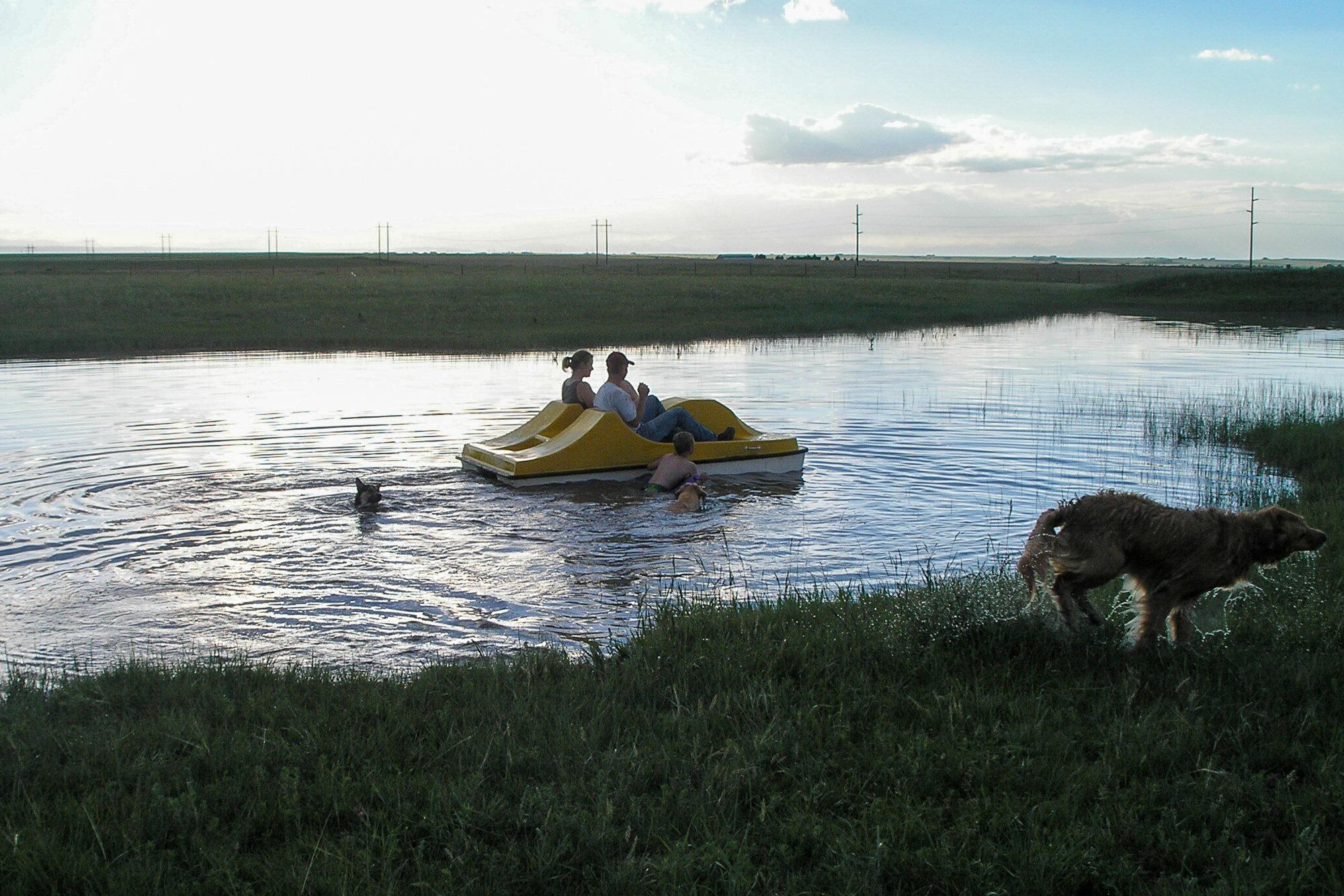
Memories remain embedded across the property. For Dickson, some of the most meaningful moments came during quiet walks with her grandmother.
“We’d always go on a walk to the pond,” she said. “We would pick wildflowers going up there.”
Like many agricultural operations in Colorado, the farm’s future remains uncertain. Rising costs, development pressure and unpredictable weather challenge ranching families across the state. Still, Dickson hopes the land remains with the Greshams.
“I would love to be able to take it over sometime,” she said. “Anyone in the family.”