
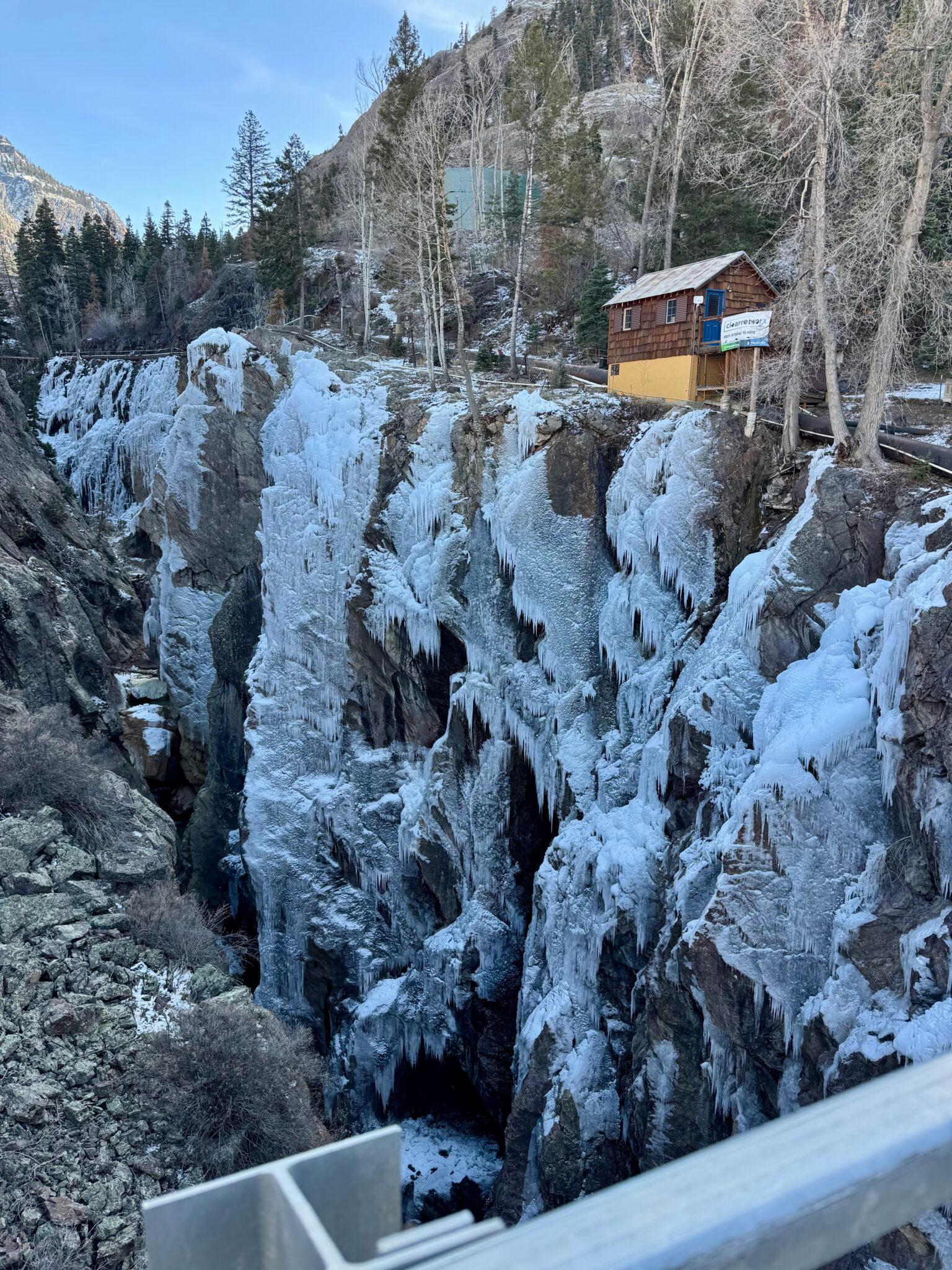
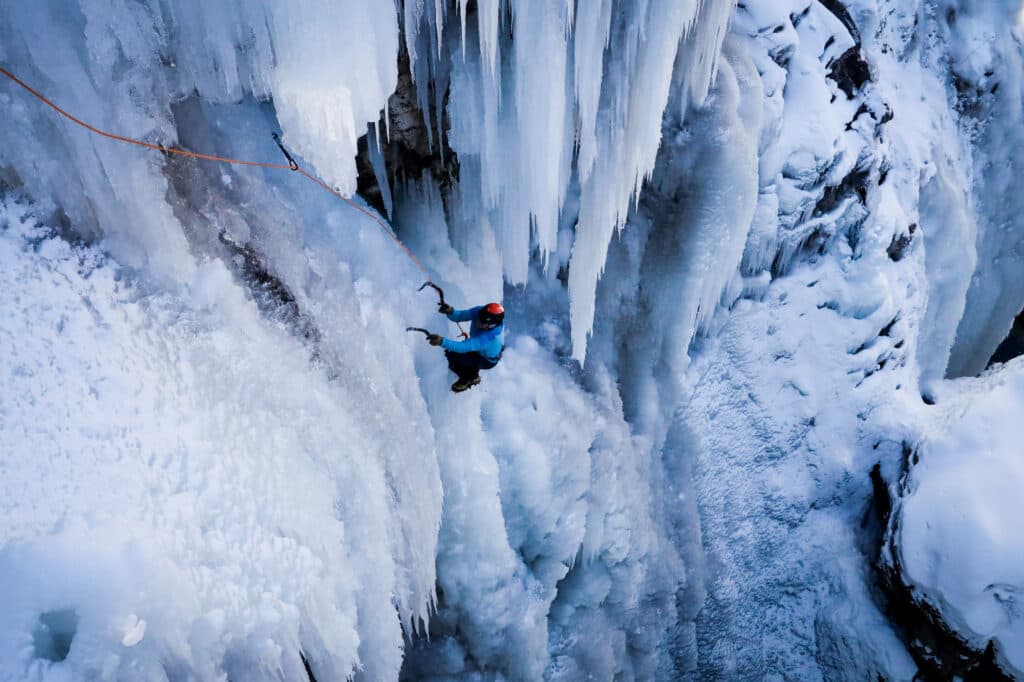
The Ouray Ice Park should be a frozen playground by this time in January — with ice chandeliers and frozen waterfalls more than 100 feet high beckoning ice climbers from around the world.
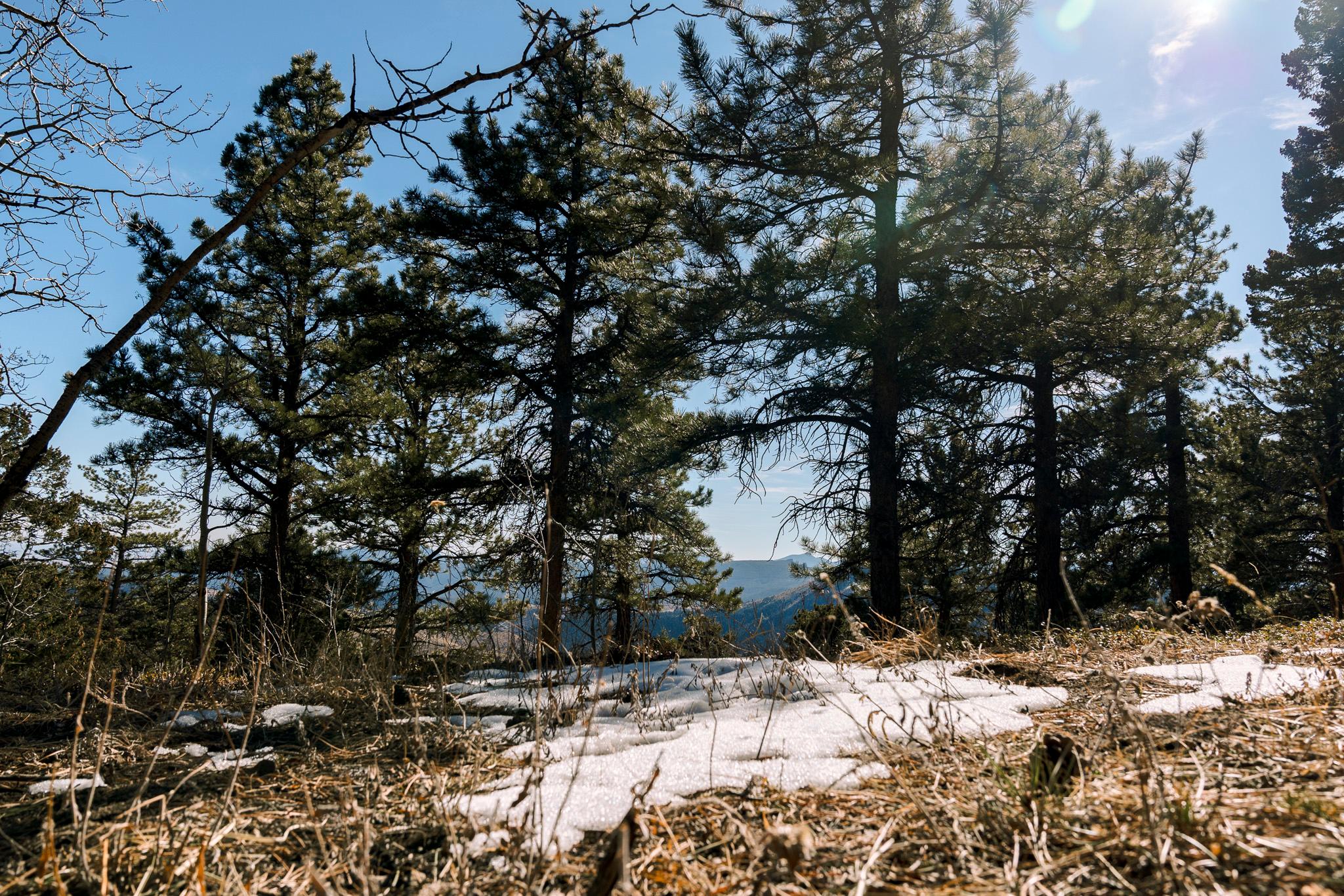
Instead, much of its ice has melted away or plummeted to the ground due to warm temperatures.
“There's more rock than there is ice,” said Peter O’Neil, executive director of the park in southwestern Colorado.
While the ice park would usually be humming by now, with thousands of visitors a month, it hasn’t even opened yet. The All In Ice Fest, focused on making ice climbing more accessible to historically marginalized groups, will still take place this weekend — but without ice.
It’s been “incredibly warm,” O’Neil said. Now celebrating its 31st year, the ice park has never waited this long to open.
And it’s not just the ice park feeling the pain from unseasonably warm winter weather. It’s “everything related to the winter,” he said. Across Colorado’s mountains, “We’re not getting snow and we're not getting cold temperatures.”
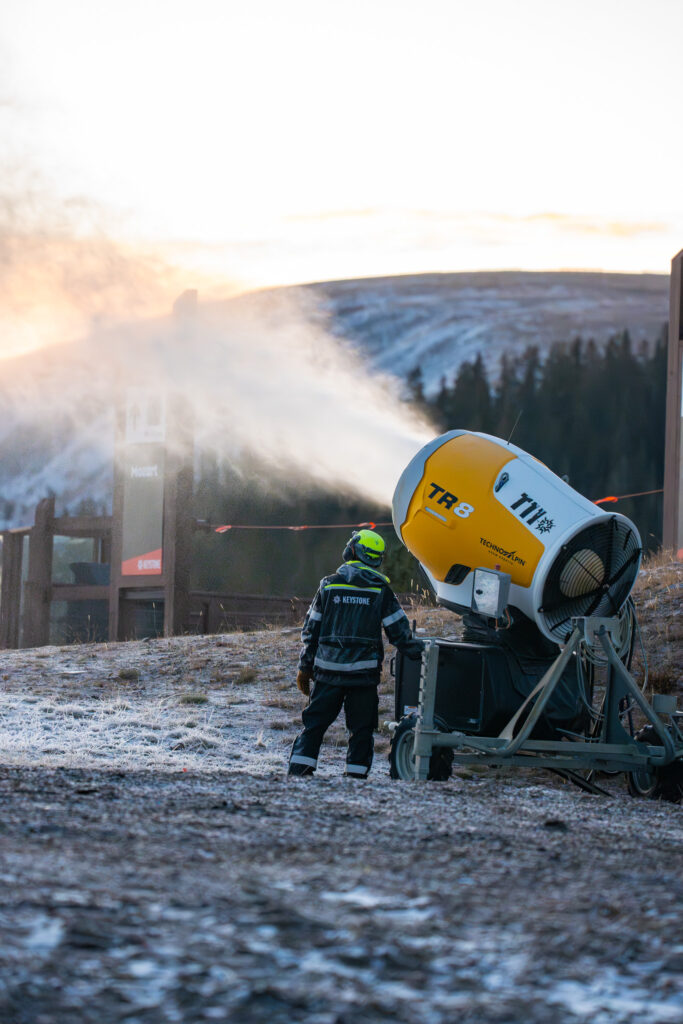
Snowfall at most ski areas is well below normal, and it’s been too warm for many resorts to make snow consistently. Some of the state’s smallest ski areas haven’t opened at all, including Kendall Mountain in Silverton and the little ski hills in Ouray and Lake City.
Several ski areas have opened behind schedule. Beaver Creek Resort, one of the largest in the state, missed the prized Thanksgiving holiday opening. Most ski areas still have limited terrain, including Winter Park Resort, where only about a fifth of trails are open — including a single advanced run.
Snowpack is low across the western U.S., with the worst conditions in Utah and Colorado. It was the warmest November on record for the Upper Colorado, Rio Grande, and Great Basin watersheds, and many areas are in a “snow drought,” according to the National Integrated Drought Information System.
The website OnTheSnow, which tracks snowfall at ski areas, shows only a few of the region’s resorts have opened all of their terrain. In California, snowpack levels are about half of normal, while ski resorts around Oregon's Mount Hood are seeing their lowest snowpack since the state started keeping records. Earlier in the season, skiers in Utah shared images of rocky, muddy slopes.
It’s part of a weather pattern that has brought record-breaking high temperatures to the Western U.S.
Some relief now, future uncertain
OnTheSnow predicts much of the West will see snowfall over the next 10 days, with moderate snow in the Rockies and heavy snow for parts of Oregon in Washington. Notably, California’s Mammoth Mountain recently saw more than 100 inches of powder over just a few days.
Colorado’s mountains have received snow this week, as well, with more expected to come, said Allie Mazurek, climatologist with the Colorado Climate Center. However, “I don't think it will be enough to put a meaningful dent in those deficits that we've been seeing,” she said.
Preliminary data from the center shows Colorado just experienced its warmest December ever.
The state’s snowpack is well below normal, which could have ripple effects into spring, “since that's really our number one driver of our water supply,” Mazurek said. A low-water year could deplete the Colorado River, impacting crops and exacerbating the upcoming fire season.
For now, the lack of snow is forcing many ski resorts to work creatively with the scarce white stuff they do have, especially at resorts with little or no snowmaking capabilities.
A season like no other
At Wolf Creek Ski Area, in a remote corner of southwestern Colorado, employees have been gathering snow in trash cans from the forest and depositing it on the slopes. The resort has used about 40,000 barrels of snow so far this season.
Ski operators deal with an “awful lot” of expectations, said owner Randall Davey Pitcher.
“It's a very, very distressing thing. On the other hand, we've learned to treat every snowflake with respect,” he said.
The resort has received around 70 inches of snow, much more than at many ski areas, but far less than it would need to hit its average of about 430 inches in a season. Still, Wolf Creek has managed to open 100 percent of its runs — something almost no other ski area in the state has.
Pitcher stressed that there is no gloating about that, and the more snow there is across the state, the better it is for everyone.
“When other ski areas get snow or we see a storm come in, we're rooting for 'em,” he said.
That includes Arapahoe Basin, which finally got a healthy dumping of powder this week, with 9 inches in a single storm. While only a tiny percentage of A-Basin’s runs are open, resort officials hope there will be more by this weekend.
For Mike Nathan, the resort’s sustainability manager, the silver lining to the temperate weather is “just seeing how stoked people are when we finally have snow.”
That joy is even bigger for the select few guests who get to help the resort manage its powder haul. After a storm sweeps through, ski patrol will spontaneously recruit skiers and boarders to take the first runs down the slopes to tamp down the powder and keep it from blowing away.
Moments like that help keep the fun alive during a season that has so far been uncertain. With less snow, resort visitations have been down across the state. But Nathan explained there is still something fun about that kind of quieter mountain experience.
“It's just about enjoying every little turn,” he said.
Like most folks in Colorado’s winter recreation industry, he lives in hope that the weather will turn around.
At the Ouray Ice Park, Peter O’Neil said that his so-called ice farmers are waiting “with bated breath” for the cold to return, so they can create giant, plunging ice sculptures, using the 200 showerheads sprinkled throughout the park.
The ice farmers have their eyes constantly on their weather apps, he said, “and if the temperature drops at midnight, they're going to be in the ice park with headlamps on turning on the water” as they try to salvage an ice-climbing season like they’ve never seen.
Ouray is forecast to have a low temperature of 13 degrees on Thursday night. O’Neil is just hoping that holds.