This is part of an occasional series looking at aspects of Colorado’s faltering economy.
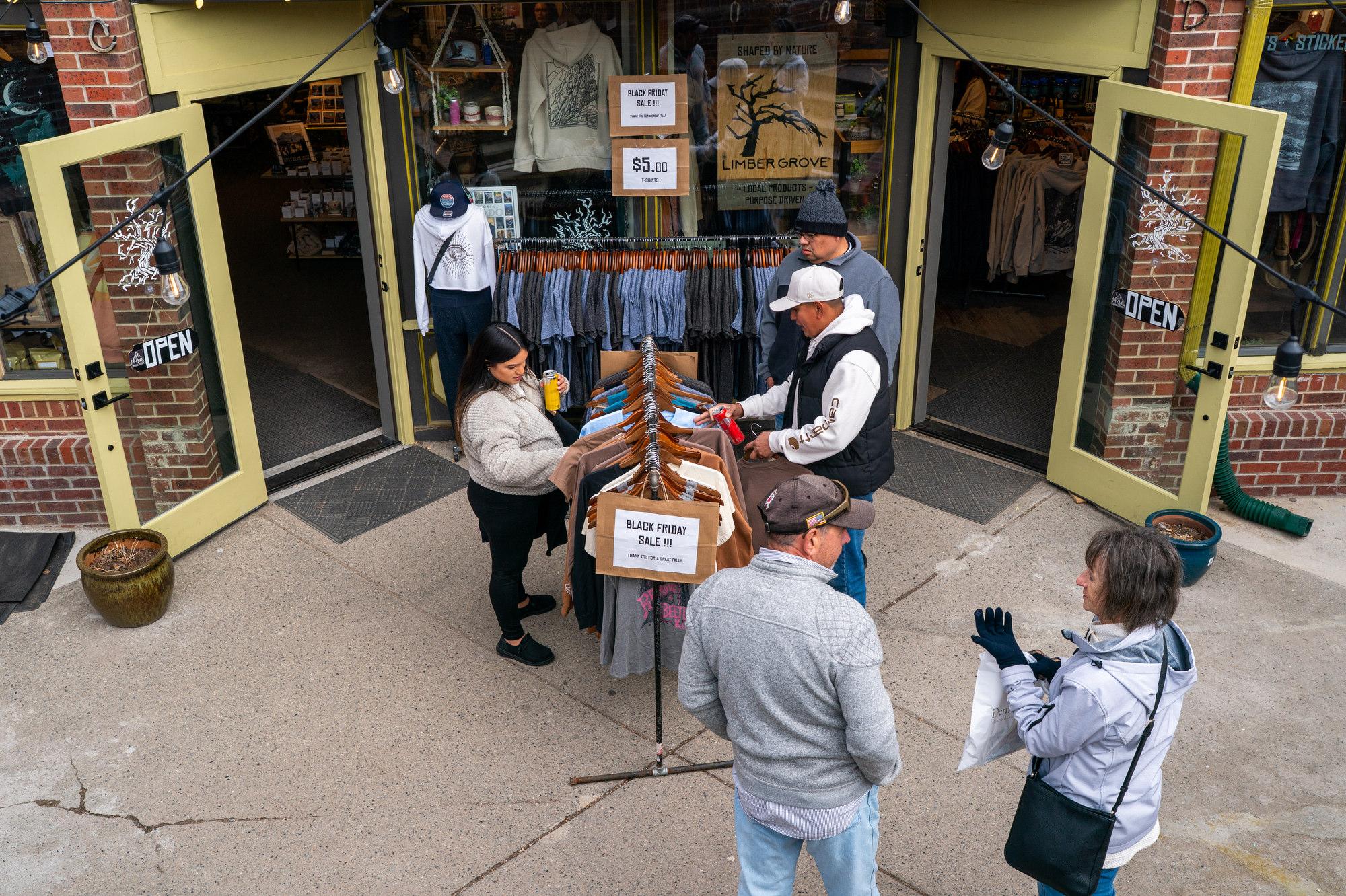
Colorado’s mountain towns, once overcrowded with out-of-towners fleeing their homes in the pandemic, are now planning for fewer people, fewer booked hotels and less spending. Most are expecting a relatively lean year when it comes to tourism dollars, leaving officials thinking twice about paying for expensive projects.
Visitation to the state’s resort communities is trending downward following a pandemic-era surge of interest in outdoor recreation that generated double-digit revenue growth across the high country. That interest has since waned, and with it, those double-digit gains.
Tourism in Colorado hasn’t collapsed. There’s still plenty of people traveling to the mountains. But it’s down from the peak during the pandemic and losing ground to other vacation options. Travel spending in the state rose 0.3 percent in 2024, relative to 4.2 percent nationally, according to the most recent available data from Dean Runyan Associates and Longwood International Travel USA.
On top of that decline, there has been several years of stubborn inflation, alongside concerns that the economy is buckling under the weight of erratic trade policy, political dysfunction and an iffy job market. It’s all taking a toll on spending.
“They say we're not in a recession, which I understand, but people are tightening their belts even if it isn't officially a recession,” said Shannon Haynes, the town manager in Breckenridge. “Where they're spending their extra money is not necessarily on travel to places like Breck.”
Conservative planning
Breckenridge town leaders planned the budget for 2026 with that in mind, Haynes said. Sales tax revenues, which are driven by visitors in places like Breckenridge, are projected to decline 3 percent from last year’s forecast, she said, and last year’s forecast was already pretty conservative.
“We thought that we were heading into potentially a recession or just maybe ... we’ve hit our peak. We don’t know. And I still can’t say that I know,” she said.
Tourism is the lifeblood of many of Colorado’s mountain communities. Money from out-of-towners helps pay for everything from fixing roads and building affordable housing to planning holiday parades and maintaining parks. When people stop shelling out on travel, the local budget planners have to ratchet back on spending too.
Breckenridge decided to pause the second phase of a workforce housing development due to budget constraints. The town is partnering with a developer on a $150 million project that will add roughly 140 units on 21 acres. The town’s portion of the cost is $50 million, according to Haynes.
“It’s a big ticket item. And so we opted to plan for the first phase only, so that’s about $34 million," Haynes said.
Finding a good balance
About 35 miles west, the 2026 budget for Vail assumes a 2 percent decrease in total revenues from last year’s forecast. That equates to a 6.8 percent decline from 2024.
“After COVID, for a couple of years … we were getting nearly overrun. We were talking about ‘What is the right balance that we should think about?’” said Vail town manager Russell Forrest.
Vail built up significant reserves during the boom times and put much of the money to use on building housing and renovating Dobson Ice Arena, according to Forrest.
This year’s budget doesn’t include any new large capital investments, Forrest said.
“We’re now, for the next several years, from a cashflow standpoint, being conservative … We still have maintenance projects that are moving forward, but we want to get to the other side of these $410 million worth of new projects,” Forrest said.
Sad snowpack
The lack of snow so far this winter isn’t helping anybody pad their ski town budget. The booking pace for hotels and Airbnbs in Colorado is down roughly 25 percent from last year, according to the most recent update from data provider DestiMetrics, which tracks lodging properties in resort towns across the U.S.
Unpredictable weather conditions have always been a headache for ski resorts and the businesses that are built around them. Poor skiing conditions can make matters worse if people are already feeling downbeat about the economy.
In Vail, the town is putting more emphasis on warm weather activities to mitigate that risk, Forrest said.
“We continue to see opportunities for growing in the summer, in the shoulder seasons. But because of that winter element and the industry itself not growing in terms of total ski numbers, we're just conservative … I think we're all looking at the data and wondering ‘How does that play out over time?’” Forrest said.
Hypergrowth, now a steady decline
In Buena Vista, visitors are more likely in town to go whitewater rafting on the Arkansas River than they are to go skiing. The town is seeing the same steady decline in sales tax revenues as Colorado’s other vacation destinations following a period of “hypergrowth,” according to town treasurer Phillip Puckett.
The town is budgeting for 1 percent in sales tax growth this year, Puckett said.
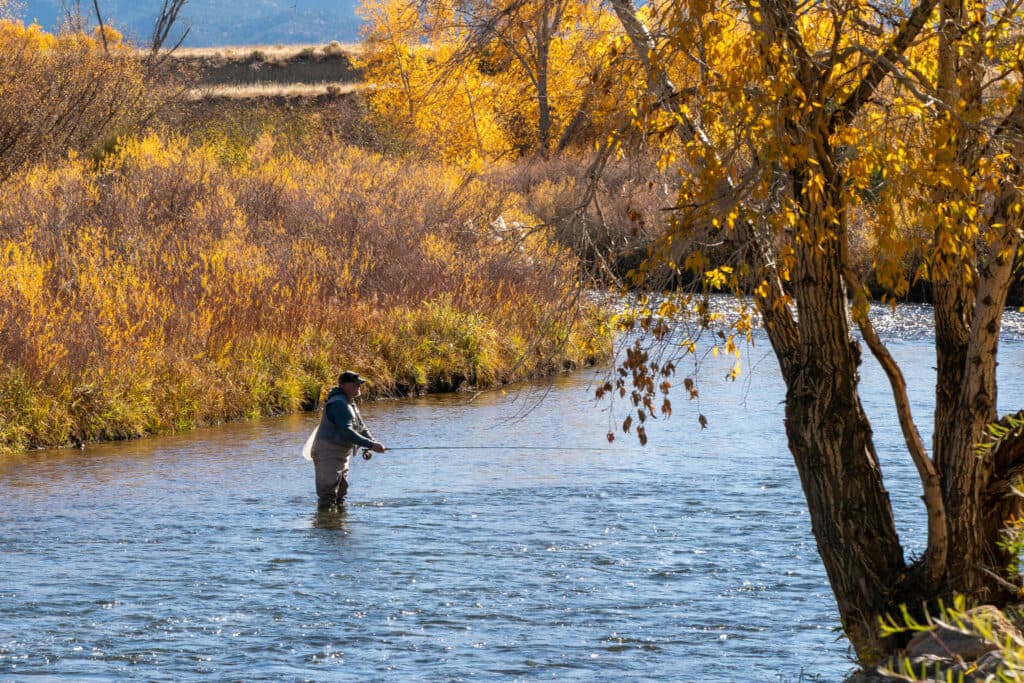
“Given that expenses are certainly growing at a larger percentage year-on-year than 1 percent, that forced us to be pretty diligent and choosing and picking our top priorities and sticking to our core services for the town, public safety, streets, water, those types of things,” he said.
Buena Vista trustees considered multiple ways to cut expenses during recent budget discussions. Ultimately, they decided to pull funding to the Chaffee County Economic Development Corporation, a nonprofit group that works on varied economic initiatives across the county, according to Puckett.
Tourist dollars weren’t the only thing propping up Buena Vista’s sales tax revenues in recent years. A construction boom lifted sales at local hardware and home improvement stores, Puckett said. Now, that activity is over at the same time as visitors are pulling back, he said.
“We’re not really seeing a drastic decrease … of visitors in our area. I think people are being a little more selective in what they’re doing… People might be coming and still spending time here, still staying here… but instead of eating out as much, they’re probably enjoying the free parts of this area, the public lands, the river, things like that,” he said.
Discomfort with spending
Overall, finances for Colorado’s tourism hot spots are still in decent shape. It’s just getting more difficult to strike the right balance when it comes to spending, according to Ian Billick, the mayor of Crested Butte. His town is still logging reasonably strong growth in spending, he said, buffered somewhat by a reservoir of wealthy residents.
“We’re still in sort of a strong position,” Billick said. “I think there’s some discomfort with town spending because it’s based upon really strong historic highs.”
Despite the unique idiosyncrasies that dictate budgets in different resort areas, most agree that the economic footing feels shaky.
“The economic crystal ball is very murky,” said Vail’s Forrest. “You can see signs of inflation and you can see indicators of recession. So knowing which way the economy is going to go is very, very hard to forecast, which means we have to be nimble.”
In Breckenridge, sentiment is shifting back toward attracting visitors after a period of focusing on preserving local amenities.
“Before COVID, we had a lot of people who live here saying ‘There's too many people, there's too many events, it's too much.’ And then COVID hit and they were like, ‘Oh my goodness, there's too many people,’” Haynes said. “Now what we hear from people is ‘We need more people here and we need more events.’ The pendulum swings quickly.”

Colorado’s economy is flashing warning signs. Job growth has slowed to a trickle. Layoffs are inching up. The housing market is in a slump. Both the state and its biggest population center are struggling to plug massive budget holes. On top of all that, the longest government shutdown in history was weighing on the economy.
The big question, though, is whether all the bleak data points to something more serious: recession. And the answer is complicated.
Colorado Public Radio takes a look at what those warning signs might mean through the new series Silent Recession. Read more stories in the series here.