
Stephanie Maltarich of Boulder caught a bad case of the flu at Christmas. It was just as Colorado’s cases surged, driving a record high number of hospitalizations, which she avoided.
The illness caused Maltarich a rough cough that lasted days. She went to urgent care once and the emergency room three times.
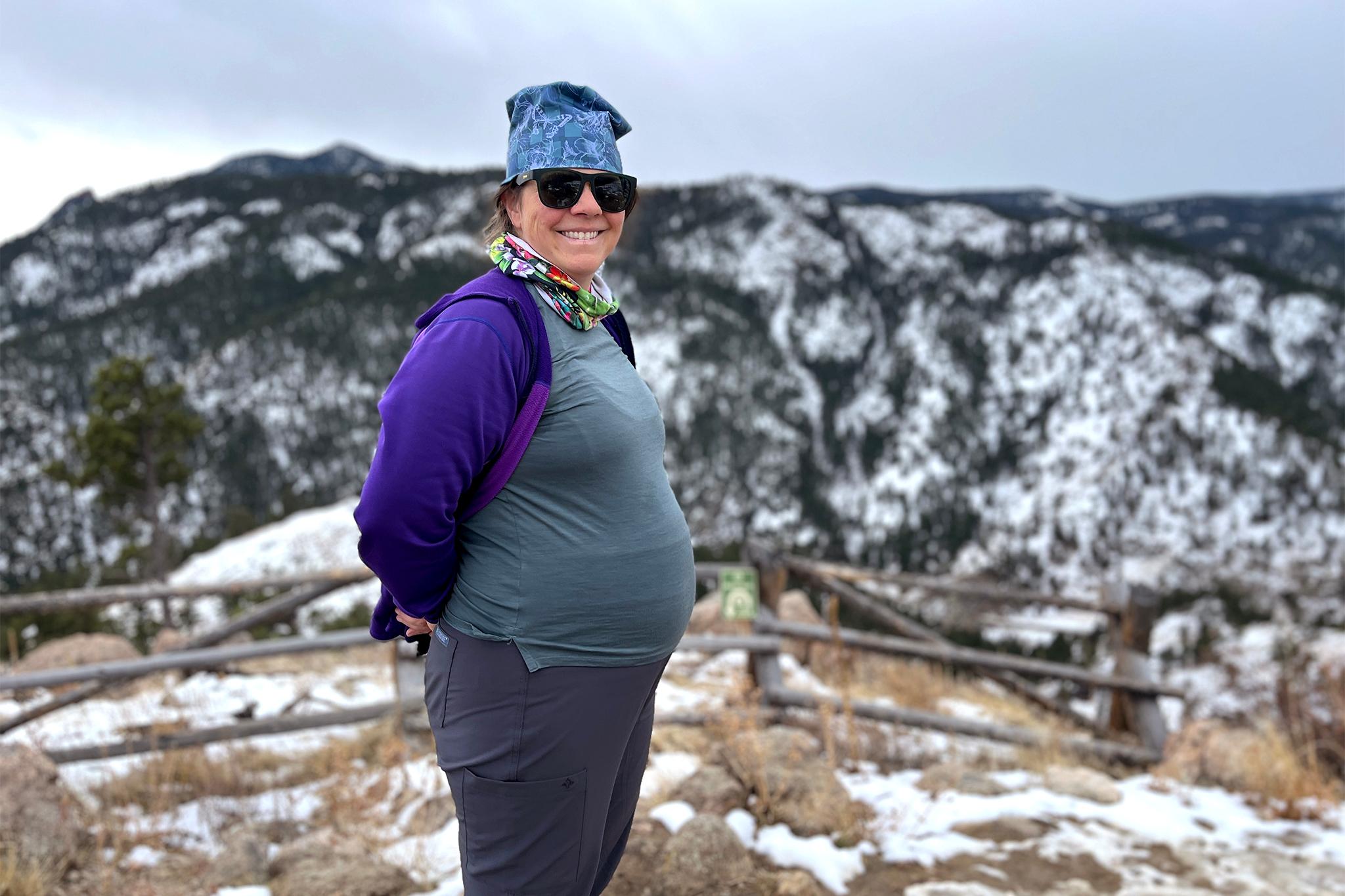
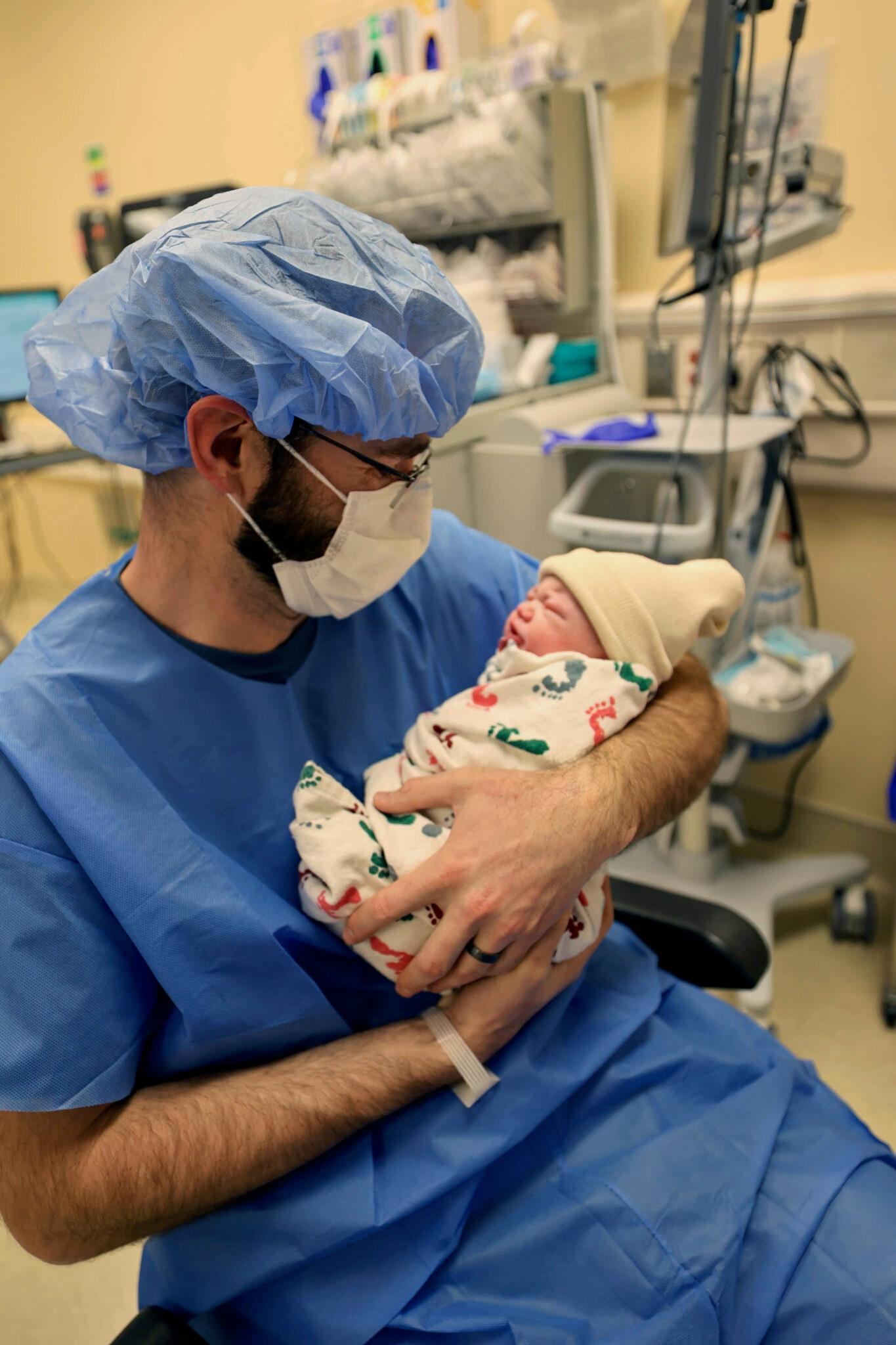
Complicating things — she was in the late stages of pregnancy. Despite the unexpected illness, she delivered a healthy baby girl named Kellyn last Saturday.
“I was very stressed about kind of going into labor because I still wasn't feeling great and I was, like, ‘this is going to be hard,’” Maltarich said. “But yeah, our first kid and she's doing great. She's doing better than me.”
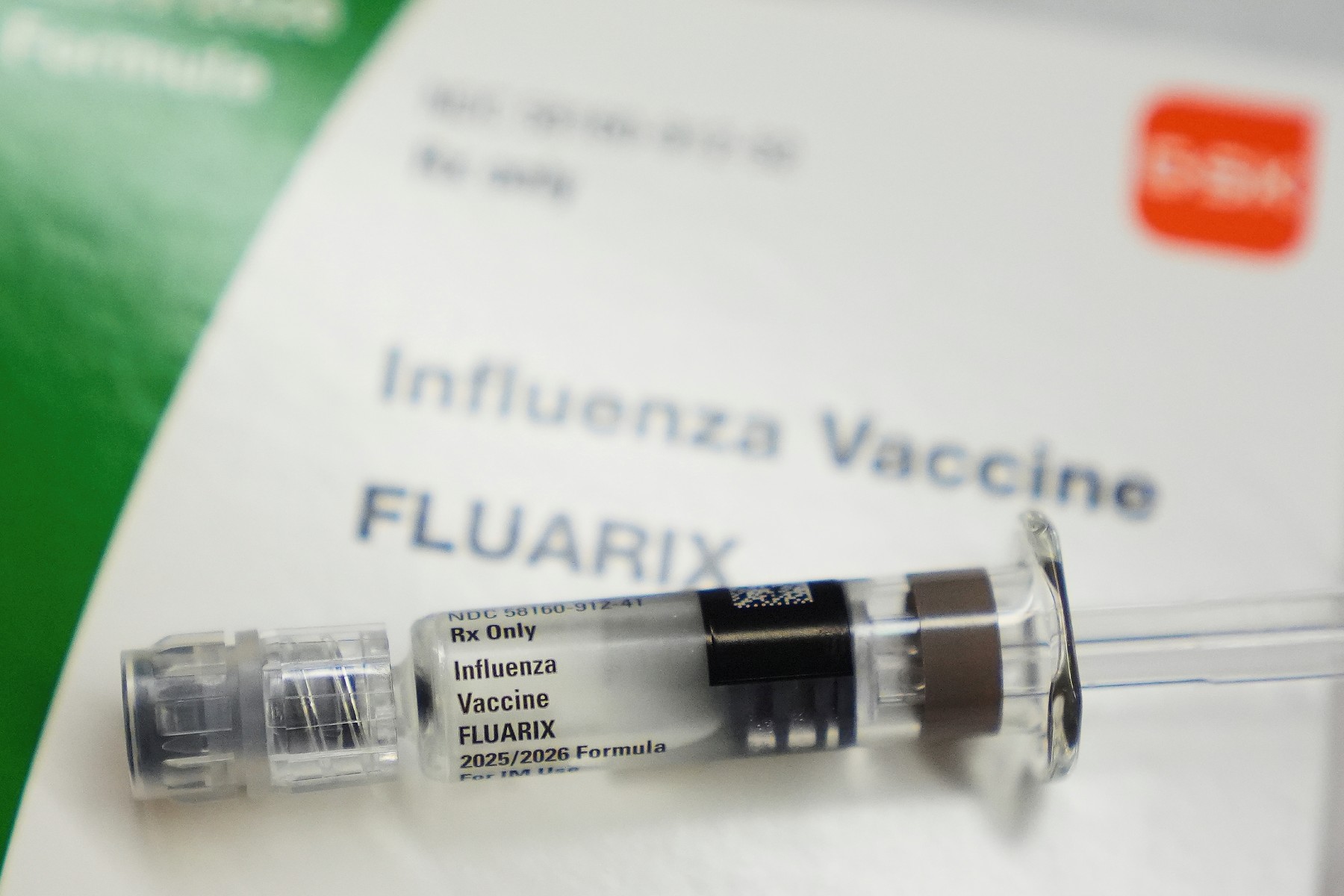
Maltarich did get a flu shot this year, which doctors say research shows helps prevent an illness from getting bad enough to require hospitalization.
She was playing darts with friends the day after Christmas and was coughing. Her friends noticed.
“They were like, ‘Are you OK?’ And I was like, ‘Oh, I'm fine because one of my pregnancy symptoms was just being super congested the whole time,” she said. “I was like, ‘I think it's just that.’”
When she woke up the next day, she had trouble breathing, which she thought might be due to her asthma. One test came back negative for flu; a second one, later, came back positive.
During her ER visits, hospital staff gave her fluids, Tamiflu and a nebulizer.
The worst symptom: the cough.
“I had the whole week off of work and I was in bed the entire week just coughing so much,” she said. “The cough just would not stop.”
One night, it caught her husband, Peter Horgan, by surprise. “My husband was like, ‘I've never seen someone have such a violent cough in my life,’” she said.
Colorado flu hospitalizations ease
Maltarich got sick in the midst of a record wave of flu illness in Colorado, as cases also surged nationally.
But now the numbers, in Colorado at least, have come down the last two weeks. Still, flu cases remain high in the state. About 400 people were currently hospitalized on Wednesday, a drop of 440 from the peak at the end of December, according to the state health department.
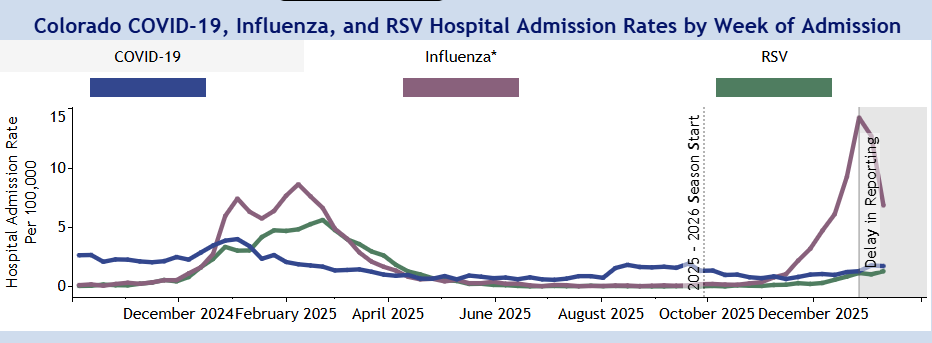
Source: Colorado Department of Public Health and Environment
The rate of tests coming back positive, the weekly sentinel positivity rate, has dropped below 20 percent after hitting 33 percent a couple of weeks ago. A lot of people, about 4 percent, are testing positive for flu when visiting a hospital emergency department. Flu is being widely detected in wastewater, in almost all of the utilities testing for it.
The week of Dec. 27, 2025, the week Maltarich got sick, a whopping 846 people were hospitalized in the state with flu. That was almost 300 more than a week earlier, nearly 500 more than two weeks earlier and about 14 times the number the state recorded in mid-November.
Colorado’s peak flu hospitalization level was also more than 250, more than the prior record, from a decade earlier.
Pregnant women are at a higher risk for complication from the flu
Dr. Michelle Barron, senior medical director of infection prevention and control for UCHealth, said many people don’t think about it, but pregnant women are definitely at higher risk for complications from flu.
“Certainly it could potentially impact the pregnancy just because the severity of illness can actually be pretty extreme,” she said.
Why? “It's because tolerance of the pregnancy lowers your immune system to a degree. Like you have to have that balance so that the baby can actually grow and then be eventually delivered, but it puts them at a higher risk for flu and COVID and RSV, all the things,” Barron said.
“There's a lot of good data that suggests the vaccines for all these infections are very safe and make a huge difference in terms of outcomes,” she said. “If somebody's in that category, it’s worth talking with your provider about making sure that you're up to date on those vaccines.”
Getting vaccinated for flu, as Maltarich did, can result in a milder case, one that keeps you out of the hospital.
“That's been proven over and over, and certainly in high-risk individuals, that's the goal,” Barron said. “Not being in the hospital is still a really good outcome.”
Maltarich, who works as a science writer, said that makes sense to her.
“I'm always glad I got (a flu shot) because I'm, like, ‘What if it would've been worse?’”