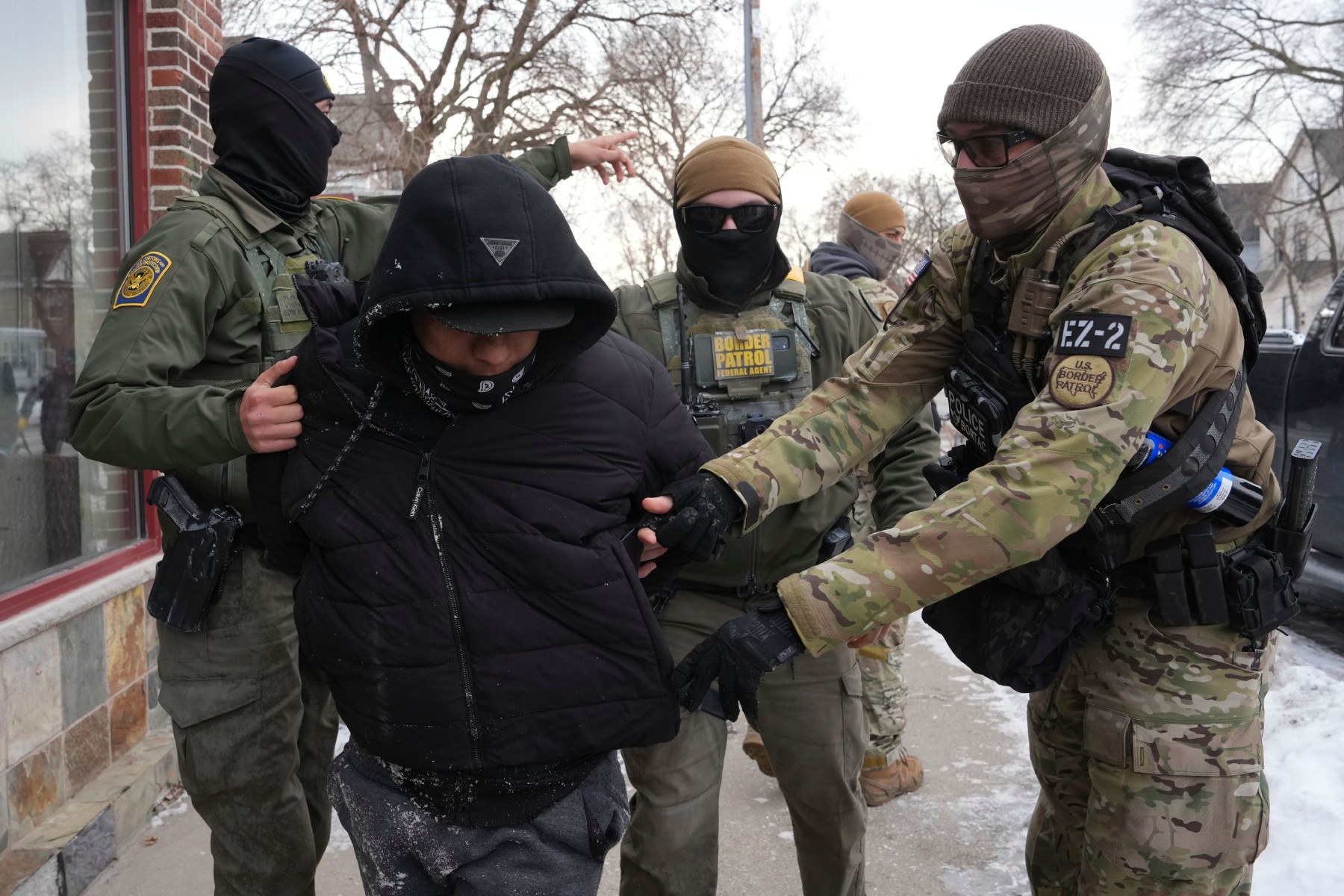
Tensions in U.S. cities, including in metro Denver, are steadily rising as President Donald Trump boosts immigration enforcement, sending agents across the country into neighborhoods and homes.
The strain has erupted in violence.
Last week, Renee Nicole Good, a 37-year-old U.S. citizen, was killed by a U.S. Immigration and Customs Enforcement agent who shot into her vehicle during an encounter in Minneapolis. Homeland Security Secretary Kristi Noem said the agent was defending himself and other officers, while leaders in the city and the state disagreed.
Immigrant rights advocates in Colorado say ICE’s excessive force is documented locally.
“Just in Colorado, we've seen ICE agents pepper-spray protestors in the face. We've seen ICE drag elderly women on the ground,” said Judith Marquez, a volunteer for the Colorado Rapid Response Network and a campaign manager for the Colorado Immigrants Rights Coalition. “We don't want to wait for another Renee Nicole Good to be murdered.”
ICE arrests have more than quadrupled since Trump took office, while average daily detention has doubled, according to the Migration Policy Institute. In Colorado, arrest rates quadrupled compared with the same period last year.
Regardless of immigration status, people in the U.S. have rights. So what do you do if you encounter an ICE agent in a tense situation?
ICE did not respond to our request for comment at the time of publication, but here’s what immigrant rights activists say.
Know your rights
The coalition encourages people to familiarize themselves with their legal rights during encounters with ICE. Things like seeing a warrant, and invoking your right to a lawyer, as well as the right to remain silent and the right to record interactions — despite what agents might say — are all emphasized during the group’s “Know Your Rights” trainings.
“Magic words to remember, like, ‘I do not consent to a search. I'm going to remain silent. I want to speak to a lawyer. Am I free to leave? Have I done something wrong?’” said Nayda Benitez, the director of organizing for the Colorado Immigrants Rights Coalition.
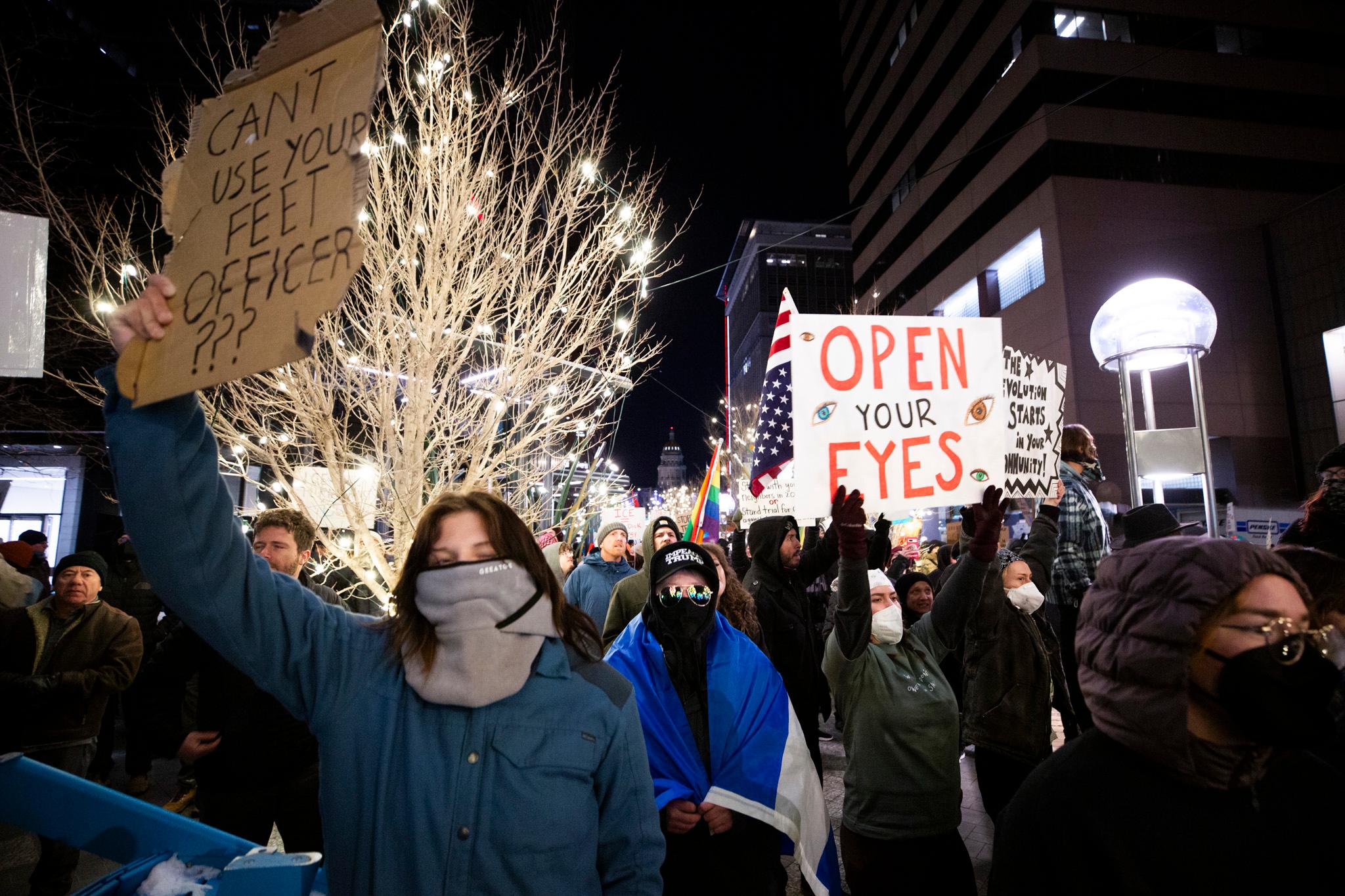
Protesting from observers during these encounters is well within people’s rights, said Tim Macdonald, the legal director for the ACLU of Colorado.
“People are a hundred percent within their rights to express their views peacefully without obstructing law enforcement. That is a right guaranteed by the First Amendment to our Constitution,” he said. “That includes filming officers and speaking to them and sharing their speech, letting the officers know what they think of what the officers are doing.”
He said observers and protesters need to be cautious about what could be construed as obstructing. He also advised against being in that close of proximity for safety reasons.
“What we've seen, however, is more often than not, people are not doing anything that could remotely be called obstruction. And yet agents may claim they're engaging in obstruction,” he said.
Record at a safe distance
The Colorado Immigrants Rights Coalition advises people to record interactions at a safe distance and to pull out their phones before the encounter so it’s not mistaken for a weapon.
Macdonald with the ACLU said those videos keep the record straight.
“Filming law enforcement … is so important because that documents what actually happened,” Macdonald said. “We saw that in spades with the murder of Renee Good in Minnesota.”
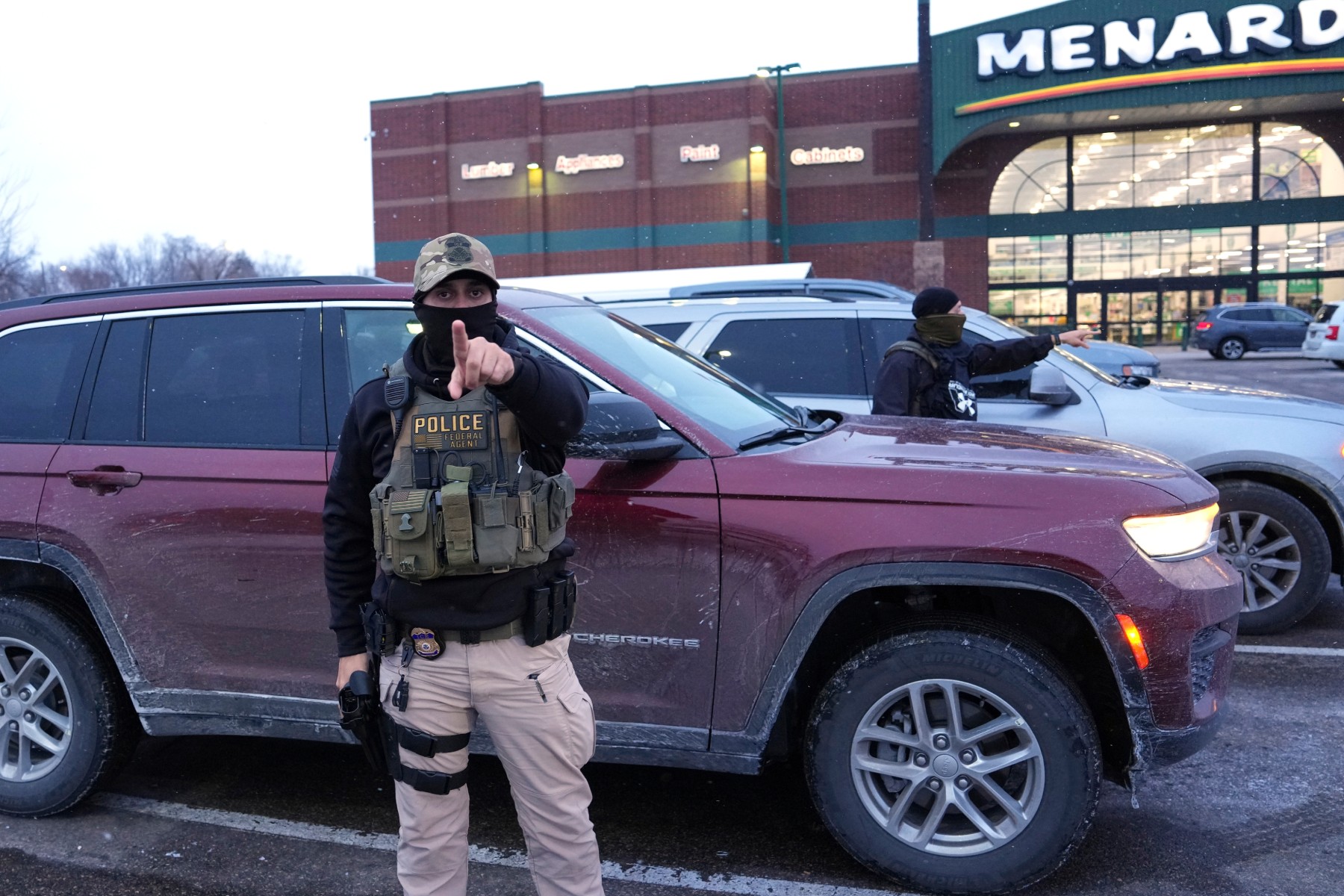
He also added that it may be safer for observers to exit their cars so they can’t be accused of presenting a danger to ICE.
De-escalate
In addition to a hotline for reporting ICE presence, the coalition documents stories of people who’ve been detained. Both Benitez and Marquez said many protesters and detainees have been met with violence.
“All we can do is be calm and de-escalate, but I think that what we already know is that law enforcement, including ICE, can still harm us and use lethal force,” Marquez said. “This should not, and it will not, stop us from exerting our right to peacefully protest and our right to stand up and protect our neighbors.”
If an officer is issuing an order, Macdonald said the ACLU of Colorado recommends people comply for their personal safety. If there are conflicting orders from officers, he said, people should verbally seek clarification on which orders to follow.
Understand the risk
Despite all these precautionary measures, there’s still risk involved, said Whitney Leeds, a former criminal defense attorney who practiced in Colorado and gave guidance to people interacting with ICE during Trump’s first administration.
“There's no advice that anybody could give that's going to be like, ‘Yep, just do this, and you're going to be safe.’ The safest that we can be in light of that is knowing what our rights are, calmly asserting those rights, not giving an inch,” Leeds said.
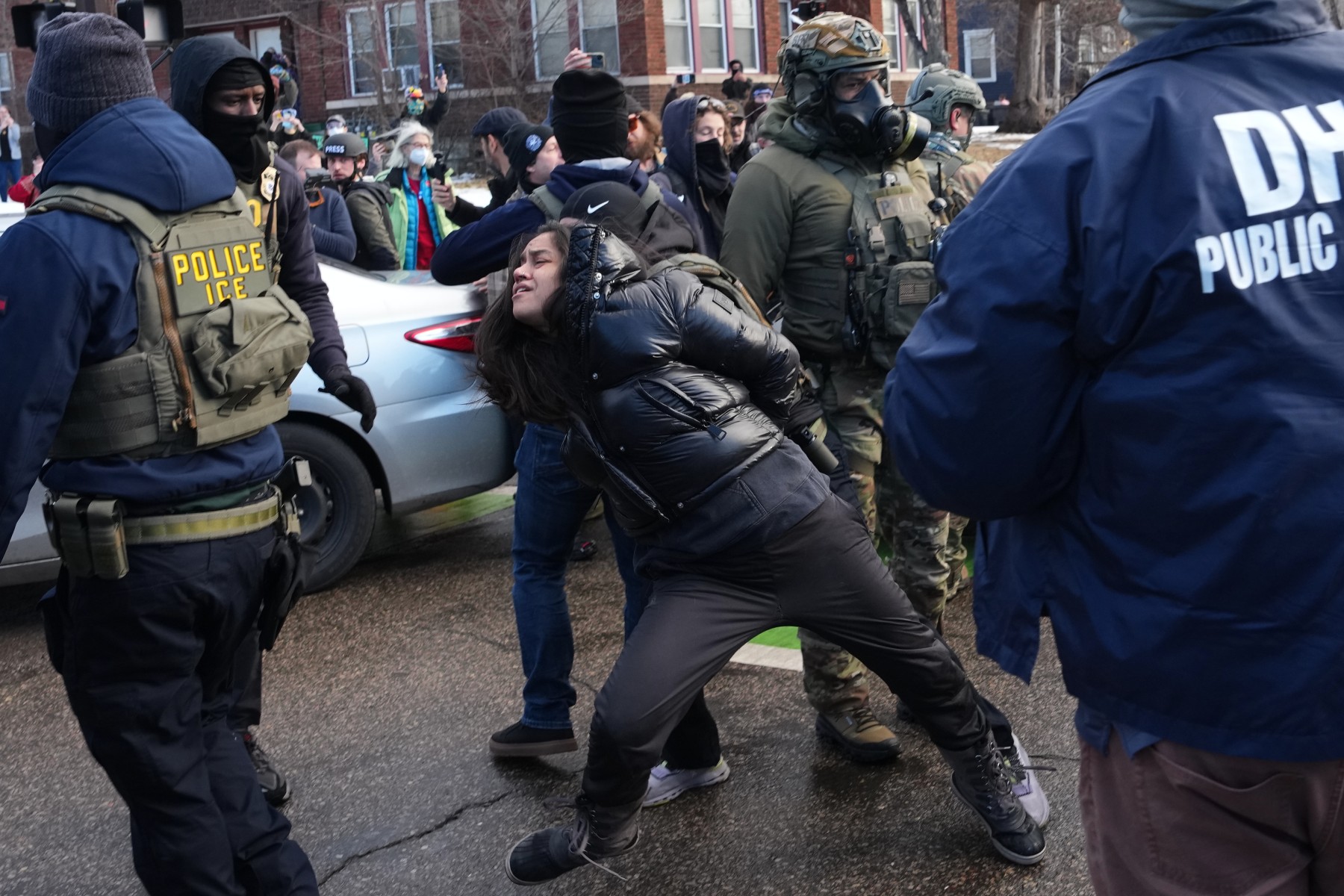
Leeds said this time around, the administration is targeting people of color more. The ACLU in Minnesota has filed a lawsuit against the federal government for racially profiling Minnesotans.
“There used to be a general understanding of, OK, ICE agents, when they go out, they're going to have a specific person that they're looking for. They might have a mugshot of that person. If they had ever had any interaction with authorities previously, they'll have their name, they might have their date of birth,” Leeds said. “At this point, this strategy is less tied to specific persons of interest and is much more tied to ‘Well, just go and find somebody.’”
Those people, and observers attempting to occupy agents’ time, are facing risks unlike those she’s seen before.
“I think the questions around the use of force that we're seeing with the recent shootings of community members by ICE agents and this overuse and abuse of force, those are, I think, pretty candidly illegal and no amount of knowing your rights is necessarily going to be able to address that larger challenge.”