Colorado’s wolf reintroduction effort is officially on pause.
Colorado Parks and Wildlife confirmed it won’t release any more gray wolves in the next few months. After failing to find any other state or tribal nation willing to provide wolves, the agency will continue to explore options to release wolves in the upcoming winter of 2026-2027, according to a press release published on Jan. 21.
The announcement raises further doubts about the future of Colorado’s controversial and groundbreaking restoration effort. Ranchers and sportsmen have long opposed the project, claiming it was greenlit by urban voters far removed from the consequences. The Trump administration is also reviewing whether to revoke an agreement allowing the state to manage the iconic carnivores, potentially blocking any future state-led restoration efforts.
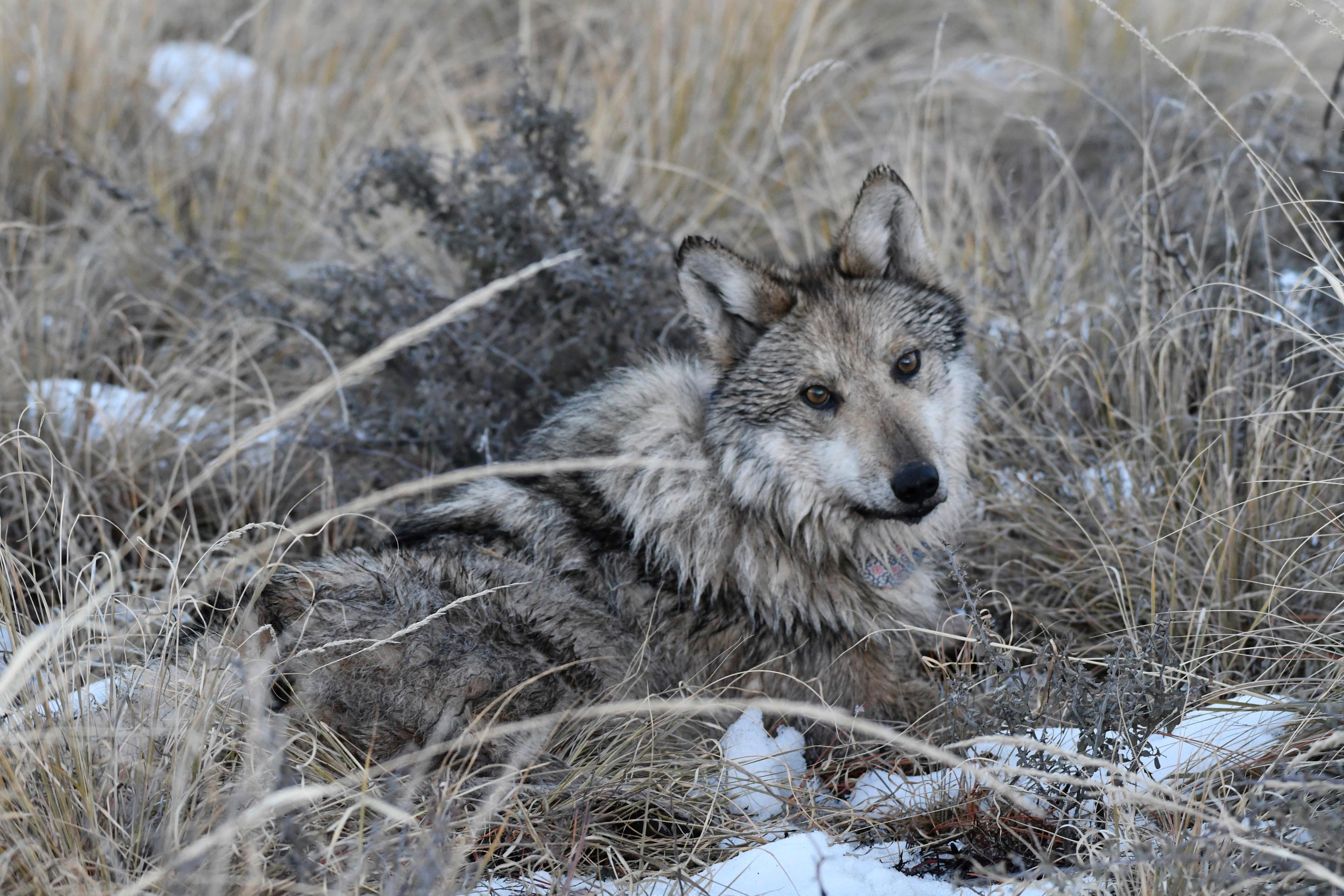
Voters ordered the project by narrowly passing a ballot initiative in 2020. Since then, the state has released 25 wolves over the past two winters, which were captured in Oregon and British Columbia.
Colorado officials had planned for at least one more year of releases to kickstart a self-sustaining population, something that hasn’t existed within the state since hunters and trappers eradicated the species in the early twentieth century.
The state planned to follow through by capturing additional wolves from British Columbia. That agreement, however, was scrapped after the U.S. Fish and Wildlife Service ordered the state to halt any efforts to import wolves from Canada, claiming it would violate the permit that allows the state to manage wolves under the U.S. Endangered Species Act.
In response, Colorado scrambled for a domestic source, but its last-minute wolf shopping came up short.
Republican-led states in the northern Rockies — including Idaho, Montana and Wyoming — have rebuffed Colorado's efforts to obtain wolves for years. Washington state entertained the idea, but its wildlife commission rejected the request due to struggles within its own wolf population. The Confederated Tribes of the Colville Nation in eastern Washington also opted out due to opposition among tribal nations within Colorado.
It’s unclear how a lack of new releases could impact Colorado’s existing wolf population. Earlier reintroduction efforts have seeded four packs across the state. Each produced a new litter of pups last spring, and state wildlife managers plan to reassess the total population over the upcoming summer.
Meanwhile, at least 13 wolves have died due to a range of causes since reintroduction began in 2023. The most recent mortality was a female wolf originally captured in British Columbia, which was found dead in northwest Colorado. The cause of death is currently under investigation by the U.S. Fish and Wildlife Service.
Without additional releases, wildlife advocates have promised to fight harder against any plans to remove wolves with a pattern of preying on livestock. The state appeared to acknowledge the argument in its latest announcement. In the recent press release, Eric Odell, the CPW’s wolf program manager, said it’s unlikely the state can achieve a self-sustaining population without protecting its existing wolves.
“When populations are small, the contribution of each individual is especially significant. It is not possible to predict the impact of foregoing a third year of translocations without knowing what may occur in the coming year,” Odell said.