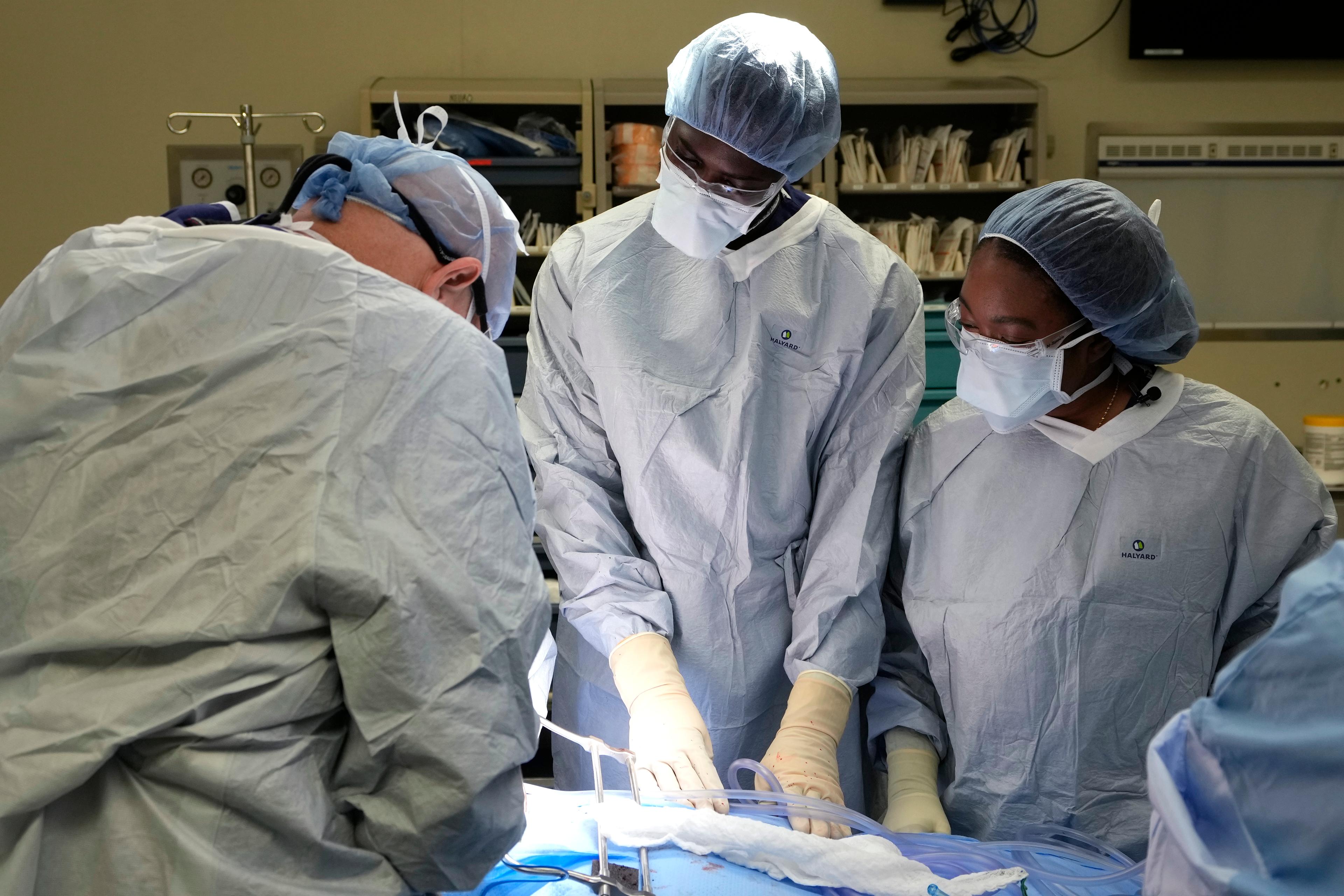
Organ donations and kidney transplants from people who have died dipped nationally last year for the first time in more than a decade.
An analysis issued this month shows the decline followed an increase in public mistrust after a government investigation found a Kentucky group had continued preparations for organ donation on some patients who still showed signs of life.
But, leaders in Colorado say neither those concerns nor the broader loss of donors seen at the national level accurately reflect what’s happening here.
“We are seeing consistent and stable numbers from 2024 to 2025 in terms of transplants here in Colorado for kidneys specifically,” said President and CEO of Donor Alliance Jennifer Prinz. “And, we actually saw a 5.5 percent increase in overall transplants from deceased donors in Colorado,” she said.
While homicide rates have fallen recently, Colorado has not seen a corresponding change in donor deaths tied to violent circumstances. In 2024, 39 organ donors in the state died from alleged homicide or suicide. In 2025, that number rose slightly to 45.
Organ donation experts say those numbers highlight a key reality of the donation system: Only about three in every 1,000 people die under circumstances that allow for organ donation.
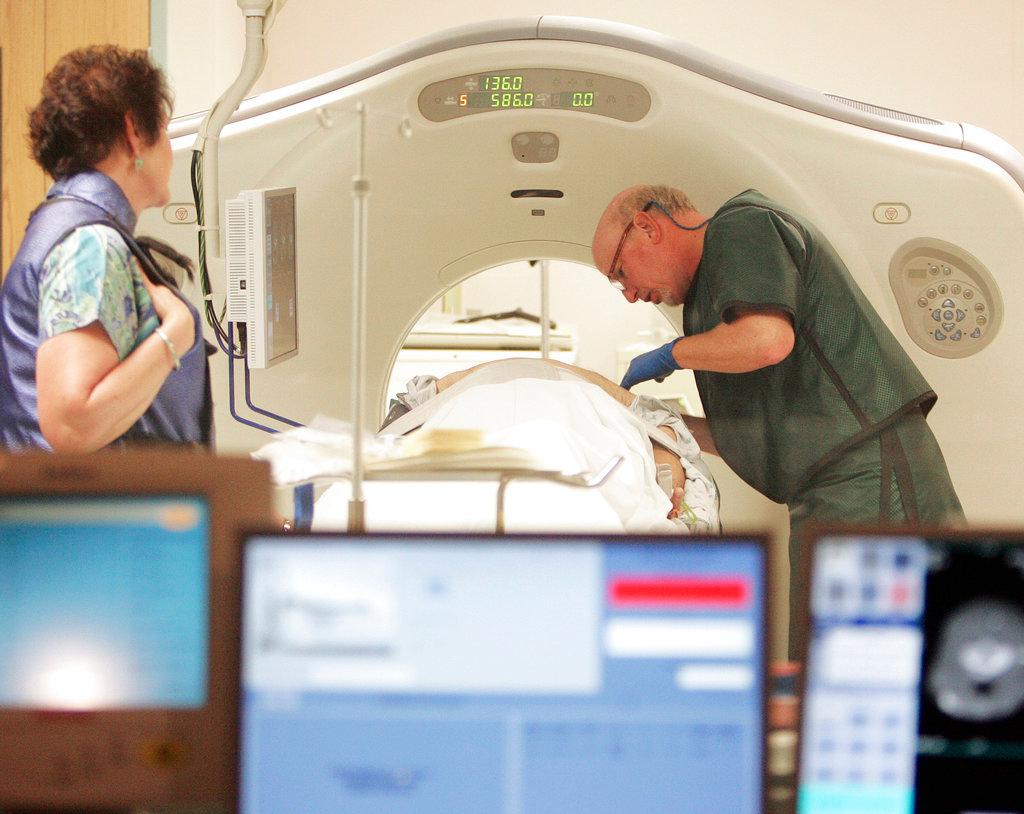
Most donations come from patients who experience brain death while on life support in a hospital.
That means even in states like Colorado — where donor registration rates are high — the number of people who can actually donate organs each year remains limited. The gap between registration and viable donation underscores why continued registration and public trust in the system remain critical.
According to Prinz, more than 1,200 people are currently waiting for an organ transplant in Colorado and Wyoming. Nationally, more than 100,000 people remain on transplant waiting lists.
Prinz stressed that Colorado has safeguards against malpractice like that uncovered in Kentucky.
“Our system here in Colorado is extremely safe,” she said. “Our hospitals are in charge of the patient care and taking very good care of patients here and make appropriate referrals to Donor Alliance. We evaluate whether somebody has potential to be an organ or tissue donor and have those discussions with their family.”
Prinz also spoke personally about her confidence in the system.
“I’m a nurse. I’m a donor family member and a recipient family member, I’m on the donor registry and believe in our system,” she said. “These things don’t happen here in Colorado.”
She added that Colorado continues to be a national leader in organ and tissue donation.
“Colorado has a longstanding history of being supportive of organ and tissue donation and leading the way,” Prinz said. “We are often in the top five in the U.S. in terms of people who sign up on the donor registry and want to help their neighbors.”