The history of the Old West is everywhere on the streets of Denver.
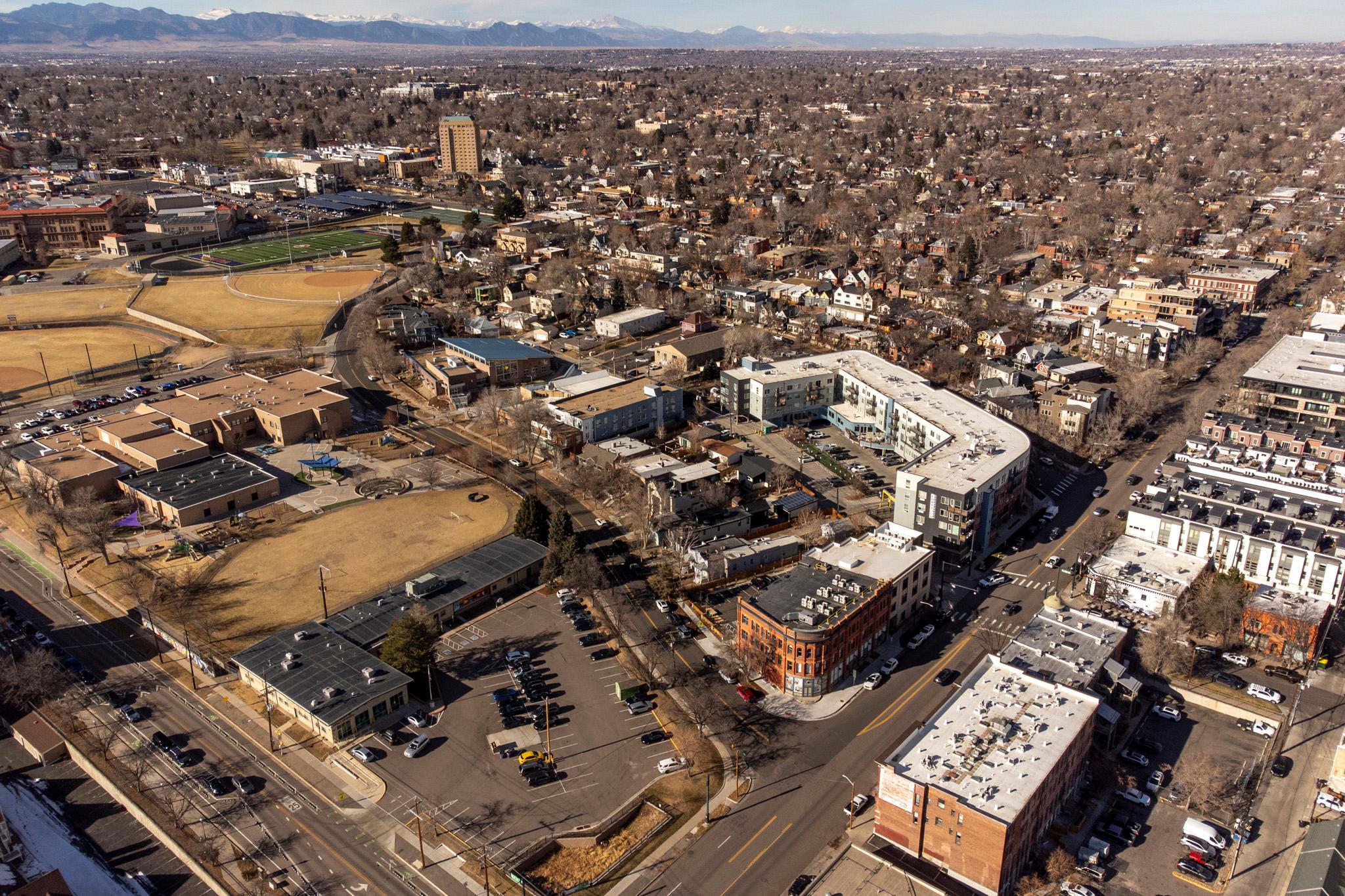
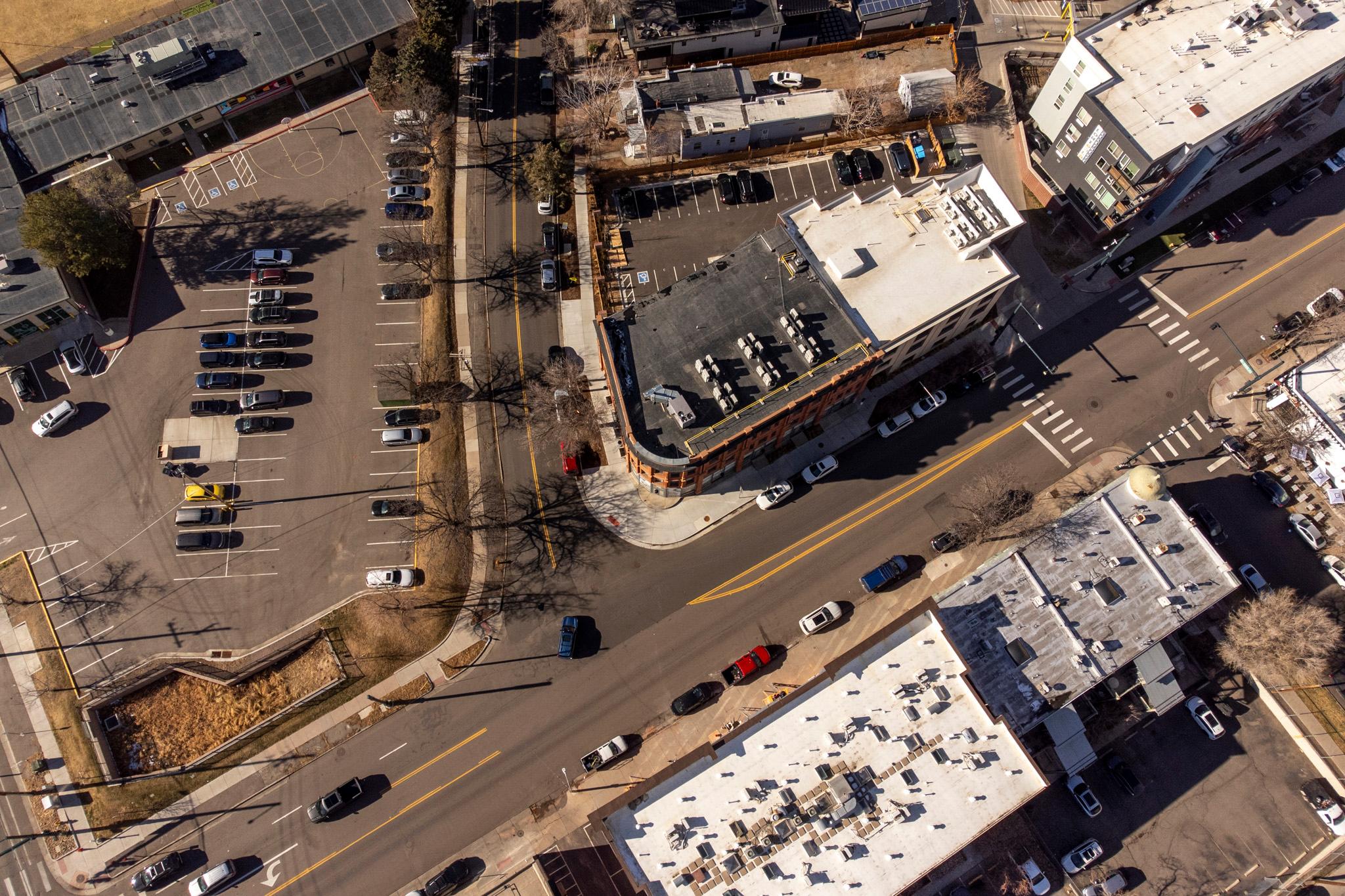
Take the origins of the peculiar street layout of a small section in the city’s Highlands neighborhood. Denver resident Larry Baker asked Colorado Public Radio to find out why the area doesn’t align with the rest of the city’s grid.
“I always, when driving around the area, recognize that the roads were a little unusual there, but I didn't realize until the other day, just looking on a map and seeing how in that small square, those roads were just completely … seemingly arbitrarily just laid out that way,” Baker said.
To find the answer, CPR traced the area’s roots back to right around the time Colorado became a state in 1876. That’s when business partners William Jackson Palmer and Dr. William Bell were plotting out their vision for the hilly area north of city limits.
These days, the Highlands is a trendy Denver neighborhood. Back then, it was a separate town. Palmer and Bell saw it as the perfect location for an idyllic upscale development of grand estates.
The two men were big names in Colorado during the state’s frontier days. Palmer was a Civil War general, the namesake of the Palmer Divide, and the founder of Colorado Springs. Bell, born in Ireland, was a doctor and photographer. Together, the pair founded the Denver and Rio Grande Railroad.
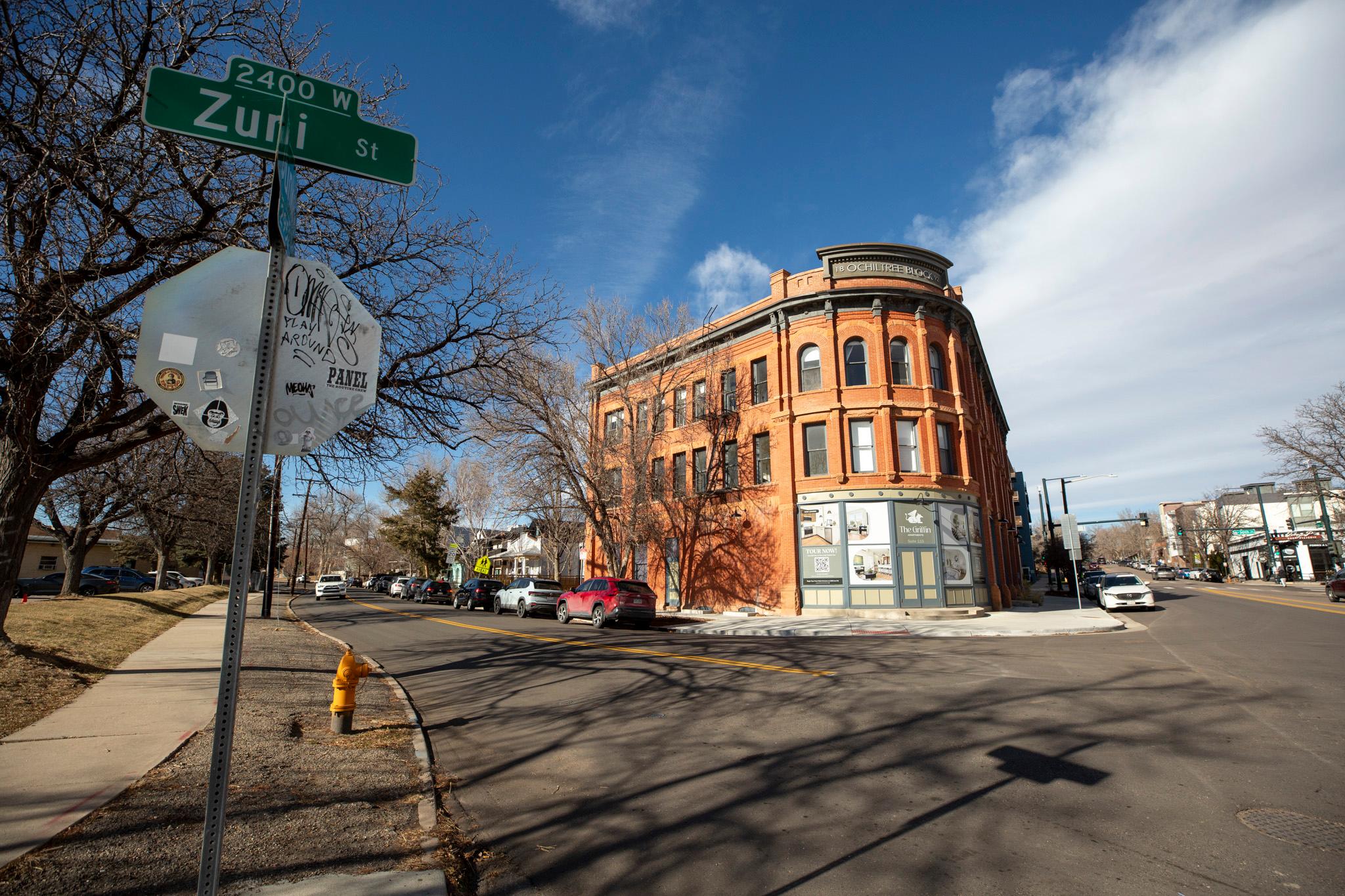
“Bell was inspired by the hills here in this particular area that reminded him of the Scottish Highlands,” said Jay Homstad, Director of Preservation Advocacy at Historic Denver, standing on the corner on Zuni Street that marks the boundary of the area known as ‘Scottish Village’.
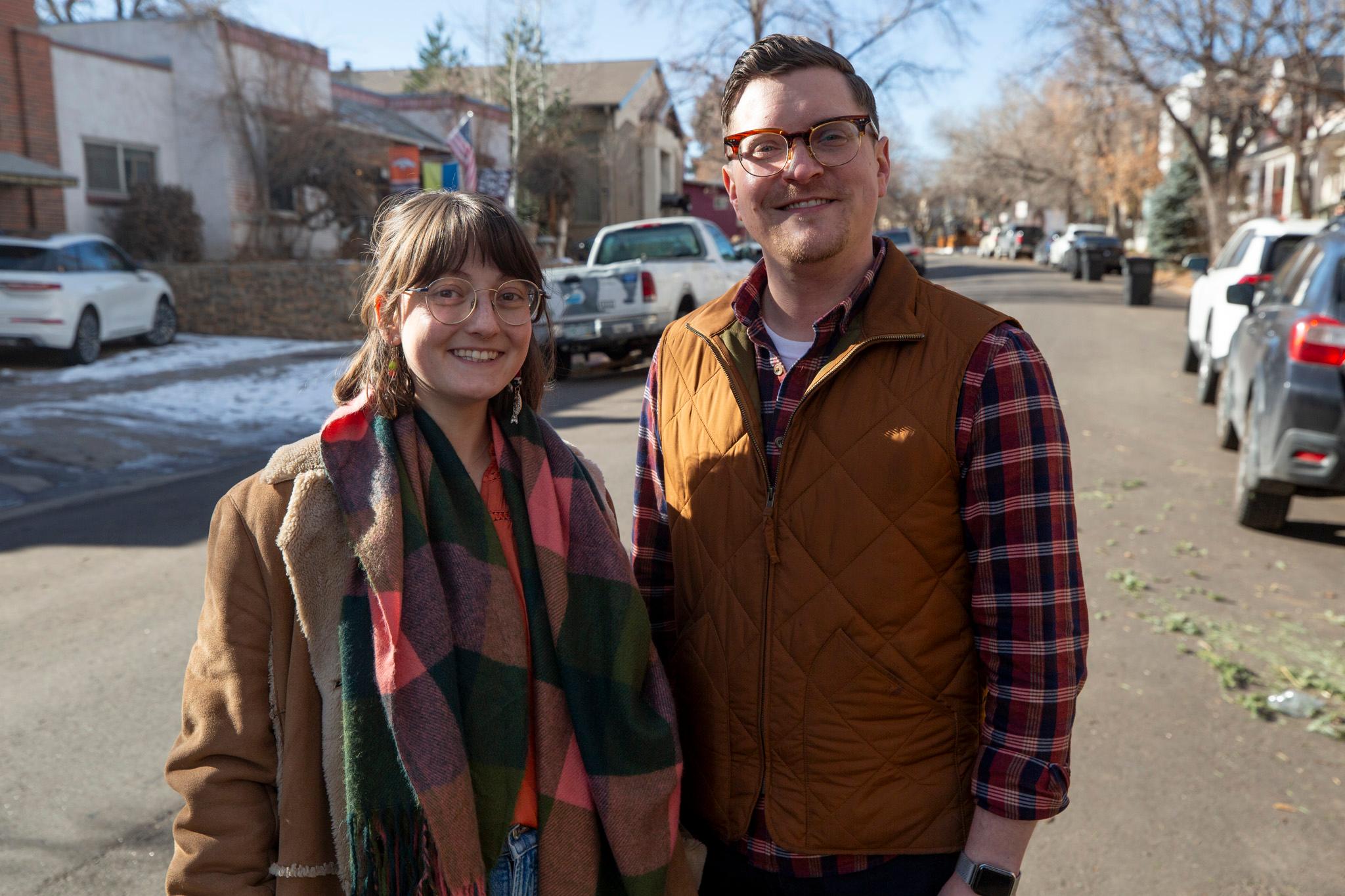
“And so that's how this was all meant to evoke the feeling of a Scottish village,” he said. “There was going to be this pastoral suburban enclave that was going to be up above the filth of the city.”
It turns out, it was a little too far from the fray of Denver.
“This area, especially, was difficult to get to, being up on a hill … Eventually, it was annexed by the city of Denver, and a lot of these large lots were subdivided into much smaller lots. And so this became very much a working-class neighborhood,” Homstad said.
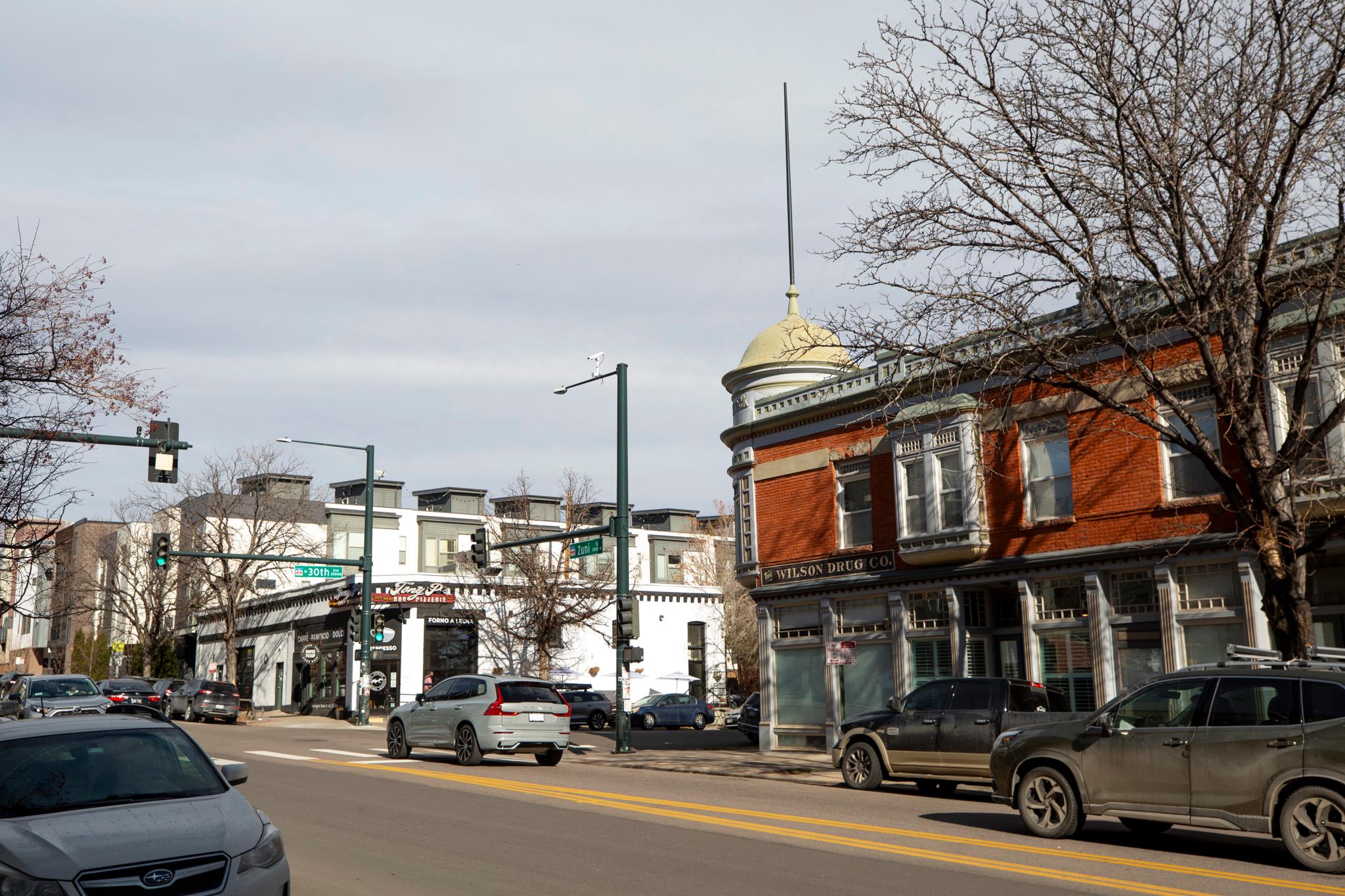
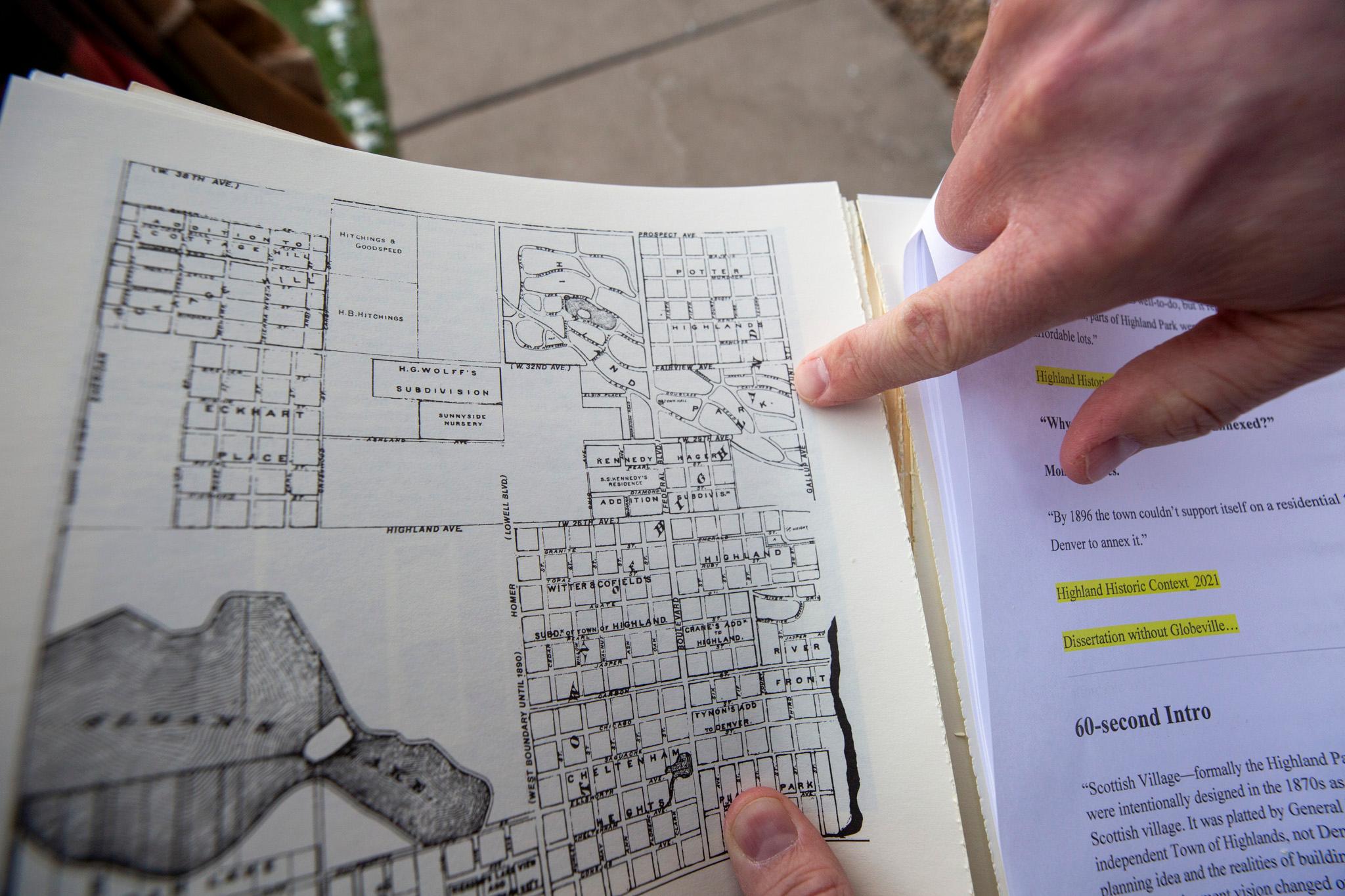
But the ghost of Palmer and Bell’s dream is here in this quartet of streets that run diagonally off of Zuni Street: Argyle Place, Fife Court, Dunkeld Place and Caithness Place.
Homstad notes that the curved streets are meant to follow the topography of the area. The design was also meant to slow traffic to make for a more peaceful development away from the main thoroughfares, he said.
This small pocket is all that’s left of Palmer and Bell’s original vision. The development, modeled on Chicago’s Riverside neighborhood, was supposed to be much larger. But the rest of it was mostly absorbed by future development.
“The story of this neighborhood and how that came to be is actually very similar to a lot of different neighborhoods in and around Denver that used to be their own municipalities and had developed in different timelines, different developers with different ideas about city planning,” Homstad said. “There was a lot of speculation in early Denver, so a lot of wealthy developers were purchasing property around the metro area, not really sure which direction the city was going to head.”
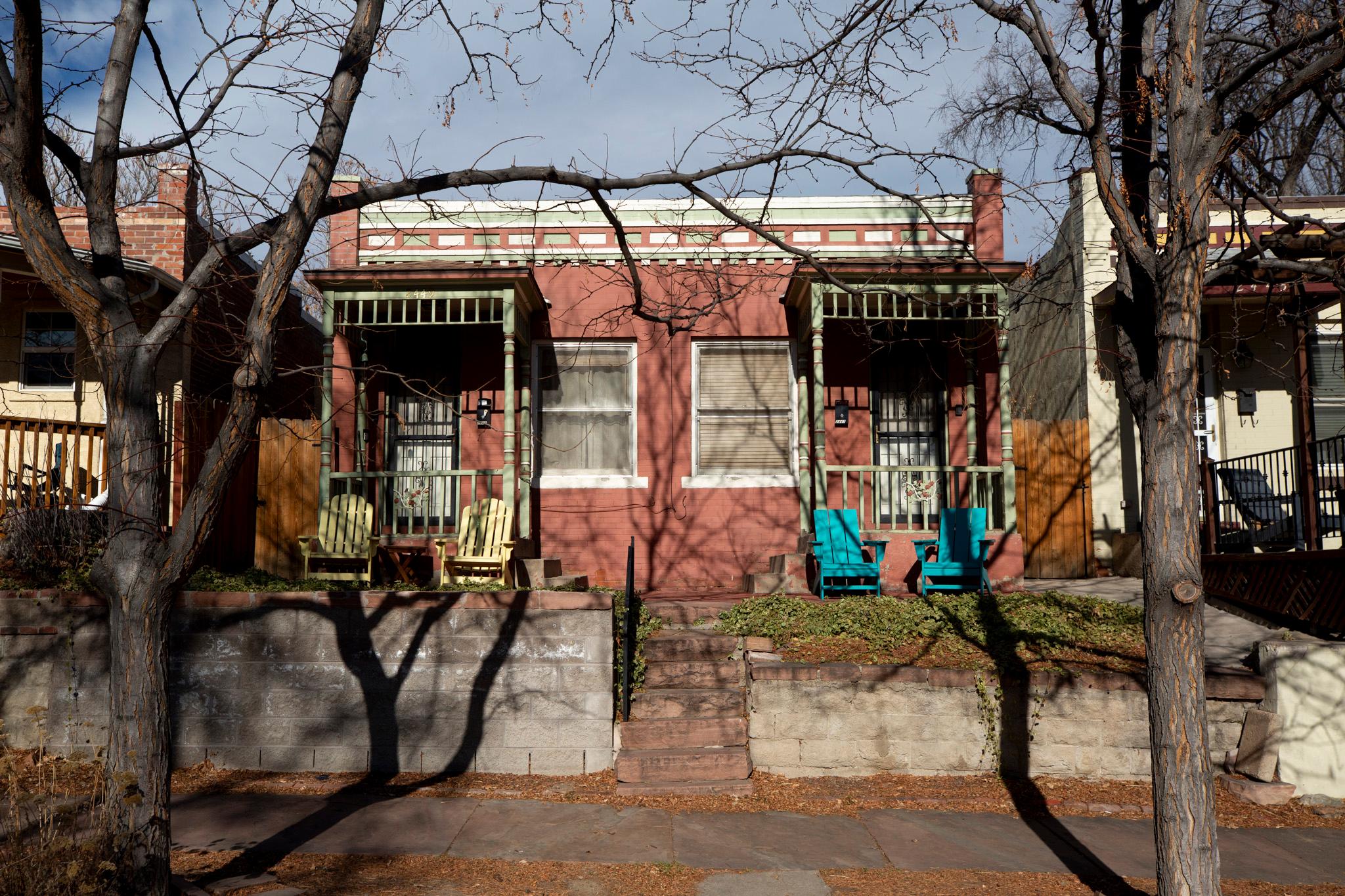
The grand mansions didn’t materialize. But there are more modest homes on these streets that date from around that time. For example, one of the homes on Caithness Place looks like a simpler version of a classic Victorian home.
“When we think of Queen Anne, I think typically we're thinking of really complex forms with a lot of decoration,” said Sam Crowley, director of research at Historic Denver. “But there are smaller examples of Queen Anne homes, which is what would've been very common … in this neighborhood.”
Crowley estimates the house on Caithness was built in the 1890s or early 1900’s, judging by the window lintel and rusticated stonework.
A historic home on Caithness Place in the Highland Park section of Denver's Highland neighborhood, west of Zuni Street. Jan. 21, 2025. 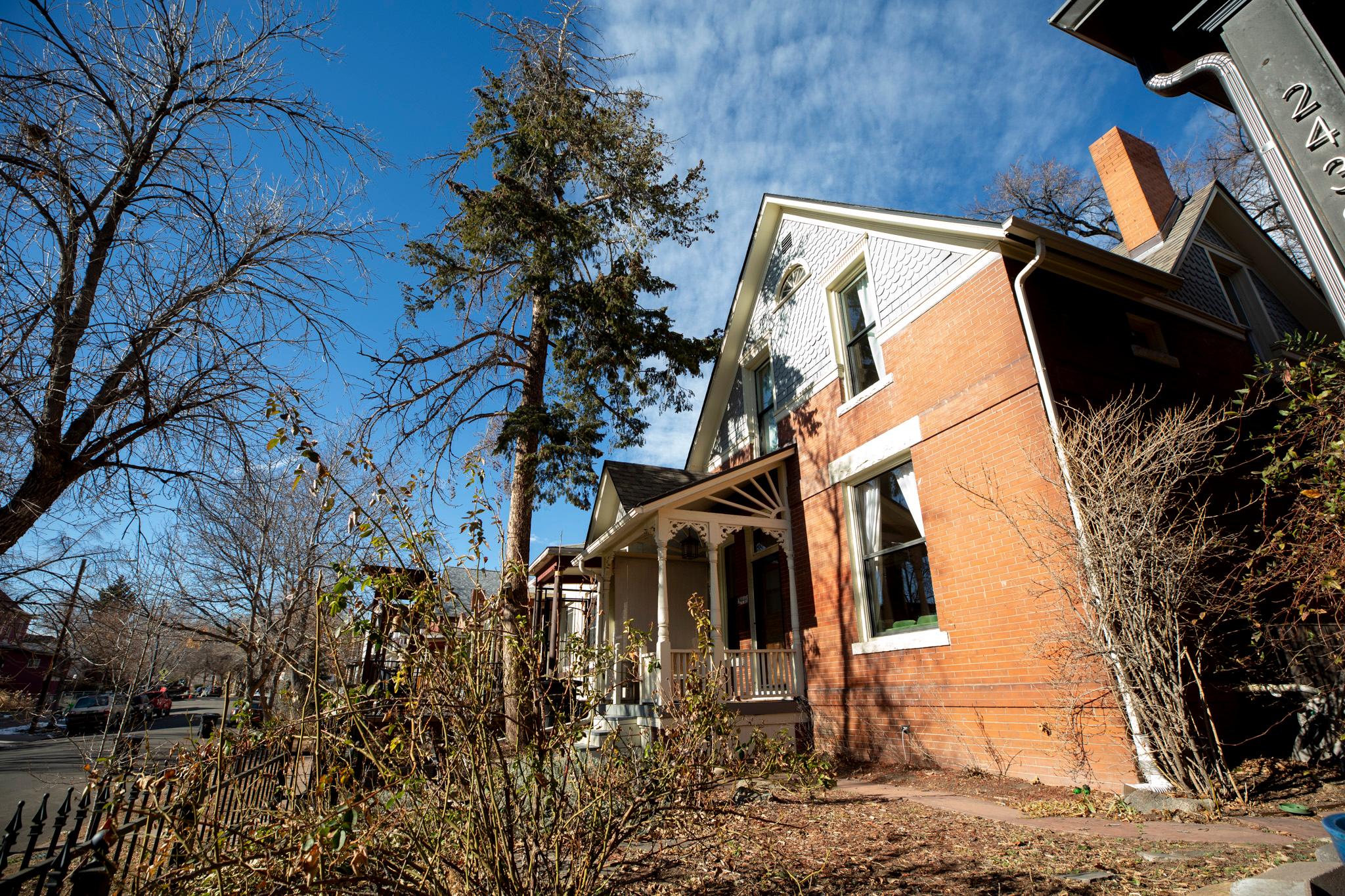
A historic home on Caithness Place in the Highland Park section of Denver's Highland neighborhood, west of Zuni Street. Jan. 21, 2025.
Such homes dot the broader neighborhood around these streets, called the Highland Park Historic District. The area is one of roughly 2,200 sites in Colorado on the National Register of Historic Places.
That designation doesn’t confer special status when it comes to preservation. There are plenty of modern homes and commercial buildings mixed in with the older homes on these streets. But being on the register does draw attention to the area for educational purposes, and helps to keep the history of the neighborhood alive.
“You still see the remnants of this ideal of what this neighborhood was supposed to be,” Homstad said.

Colorado Wonders
This story is part of our Colorado Wonders series, where we answer your burning questions about Colorado. Curious about something? Go to our Colorado Wonders page to ask your question or view other questions we've answered.