Colorado’s population continues to grow more diverse, yet many residents of color say they often feel underserved by mainstream media and overlooked by advertisers. Those challenges, they say, are being compounded by a national political climate in which diversity, equity and inclusion (DEI) initiatives are being rolled back, creating additional uncertainty for ethnic media outlets operating in Colorado with limited resources.
A statewide coalition known as the Colorado Ethnic Media Exchange is working to change that. The exchange, often called CEME (pronounced like “see me”), launched nearly two years ago, is bringing ethnic media outlets together to increase visibility, sustainability and economic opportunity in hopes of attracting the advertisement dollars they need for long-term sustainability.
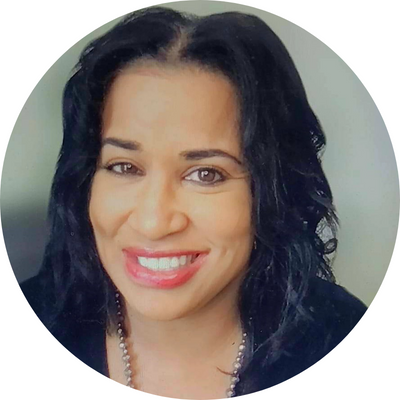
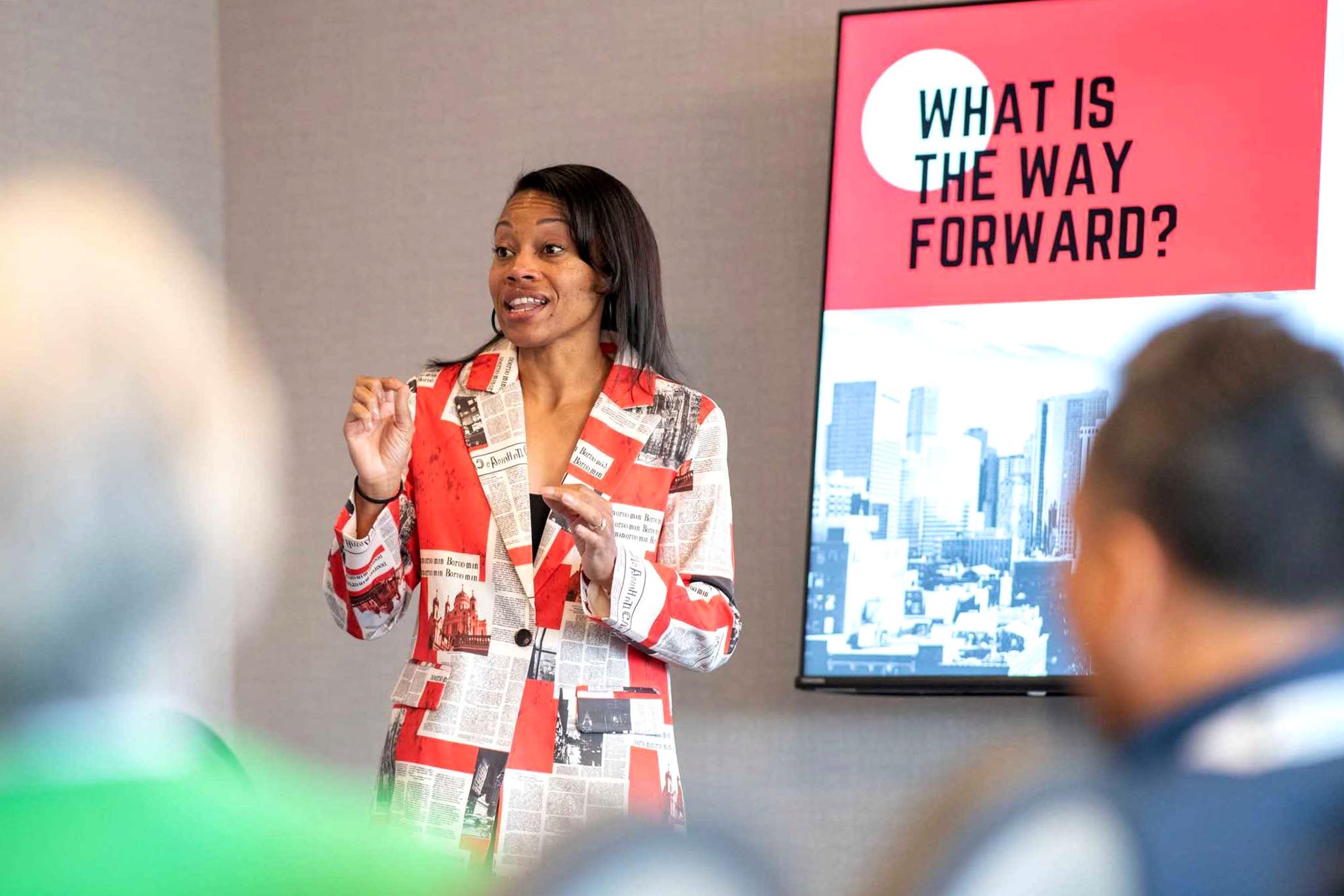
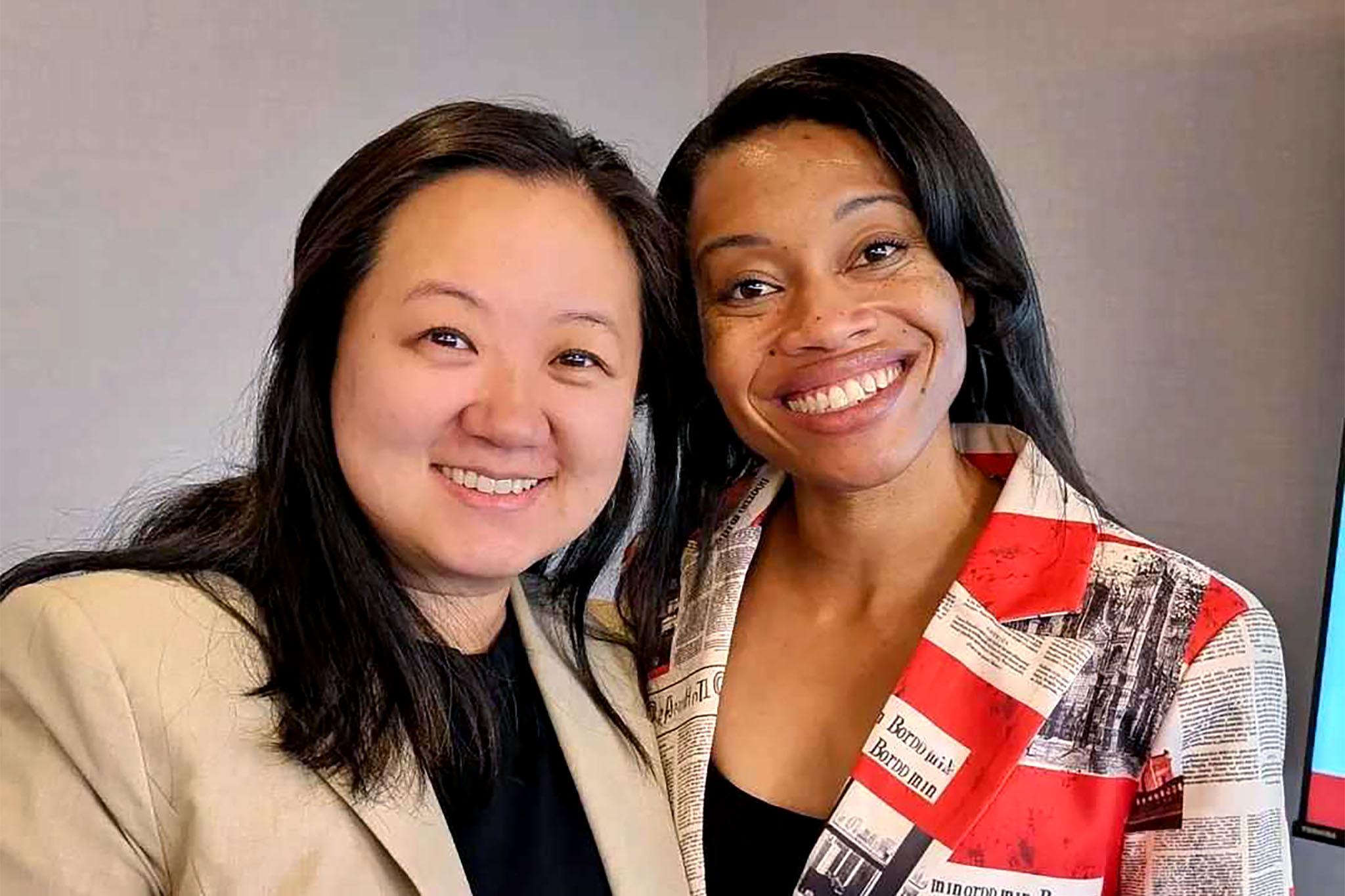
“We are wanting advertisers and corporations, foundations to see us,” quipped the Exchange's Executive Director, Brittany Winkfield, during a recent interview with Colorado Matters host Chandra Thomas Whitfield.
Winkfield, an executive board member for the Colorado Association of Black Journalists who also previously held a leadership role with the Denver Urban Spectrum newspaper, a Denver-based Black publication, said the coalition grew from conversations among publishers who were searching for new ways to survive in a changing media economy.
“It was birthed from a dream of seeing what we can do together,” she said. “If we present ourselves as a network and all of the audience that we have who have been really following the news, they are what I consider the most engaged citizens.”
Member outlets include Afridigest, Asian Avenue, El Comercio de Colorado and the Aurora Sentinel, among others. Many of the publications and broadcast outlets have served their communities for decades and, in some cases, more than a century.
“To know that they have built this audience, they are not just popping something up overnight, but have been doing this quality work for years and years and years, really serving, I think it is the most critical part of our democracy,” Winkfield said.
Winkfield, who began her journalism career as an intern at the Aurora Sentinel, said ethnic media outlets play a unique role in helping residents understand their communities, from school coverage to local elections and cultural events.
“They are telling the stories that do not get told automatically,” she said.
Despite that role, ethnic media outlets face significant financial challenges. Winkfield said more than 100 publications closed in Colorado in 2025 alone, largely due to revenue shortfalls that continue to worsen amid DEI pushbacks nationwide.
“It breaks your heart,” she said.“People are not feeling good. It is not a pretty picture right now.”
Industry research shows that diverse-owned media continues to receive a disproportionately small share of advertising dollars. Studies from the Association of National Advertisers have found that roughly two percent of total advertising spending goes to diverse-owned media, even as Black, Latino, Asian American and Native American communities collectively represent trillions of dollars in annual buying power nationwide.
Research from the University of Georgia’s Selig Center for Economic Growth estimates that the combined buying power of Black, Latino, Asian American and Native American consumers exceeds $3 trillion nationally. Census data also show Colorado’s population is becoming more racially and ethnically diverse, with growing Latino, Asian American, Black and Native communities across the state.
“That is why I am here,” Winkfield said when asked about the disconnect between buying power and advertising investment. “I am here to remind them we are here, we have value and bring this audience.”
Winkfield said ethnic media connects with audiences in ways that mainstream outlets often cannot.
“They are speaking their language. They are calling them by name,” she said. “People see themselves in the publications.”
The exchange also works across platforms, including print, digital, radio and podcasts, to reach audiences where they are.
“Maybe not everybody is reading a newspaper or magazine, but they will turn on the radio. They will listen to a podcast,” Winkfield said.
Looking ahead, Winkfield said the goal is sustainability, not only through advertising but also through philanthropy, events and training opportunities that strengthen both business and editorial operations.
“My dream is just to bring in as much revenue to these publications, [so] that they do not have to close their doors long term,” she said. “It is really all about sustainability.”
Winkfield said she hopes audiences and advertisers alike come to see the exchange as a trusted connector between communities and the organizations that want to reach them.
“Seeing ‘see me’ (CEME) as, ‘that group of media organizations that really speak my language,’” she said.
Despite ongoing challenges, Winkfield said the resilience of ethnic media publishers gives her hope.
“We will rise, and we have this North star that we are together in this,” she said.
Some of the member outlets will be sharing some of their work on Colorado Matters in the coming months. To learn more about the Colorado Ethnic Media Exchange, visit ethnicmedia.co.