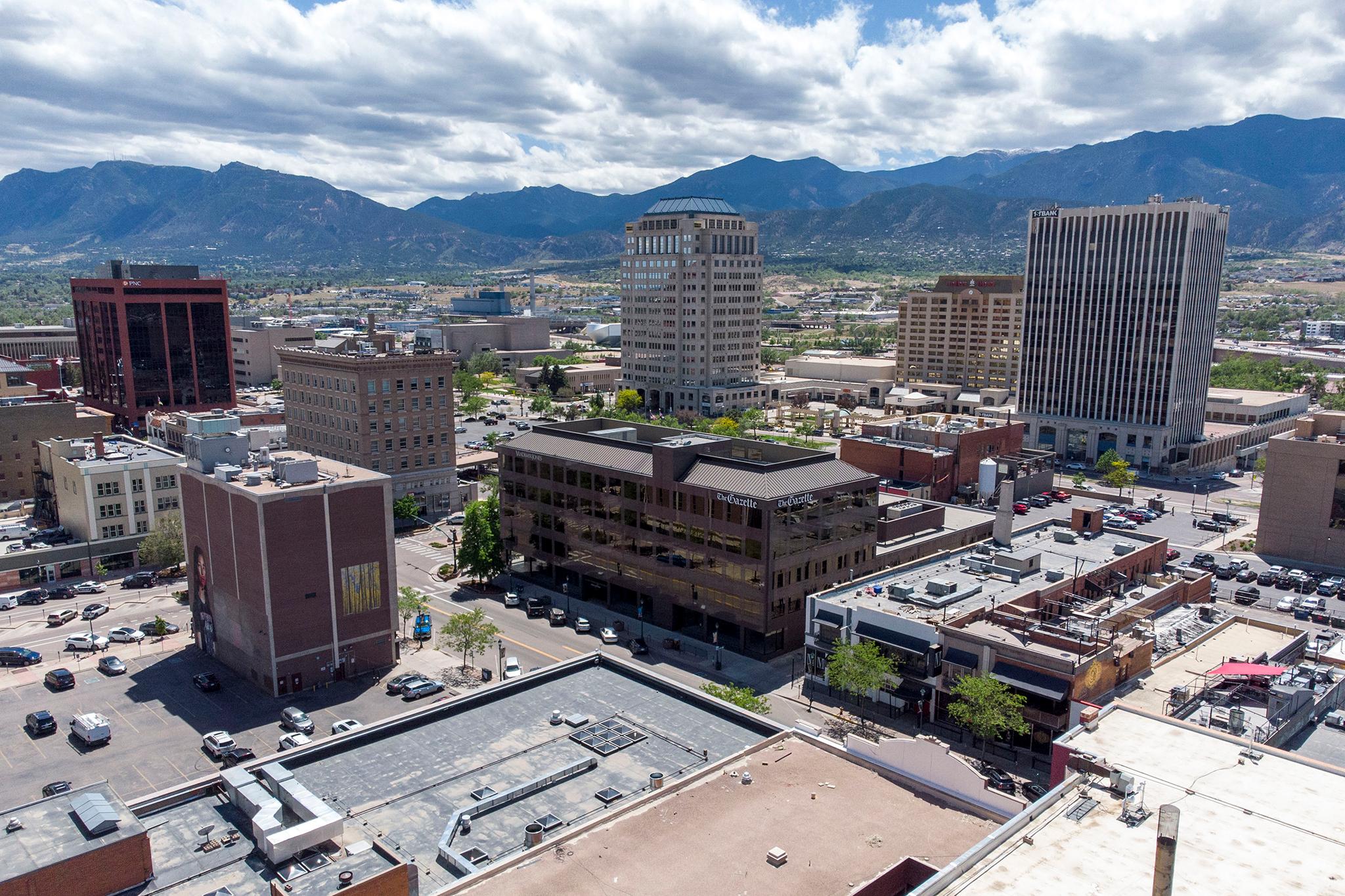
A test of the U.S. Census this year will no longer include Colorado Springs in the list of communities surveyed by the bureau. The test, which was initially set to survey six locations around the country in March, has been narrowed down to two communities in the American South.
It's a change that took Census Bureau specialist Lacey Loftin by surprise.
“I don’t know more than you do,” she said during a phone call Tuesday.
Loftin was responsible for running the tests in Colorado Springs and in rural western Texas, both of which were abruptly removed from the list of sites on Monday.
A press release from the bureau said the two remaining test locations, Huntsville, AL and Spartanburg, SC, will allow the agency to evaluate using postal service workers for tasks normally performed by Census employees. It gave no reason for lowering the number of test sites.
“The Census Bureau remains committed to conducting the most accurate count in history for the 2030 Census,” the release said.
Each of the original six locations were chosen because they represented difficult scenarios for the bureau to get a full population assessment. The agency had prepared to focus in Colorado Springs on challenges stemming from counting group quarters — places like military barracks or college dorms. In January, the bureau was busy hiring 1,900 temporary workers in the Pikes Peak region to conduct the test.
The decision to drop the Springs from the list of test sites worries leadership at Communities Lead Communities Thrive, a statewide group of nonprofits focused on challenges faced by historically excluded communities in Colorado.
Managing Director Marco Dorado said the test provided a chance to reduce uncertainty ahead of the 2030 population count and to identify barriers to participation.
“The decision is a loss for Colorado,” Dorado said in a statement, “including the thousands of temporary jobs that would have supported the test and the government and nonprofit partners who were prepared to collaborate on outreach and engagement.”
The Census Project, a national nonprofit advocacy group, noted its concerns with “dramatic scaling back of tests” in tribal lands and rural areas. It asked stakeholders to insist upon greater transparency regarding the hastily announced changes.