While much of America is preparing for Sunday's Super Bowl, an organization in southeastern Colorado sees the big event as a fun way to help protect a threatened ecosystem.
Move the "B" in Super Bowl and it becomes Superb Owl, a fundraiser for the Southern Plains Land Trust. The organization based south of Lamar aims to restore shortgrass prairie in an area it once thrived.
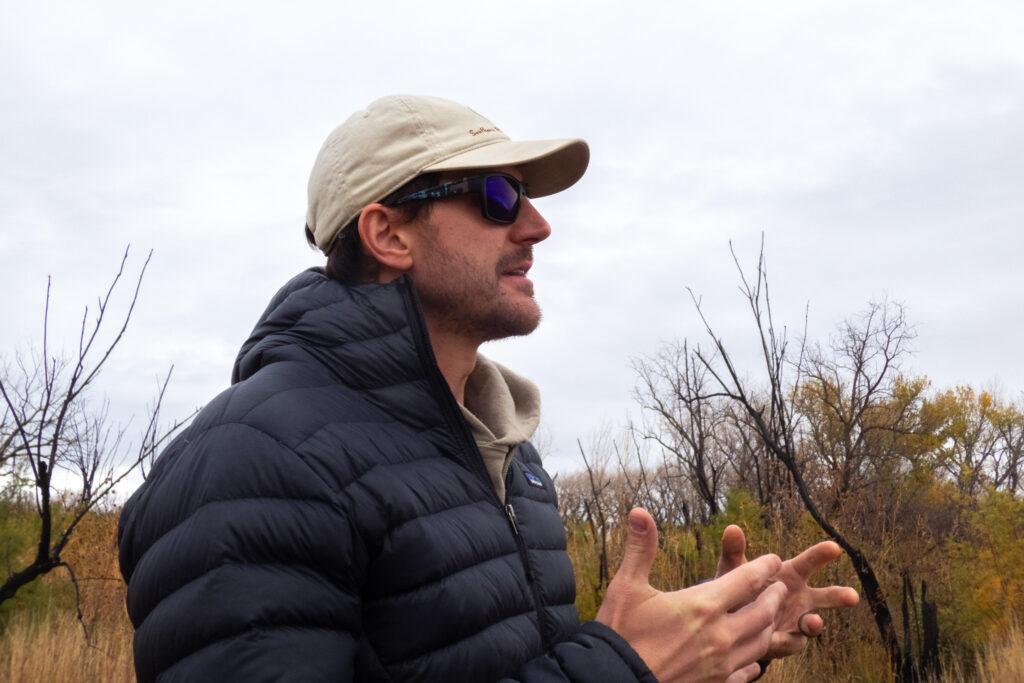
On a cold fall morning, KRCC's Andrea Chalfin spoke with the trust’s executive director Henry Pollock about the organization he calls SPLT— pronounced "split" — and its work.
This interview has been edited for length and clarity.
Andrea Chalfin: Paint a picture of what it's like to be here on the prairie.
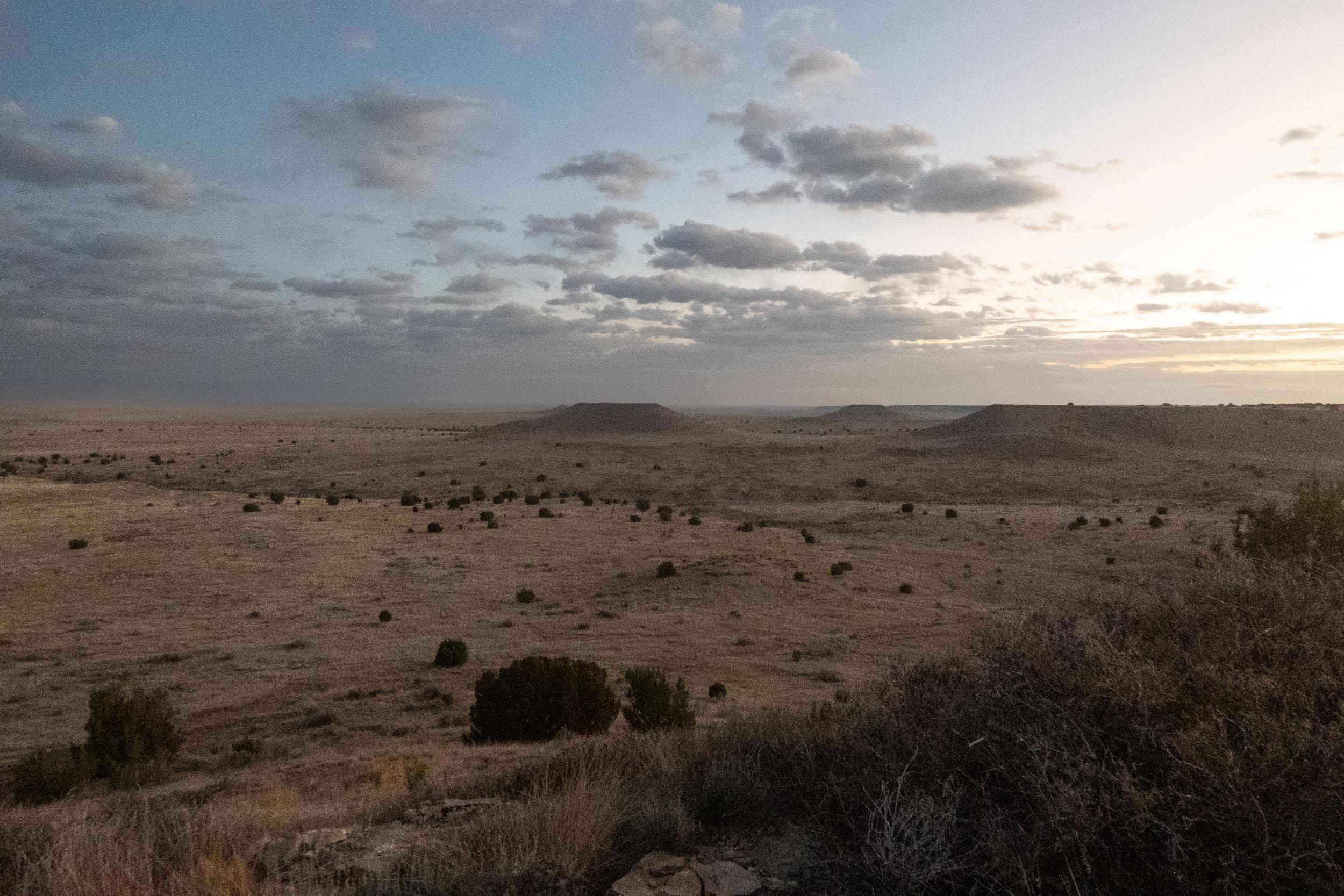
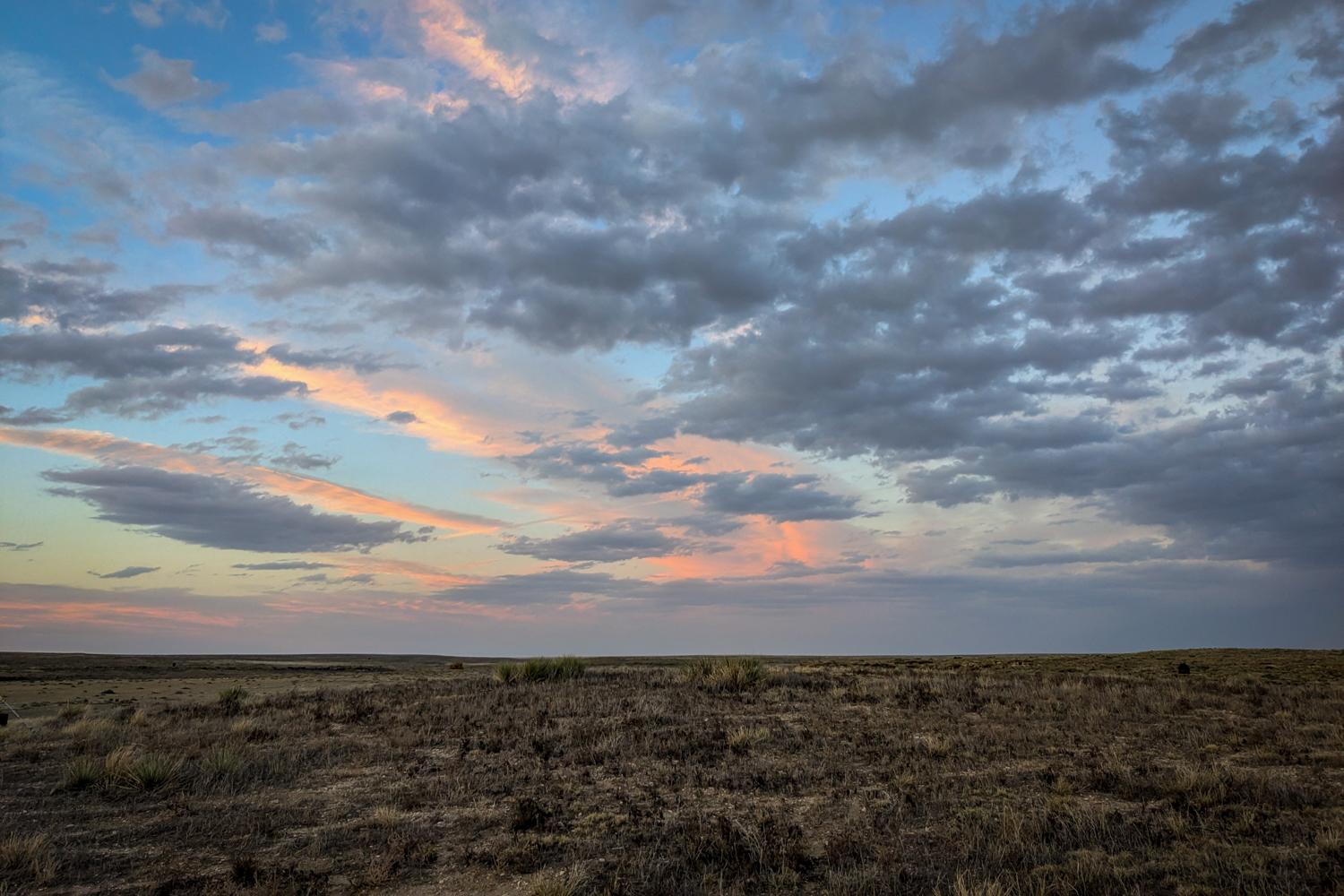
Henry Pollock: The thing that struck me the most was how close you are to the elements. The whooshing of the wind, which can get over a hundred miles an hour at times, the power of the storms when they are out here, they can be monsoon level, the beating of the sun down on you. It can be a harsh environment.
That being said, when you look out across the sea of grass, you see a lot of homogeneous habitat. And I think what's been really special for me living out here on the Plains is to walk out onto a 70-square-mile nature preserve and see all this wildlife around you and see the subtle heterogeneity that you find in a hidden spring or a grove of cottonwoods or a rock outcrop where you find a great horned owls nest.
These are the types of things that I experience when I look out on the prairie.
Chalfin: Tell me a little bit about SPLT. I was really surprised to get out here and find out it was founded on prairie dogs. Speak a little to that impetus and why.
Pollock: SPLT has always, since its inception, been focused on managing for biodiversity–trying to bring back some of the enormous, riotious biodiversity that used to occupy the Southern Plains that is now gone primarily due to human impacts.
Prairie dogs are a primary example of a species that, through both disease brought by non-native rodents and transferred to prairie dogs here in the U.S. and also through persecution by humans, have just been absolutely decimated. And with that loss of prairie dogs has come the concomitant loss of other species that depend on them.
This area, unlike much of the area 30, 40, 50 miles away, has remained in grass for 150 years since this area was settled by westward colonizers. This area, and parts of northeastern New Mexico and other parts of the Southern Plains, are the areas where you have the best chance of protecting what is still left.
Chalfin: Protecting what is still left … just to clarify–this specific place was never plowed over? This is the original prairie even despite clear evidence that there's cattle here?
Pollock: This is cattle country. If you look at all of our neighbors, that land is all still in grass. And if you go 15 miles to the north, you're going to start seeing ag-land. If you go closer to water, you're going to start seeing ag-land. So a lot of that was and has been plowed up. But this area, and I'm not saying that there hasn't been some sporadic agriculture in this area, there certainly has been, but it was not to the extent that there was in say, the rest of the Dust Bowl region.
The Great Plains makes up about a third of the continental United States. It's an enormous land area. And in the Southern Plains in particular, there's been a lot of this grassland loss. In fact, the Great Plains have lost almost 50 percent of what was originally there. And in the next few years that land is going to become increasingly under threat.
It's also one of the least protected ecosystems in North America. There's only 2 percent of the Great Plains ecosystem under formal protection. The vast majority of it is private and unprotected.
Chalfin: Why should we care about the Plains ecosystem?
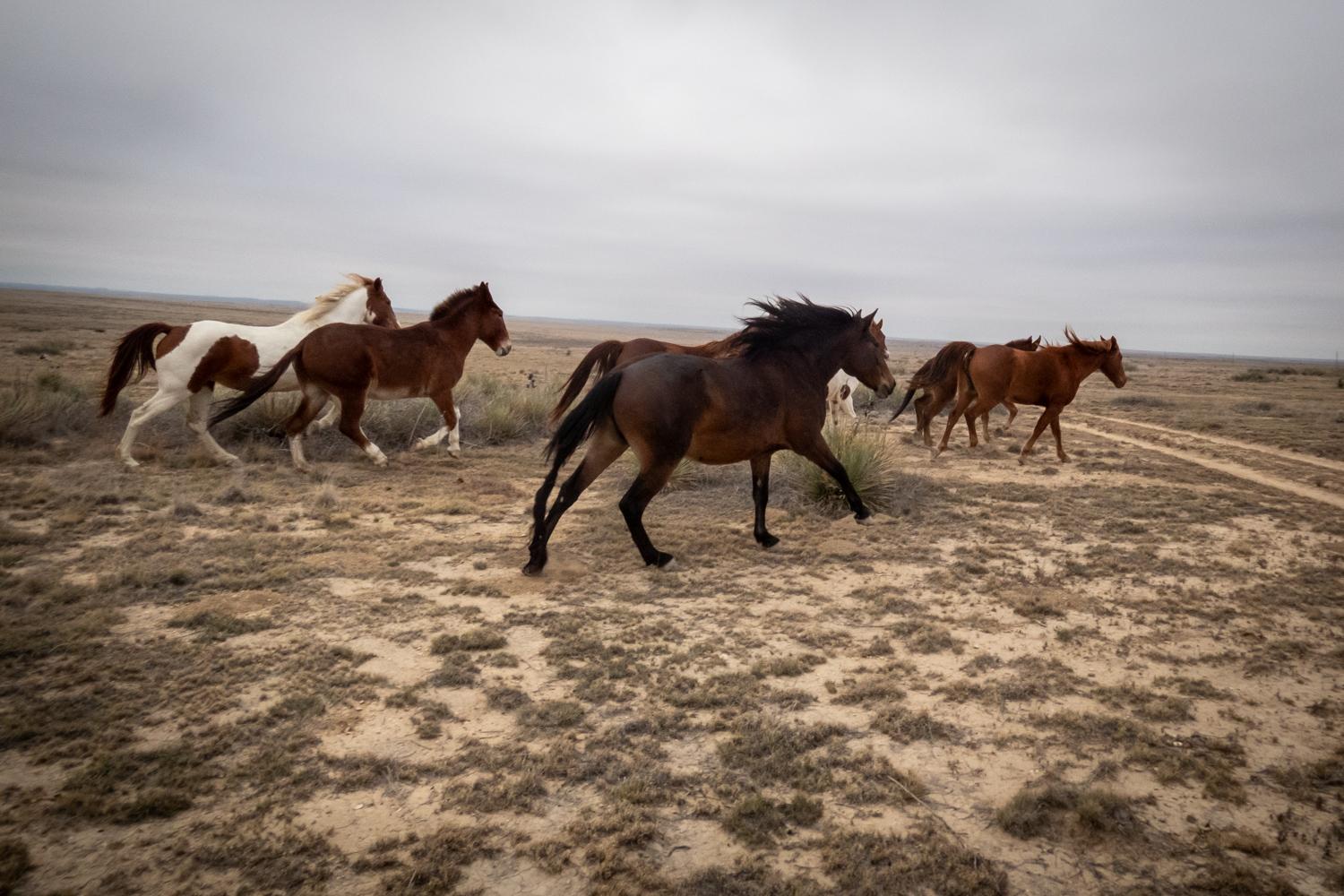
Pollock: I think that biodiversity should be valued. And in addition to just the scenic and biodiversity per se, having these ecosystems intact provides really important ecosystem services– whether it is carbon storage or climate resilience through protecting waterways. Whatever it might be, that is incredibly important to protect, and sometimes that is at odds with intensive agriculture.
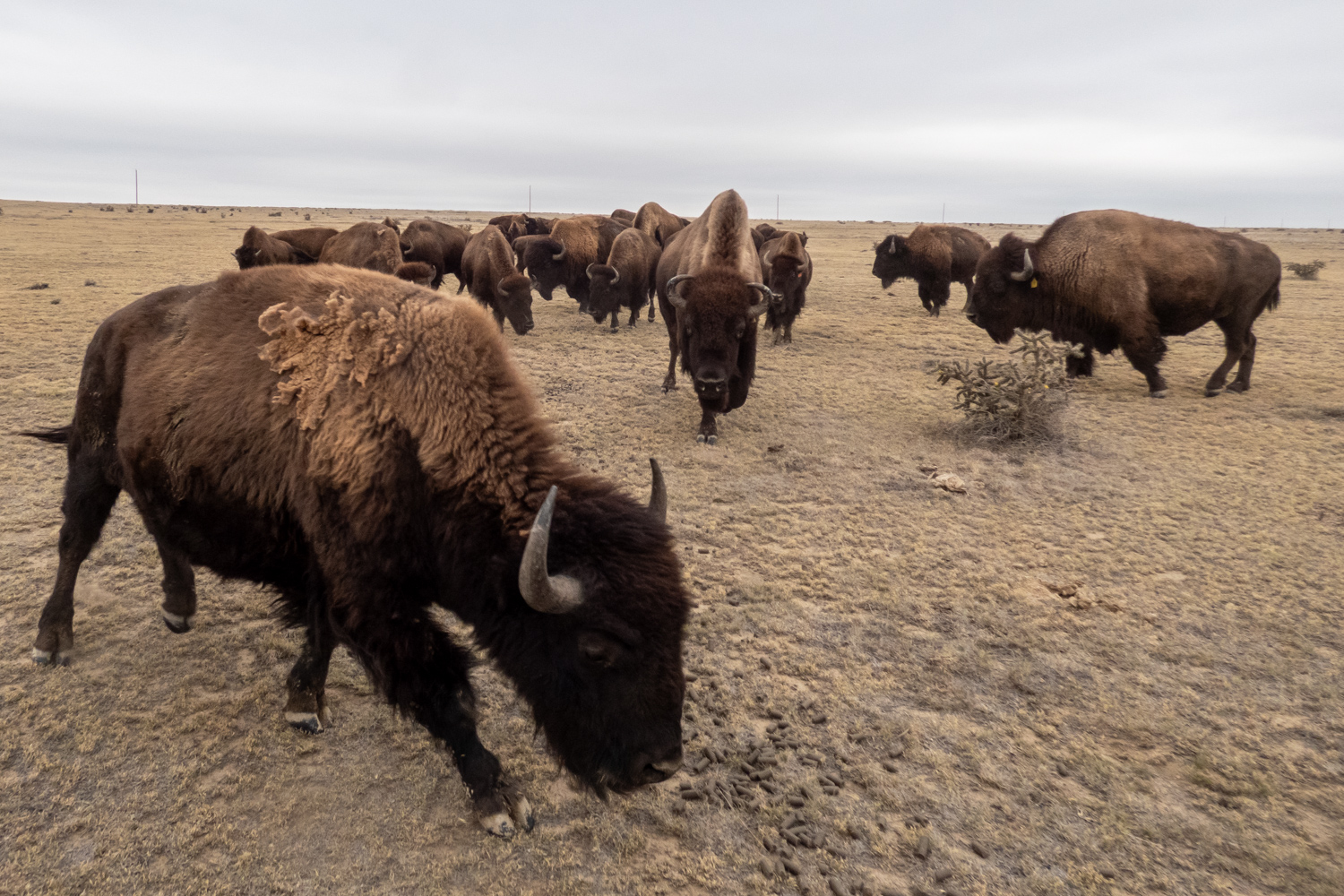
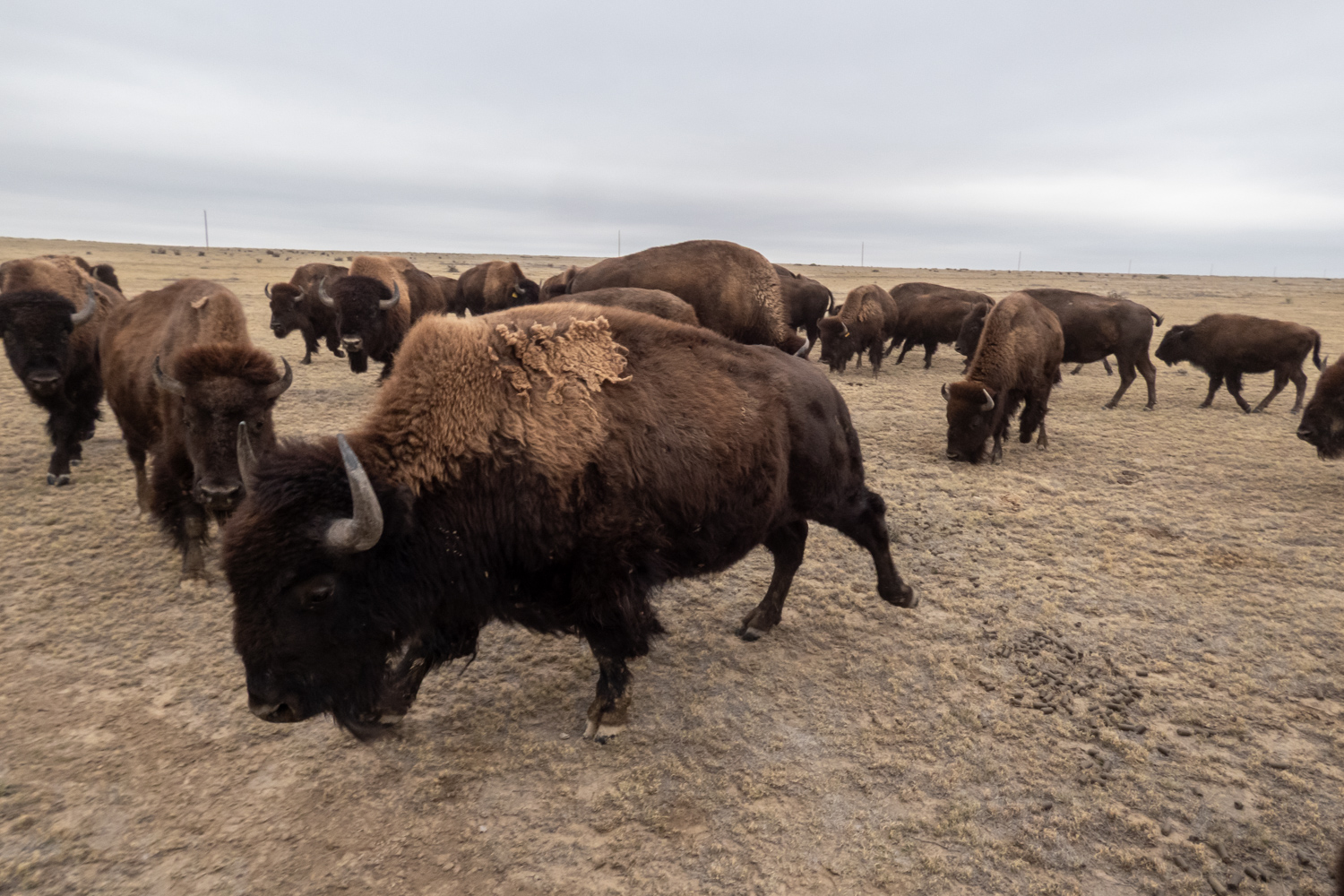
Chalfin: What other animals or plants have you reintroduced?
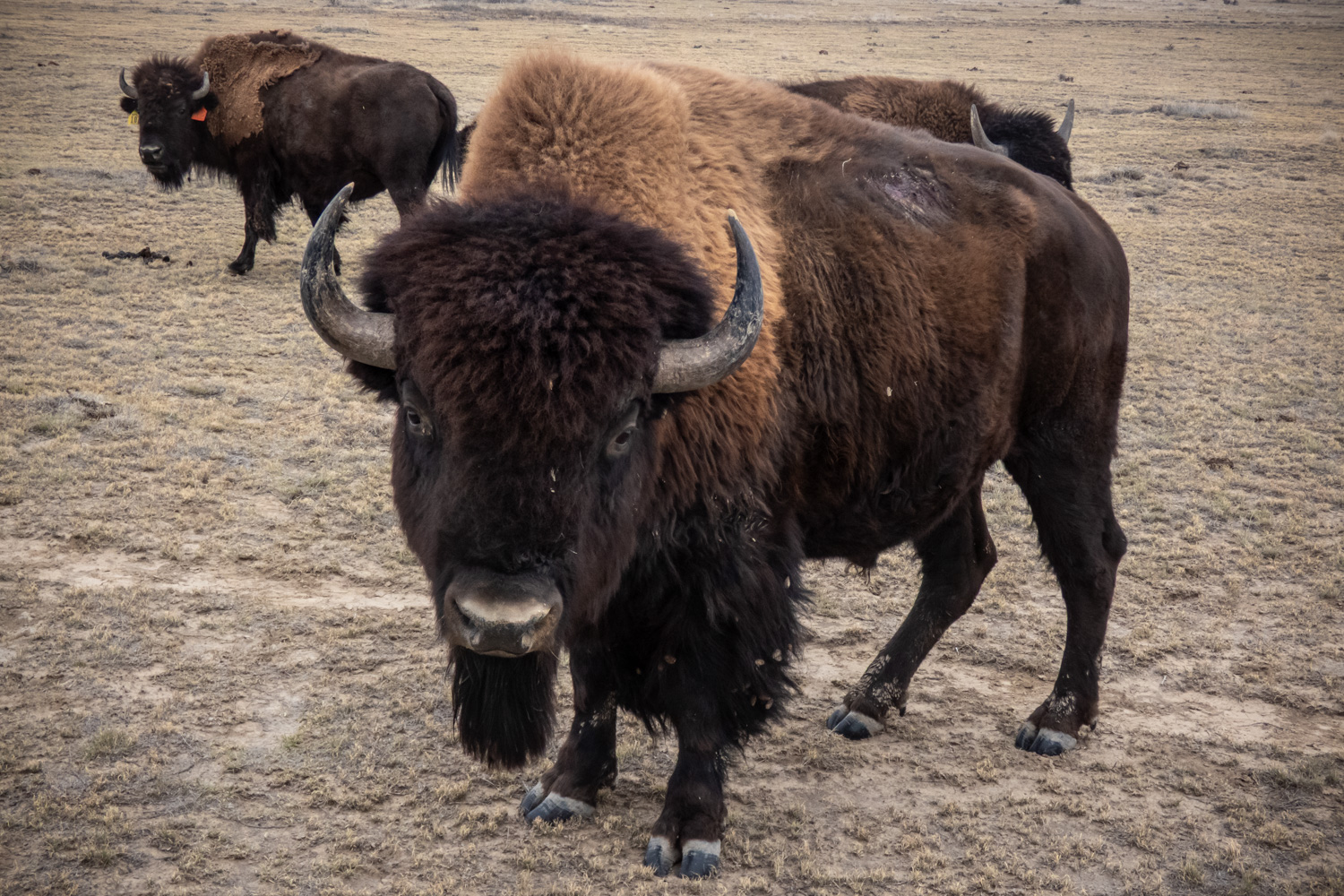
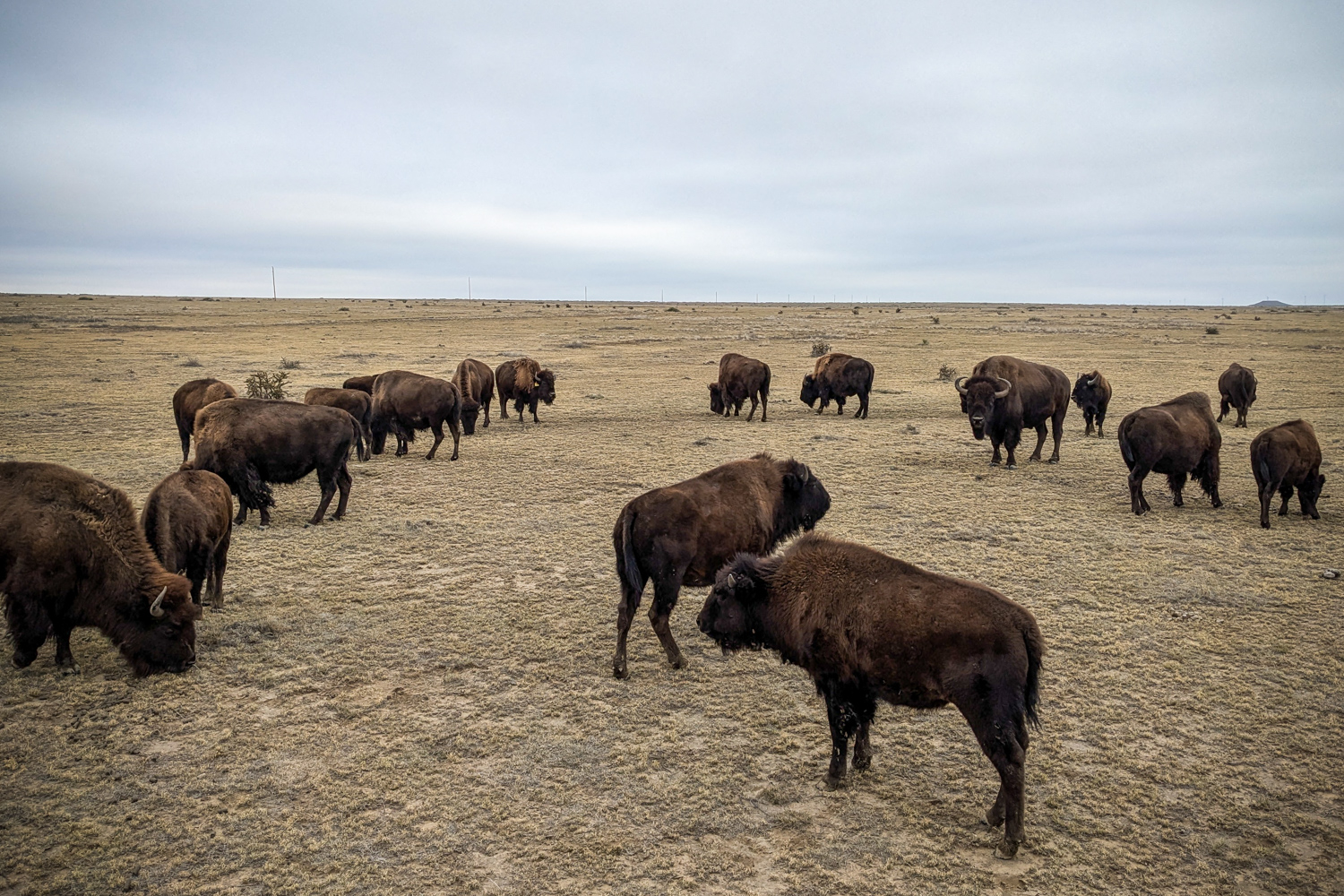
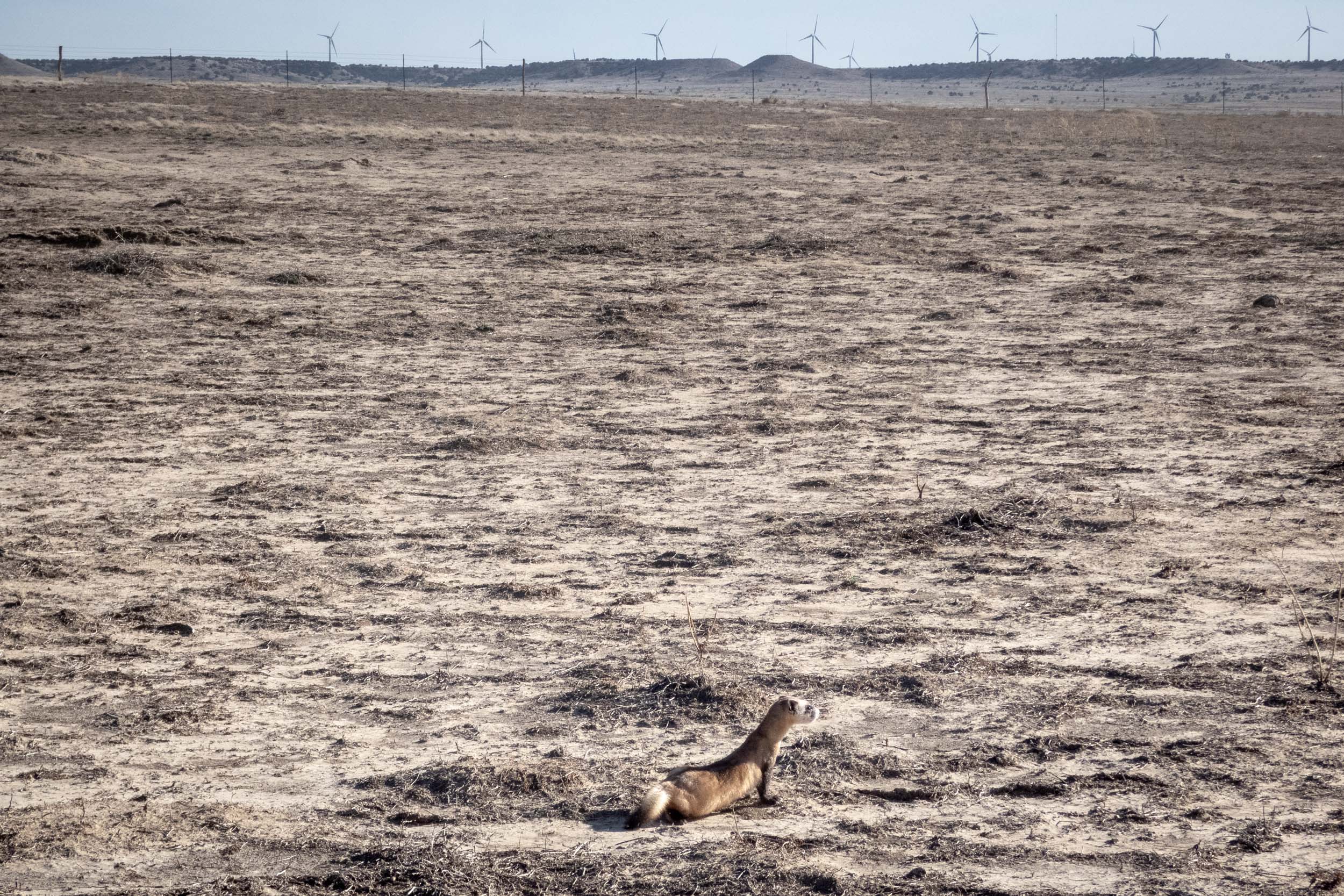
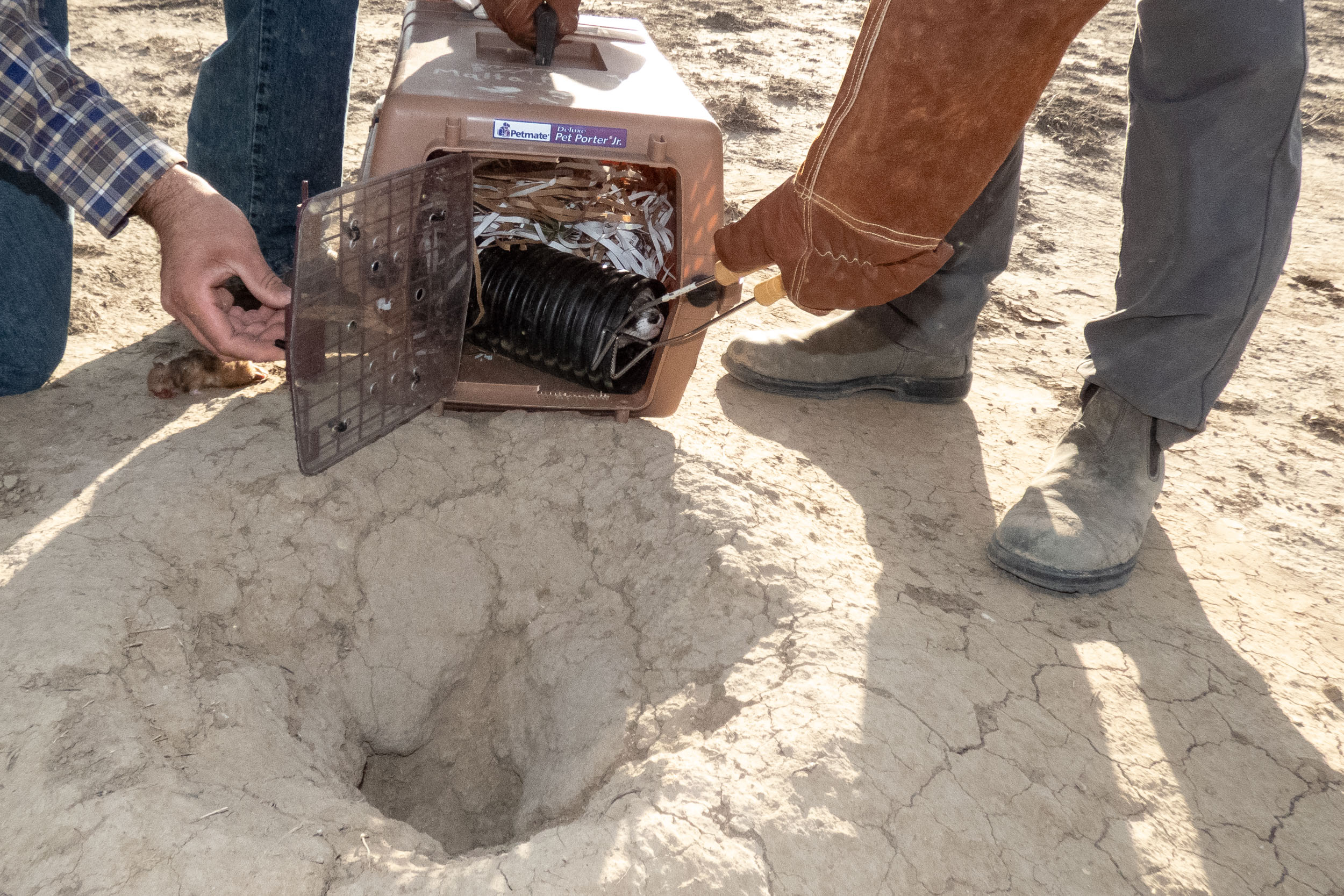
Pollock: We've reintroduced bison. We've also reintroduced the black-footed ferret, which is a good example. We haven't reintroduced, but we've been working on restoring prairie dogs. When we first got here, there were only a few hundred prairie dog acres in this area, and they had been experiencing plague on and off for many years. Our plague mitigation has protected them and allowed them to increase, and that has allowed us to reintroduce the black-footed ferret (which hunts prairie dogs as its primary food-source).
In terms of plants, because this has been native grassland for a long time, we still have a lot of the plant community. That isn't to say that it hasn't been heavily damaged because of the heavy grazing by cattle, which don't graze selectively. They'll eat anything that they can. A lot of those plants are kind of in remnant, smaller populations. I think that over time, by having bison on the landscape and kind of allowing the land to rest a little bit at a lower grazing pressure, some of those will start to recover naturally.
One of the projects that we have been working on has to do with dung beetles. Where there's been a lot of cattle, the cattle are often treated with ivermectin or other types of antibiotics. That essentially is metabolized and comes out in their feces. So dung beetles, which depend on large animal feces to survive, provision their young with a ball of dung and then they lay their eggs in the dung and then die.
Dung beetle populations in areas with heavy cattle grazing are in free fall. So we've been working with the Denver Zoo to try to reintroduce dung beetles to the landscape. In particular the rhinoceros scarab beetle, which is a really large dung beetle and they're super rare in this part of the state.We're trying to reintroduce some of them as well, to restore that really important ecosystem function that dung beetles bring — decomposition.
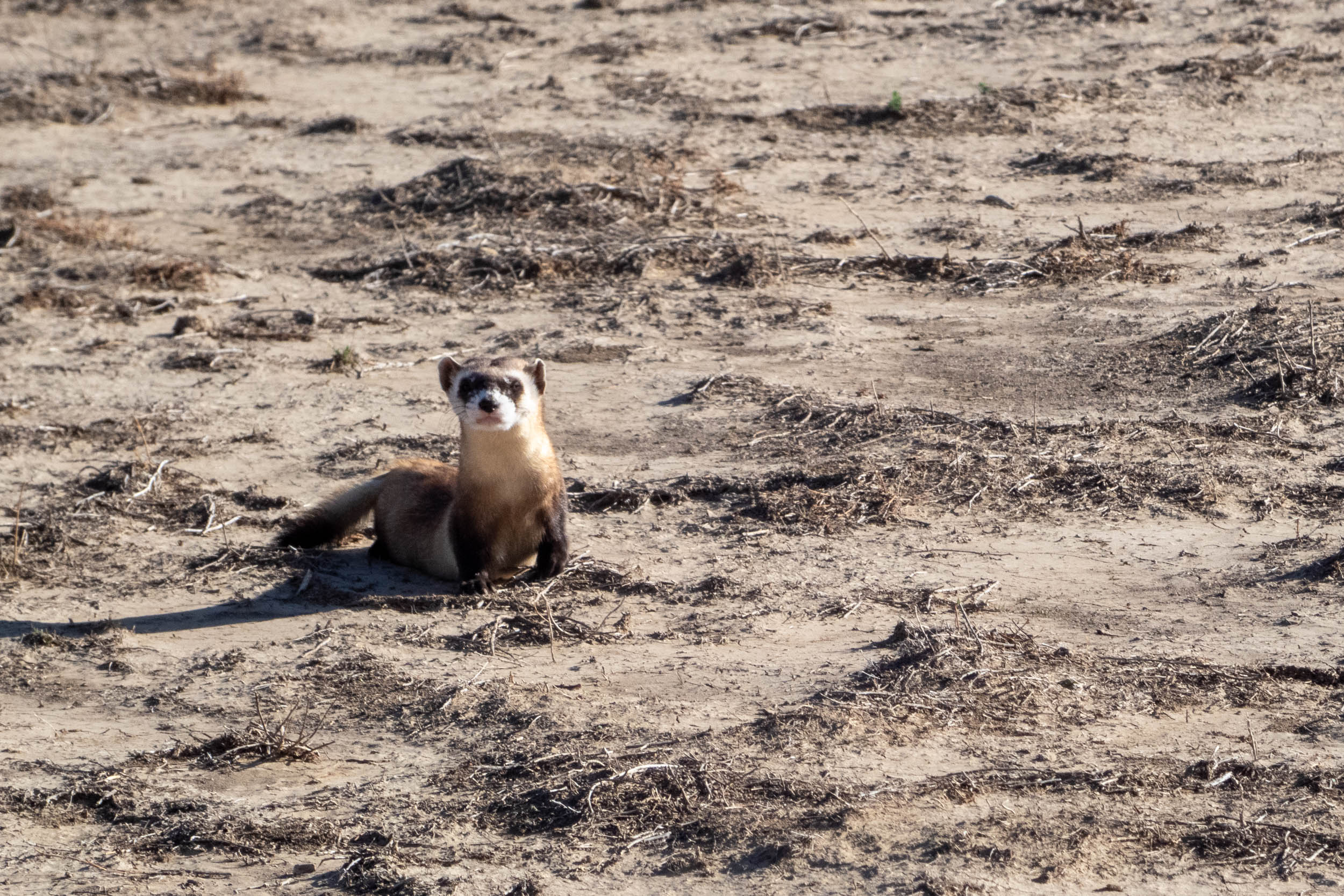
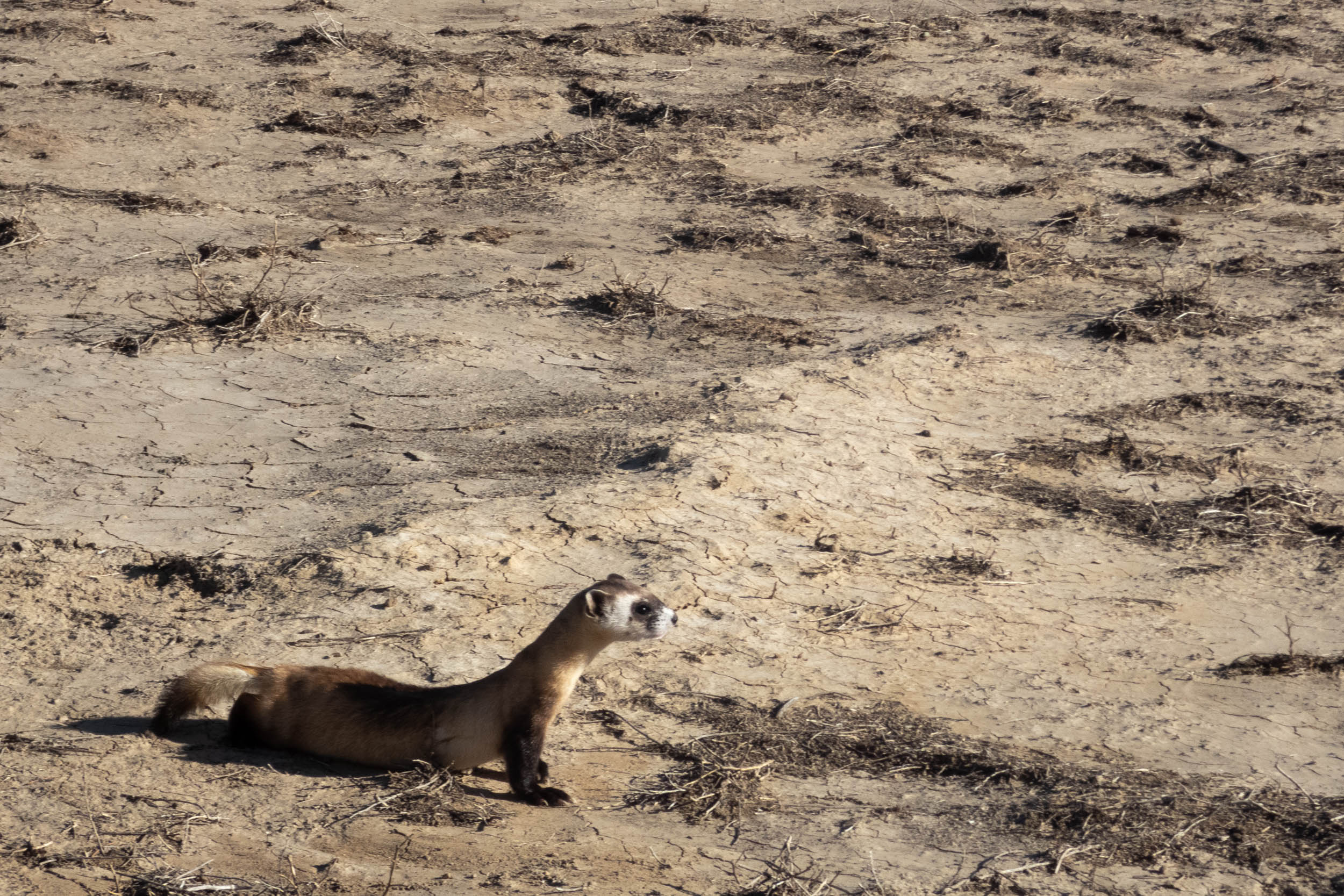
Chalfin: What is the impact of this work?
Pollock: If you don't have places like Southern Plains Land Trust, you are going to lose all the biodiversity and all of the ecosystem services. Again, it's not just about wildlife per se, it's about money. The carbon storage that these grasslands accumulate, the amount of carbon that they store is really important in terms of global carbon cycles and climate change.
You might be surprised to know that grasslands are responsible for a third, if not more, of the world's total carbon storage. So for a variety of reasons, I think that we need to protect areas, and it's why we're doing what we do. We need to be preserving more land like this, and I don't think it has to be a zero-sum game, which is often how it's viewed.
I think sometimes people can view the work that we're doing is directly counter to agriculture, but we share a lot in common with people who do agriculture. Ranchers? They want open space too and so do we. I think there's plenty of commonalities that we can find with rural communities, and what we're doing in terms of preserving land for biodiversity is, in my mind, the most important mission that we could have.
- New preserve on Purgatoire River in Southeastern Colorado established to restore prairie habitat
- Wild Bison Return To Colorado’s Great Plains
- Move over, Charlie Brown. Trade your traditional evergreen Christmas tree for a juniper tree from Colorado's Eastern Plains
- The great American Dust Bowl novel inspired by a woman’s childhood on a dryland farm in Southeastern Colorado