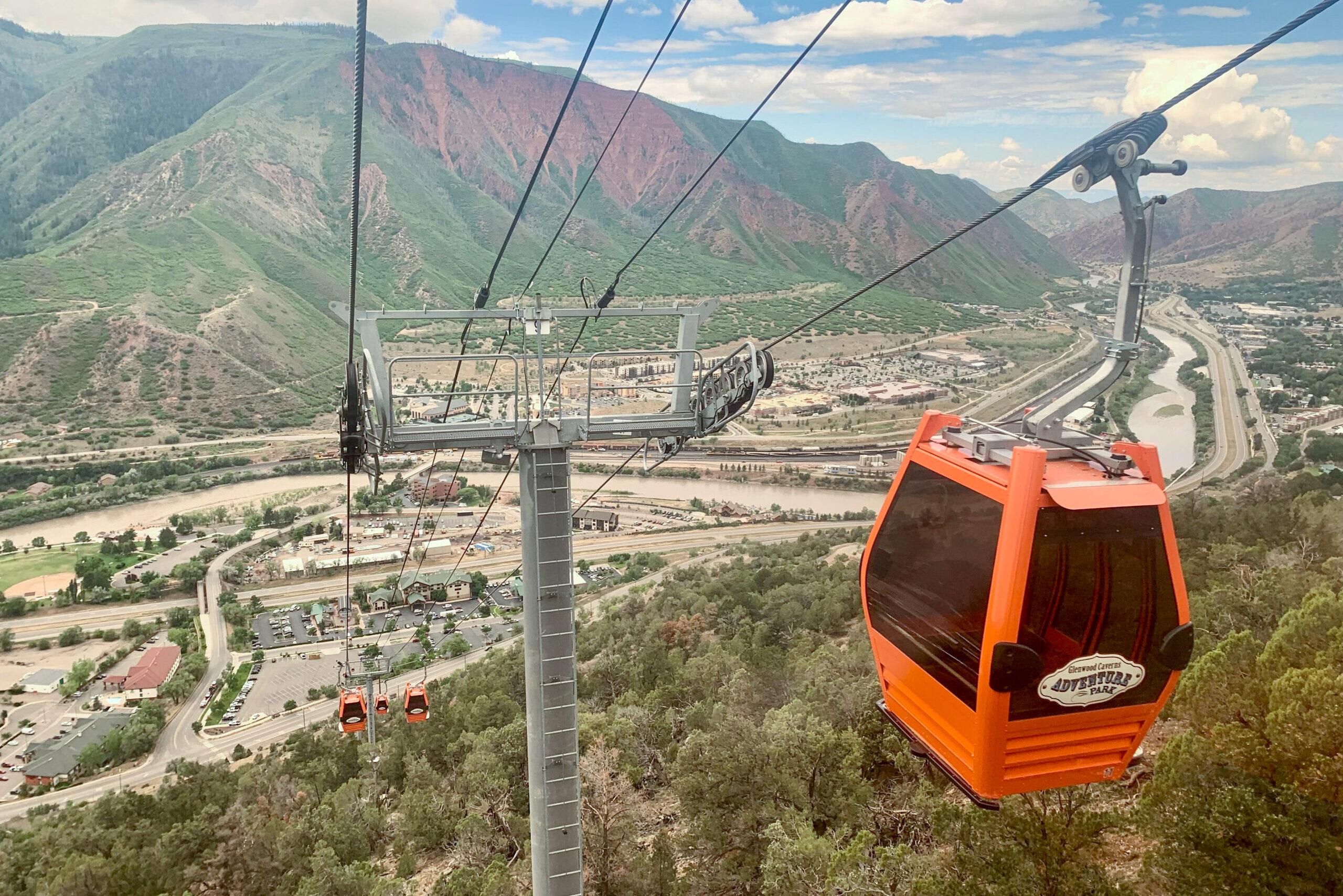
The company that runs Glenwood Caverns Adventure Park is filing for Chapter 11 bankruptcy in light of a nine-figure liability owed to the parents of a 6-year-old girl who died at their park.
Wongel Estifanos was killed on the Haunted Mine Drop ride in 2021 after falling 110 feet. State investigators determined she was not properly secured by park employees. Ride operators failed to notice that the girl was actually sitting on the top of two seatbelts meant to restrain her. They overrode a security light alerting them that she was not buckled in.
A jury initially awarded the family $205 million in damages, which was later reduced by a court down to $116 million. In a 2024 statement to the media, the park’s parent company said the settlement’s size put the park’s existence “at serious risk.”
“If the jury verdict remains as it is, hundreds of local jobs are in peril,” a park representative said at the time.
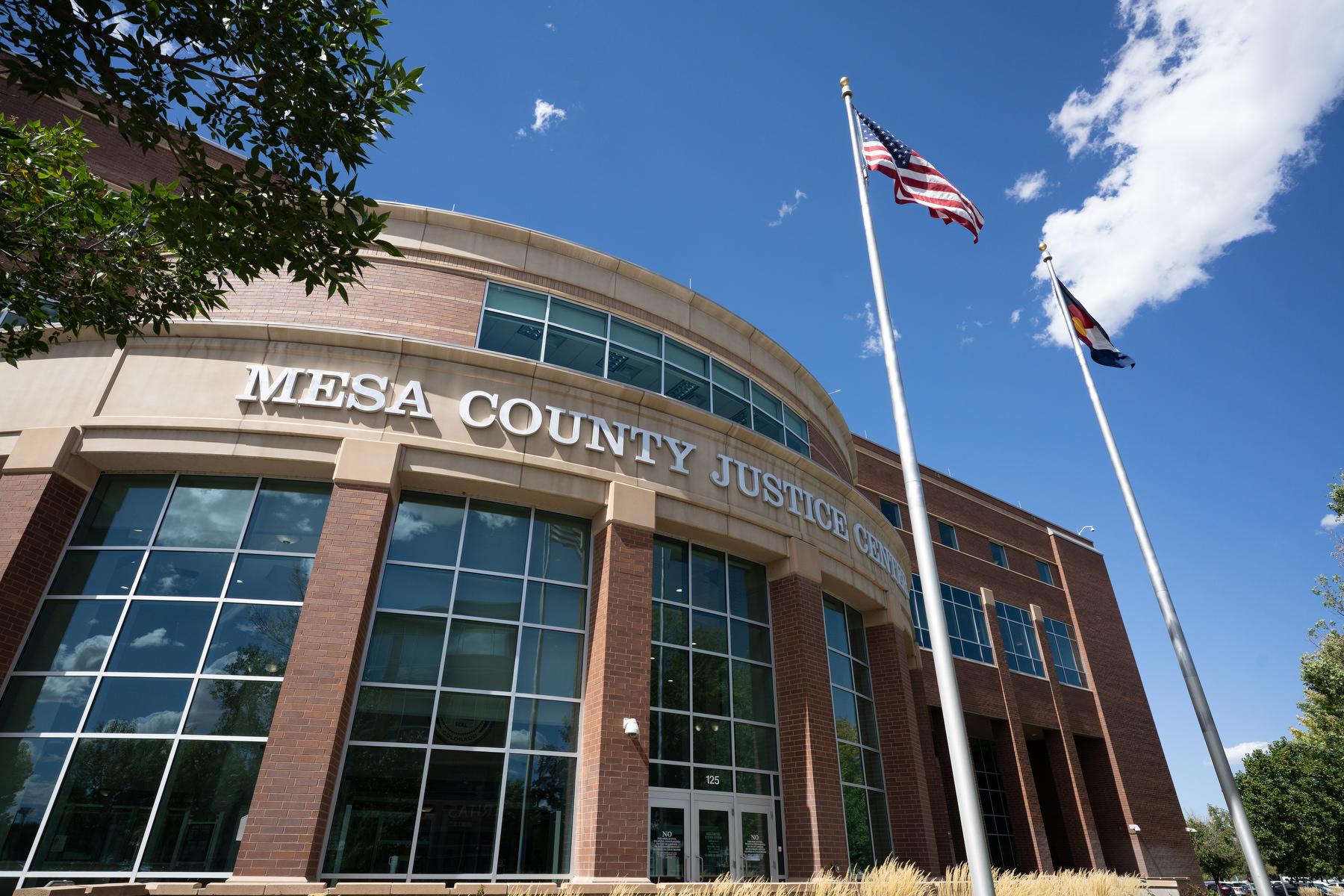
The filing was entered into bankruptcy court in Delaware on Monday. Under Chapter 11 bankruptcy, a corporation may reorganize its corporate structure in a way that allows it to keep the business running while establishing a plan to pay creditors over time.
In a statement shared with CPR News, company officials said the park will continue to operate as normal, with “no impact to day-to-day operations or scheduled events.”
“We recognize the unimaginable loss of the Estifanos family. Our decision to pursue Chapter 11 is the most responsible path to stabilize the business, preserve operations and maintain the value for the benefit of all parties. Our priority is to honor our obligations with integrity; maintain stability for our guests, employees and partners; and ensure the business remains strong to support the community we love,” the statement said.
Challenging the settlement for business reasons
According to court filings, the owners of Glenwood Caverns also intend to appeal the judgment against them.
“The Debtor believes that the Colorado Court committed reversible error prior to, during, and after the trial. The Debtor intends to prosecute an appeal of the jury’s verdict and associated orders,” the restructuring officer for the owners of the park noted in a bankruptcy filing. “The Debtor’s insurance policy covers the cost of trial and appellate counsel; thus, those efforts will not deplete estate resources.”
Glenwood Caverns Holdings LLC lists 18 creditors to which it owes money, with the Estifanos family being by far the largest. Other debts include $10,000 owed to a professional services and accounting company in San Francisco and $240 owed to a custodial services company in Glenwood Springs.
The company lists its estimated assets as between $10-$50 million and its annual gross revenue between $14-$16 million.
Paul Maniscalco is listed as the proposed chief restructuring officer for the caverns. In a court filing he said the Chapter 11 move is needed to keep the park open and that the "Plaintiff's aggressive collection efforts would likely result in the immediate cessation of the Debtor’s business operations.”
According to Maniscalco’s filing, the park and the girls’ parents had entered into a series of agreements to not act on the $116 million judgment. The last of those agreements expired Monday. And the filing argues that paying the judgment would threaten its business and investors, as well as the jobs of 100 staff.
History of safety complaints
Glenwood Caverns Adventure Park has been a tourist mainstay since 1999, with thrill rides added a few years later. The lawsuit brought by Estifanos’ family says that former guests had expressed concerns over the park’s safety.
The lawsuit says that in 2019, a person who also rode the Haunted Mine Drop claimed that employees almost dispatched the ride when they were not restrained. The guest wrote in an email to the park that they had to argue with the ride operators, who kept insisting they were buckled in even though they weren’t.
“I urge you to look into this, otherwise you could have customers who will get seriously injured or even worse, dead,” the passenger wrote to the park.
According to the state investigation’s findings, one of the issues with the ride is that the seatbelts meant to restrain riders would automatically lock if no one was sitting in the seat.
Employees would have to manually unlock the belts for the next guest to use. Unlike most drop rides, the Haunted Mine Drop did not include shoulder harnesses. According to the Denver Post, the ride’s designer said in a 2017 TV interview that the lack of harnesses made it “a little bit more scary.”
The Haunted Mine Drop still runs today, though under a new name: Crystal Tower. It reopened in 2023 with a host of new safety features, including additional restraints and an enclosure that creates an elevator-like environment.