Alpine Tundra

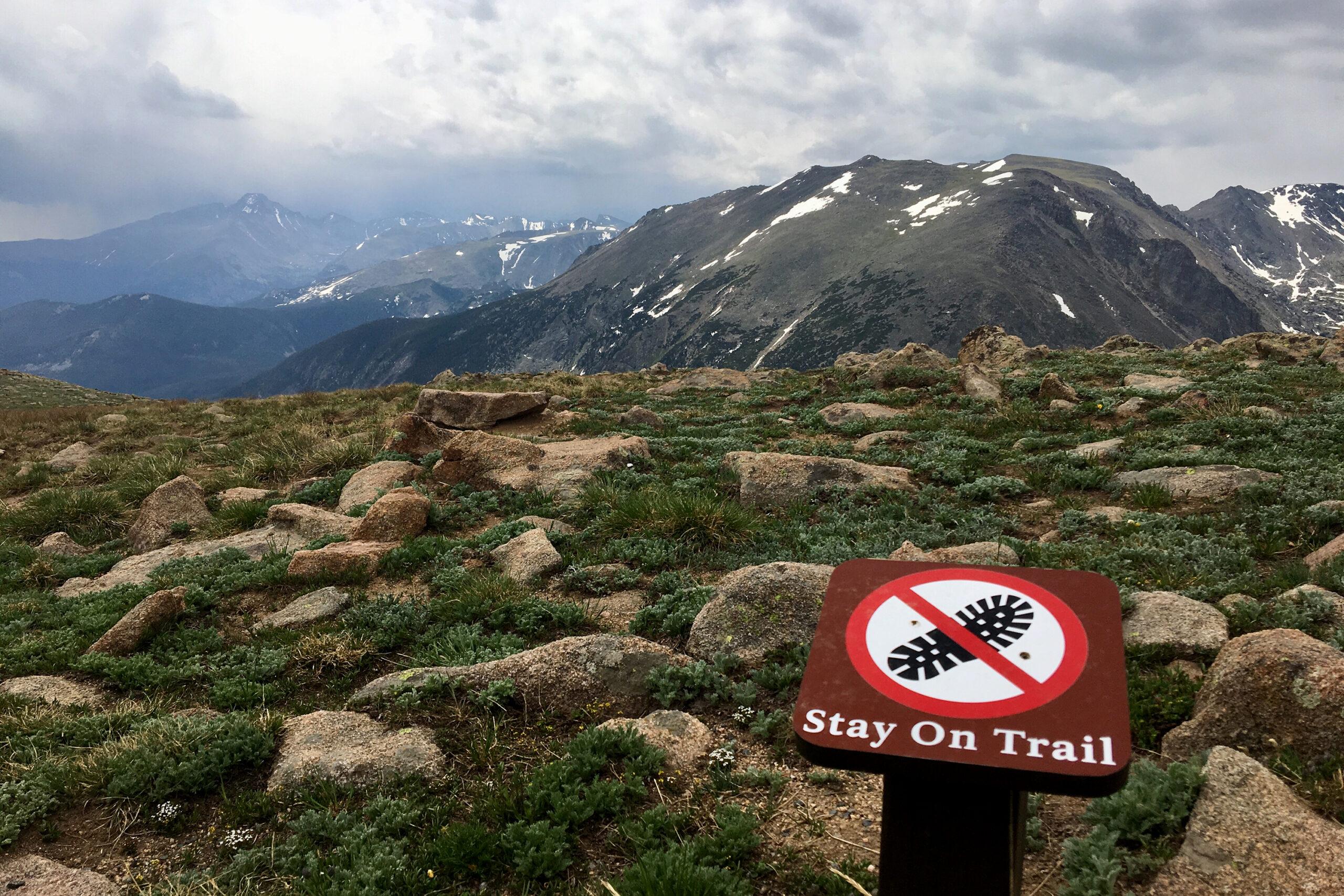
Colorado’s alpine tundra is most visible in Rocky Mountain National Park above 11,400 feet. It’s a spectacular environment – but cold and severe. Still, life persists.
The firs and pines at the edge of the tundra look more like shrubs, stunted and gnarled from frequent exposure to icy hurricane-force winds, and they may take a hundred years to gain a mere inch in diameter. Above timberline, many flowering plants have dense hairs to protect against the cold. The largest of these is the alpine sunflower, also known as the Old Man of the Mountain for the white hairs coating it. For ten long years it stores energy in its roots. And then it blooms, but only once. As the writer Ann Zwinger wrote, “The alpine tundra is a land of contrast and incredible intensity, where the sky is the size of forever, and the flowers the size of a millisecond.”
About Colorado Postcards

Colorado Postcards are snapshots of our colorful state in sound. They give brief insights into our people and places, our flora and fauna, and our past and present, from every corner of Colorado.