
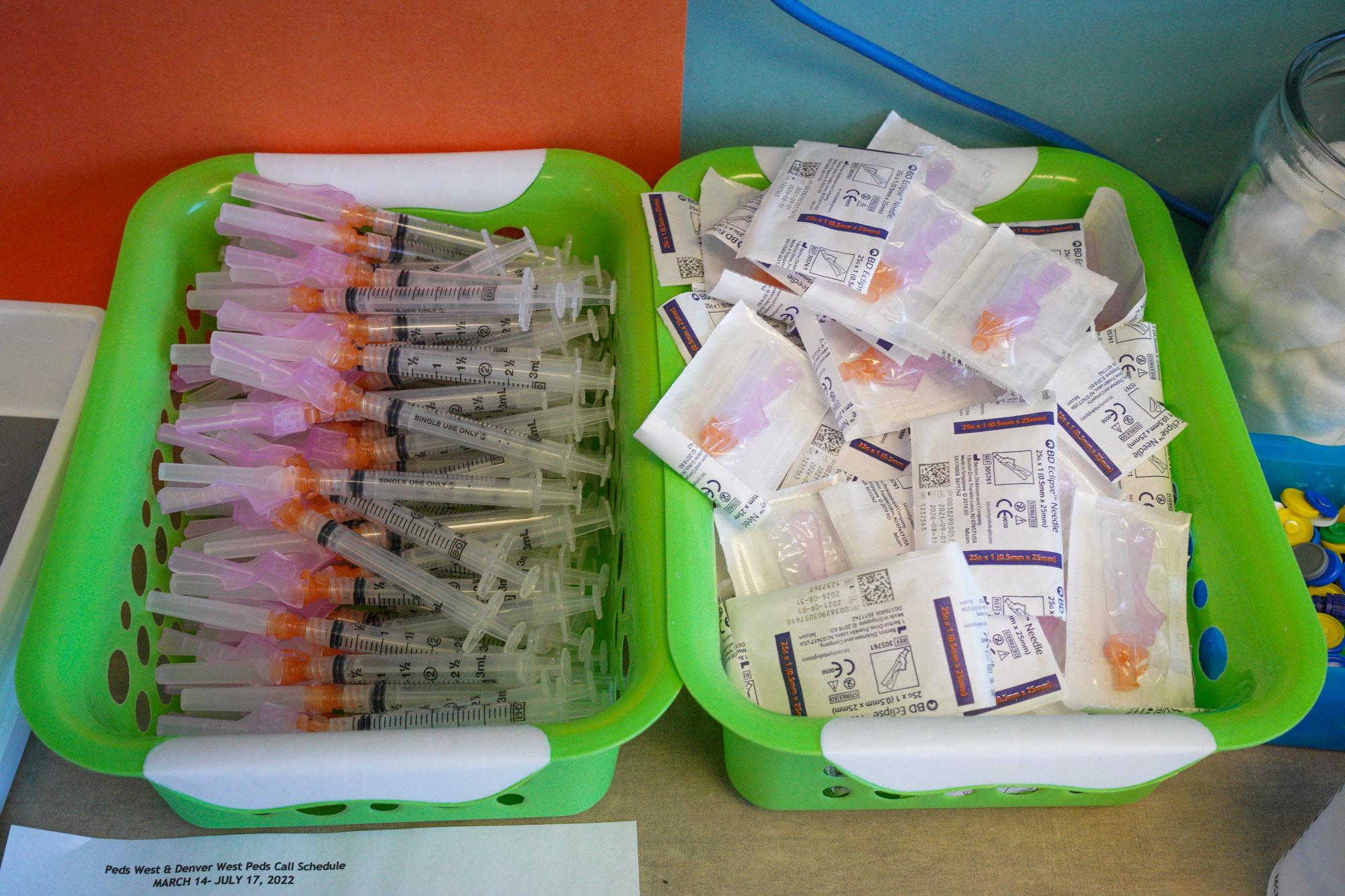
By a variety of measures, influenza is pounding Colorado with a punch this December.
“This year has been this unprecedented season where we're seeing a lot of influenza activity,” said Dr. Suchitra Rao, an infectious diseases pediatrician with Children’s Hospital Colorado. “We were seeing our first cases of flu in Colorado before we were seeing our first snow in Colorado.”
The Colorado Department of Public Health and Environment this week confirmed its first influenza-associated pediatric death of the 2025-26 viral respiratory disease season. The child was elementary school-aged from metro Denver.
A spokesman for the federal Centers for Disease Control and Prevention said the Colorado pediatric flu death is one of three in the country so far this season.
“During most seasons 80 to 90% of flu-related pediatric deaths happen in kids who are not fully vaccinated against flu,” said Jason Lefevre, CDC Public Affairs Specialist, via email.
Last respiratory season, Colorado reported three pediatric flu deaths. The most recorded in recent years was 2019-20, when four Colorado children died from flu.
Pediatric flu deaths in Colorado in by respiratory season:
- 2019-20: 4
- 2020-21: 0
- 2021-22: 1
- 2022-23: 2
- 2023-24: 3
- 2024-25: 3
- 2025-26: 1, (as of Dec. 19)
(Source: Colorado Department of Public Health and Environment)
Flu hospitalizations are rising sharply in Colorado — 334 people are currently hospitalized with influenza, according to the state’s online viral respiratory diseases report. That’s 3.5 times the number Colorado recorded this same week last year; the last time flu hospitalizations were this high was late February.
For the best protection, doctors urge Coloradans to get vaccinated, but so far not that many are, though the numbers increase every week.
Twenty-six percent of Coloradans, about 2% less than this time last year, have received a flu immunization this season, according to the dashboard. A little higher percentage (28%) of those 6 months to 9 years old have gotten a flu vaccine; just 19% of those 10-19 years have gotten it.
Residents 65 and older have the highest flu vaccination rate, with 48%.
The number of pediatric hospitalizations, defined as younger than 18, is 71, which is about six times what it was a month ago.
Rao said the numbers matched what she was seeing as she worked in the hospital over Thanksgiving. “It was inundated with children with influenza,” she said.
Pediatric clinics in Colorado have been busy too
“We're seeing tons of influenza A right now,” said Dr. Shen Nagel, a pediatrician with Wheat Ridge clinic Pediatrics West. “It was an early start to the season and has just kept increasing thus far,” which he said is pretty consistent with what was seen in the southern hemisphere, which had a severe season.
With the high numbers to start, the clinic is also seeing an increase in hospitalizations amongst its patients, especially infants and toddlers, as well as complications like pneumonias, even in older kids.
“The more severe illnesses and complications tend to be occurring in unimmunized kids. And with the holiday season, I'd expect even more in the next month,” Nagel said. “So it's still reasonable to get a flu shot even though we're fully into flu season.”
The state’s chief medical officer, Dr. Ned Calonge, underscored that message.
“The flu vaccine remains the single most effective tool we have to prevent serious illness, hospitalization, and death. Because we are seeing this early surge in cases, now is the ideal time to get protected before the peak of the season,” said Calonge, via email.
He strongly encourages Coloradans to stay current on other respiratory immunizations. “You can safely receive a COVID-19 vaccine at the same appointment,” he said.
A national map published earlier this month by the Centers for Disease Control and Prevention showed Colorado in dark red, one of a few states with the highest flu activity, categorized as very high, along with Louisiana, New York and New Jersey. In New York City, the nation’s largest, the activity is also classified as very high.
The regions with the state’s biggest population centers, in the Denver metro area and El Paso County, home to Colorado Springs, along with the Eastern Plains, were seeing the highest rates of flu, according to the dashboard.
But cases are popping up around the state.
In Mesa County, for example, hospitalizations related to the flu are up 50% compared to a year ago. Kathleen Satterfield, epidemiologist supervisor at Mesa County Public Health, said her office has recorded 18 hospitalizations since October compared to 12 for the same period last year.
“We have also seen and investigated six outbreaks since Dec. 9 of influenza,” Satterfield said.
Those numbers put Mesa County at 11 hospitalizations per 100,000 people, higher than the current state average.
Easier than ever to detect, vaccinate for flu at home
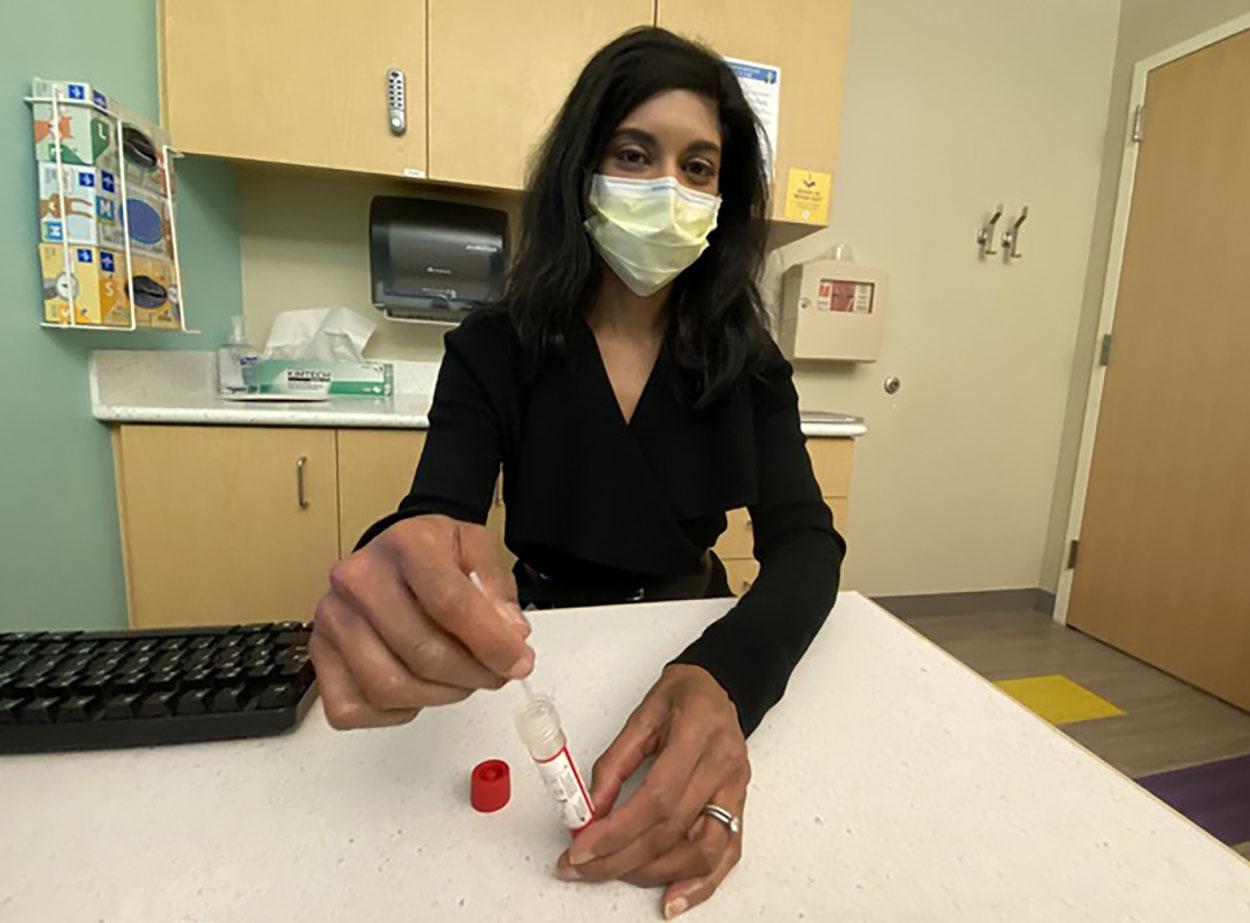
Doctors say it's worth knowing that there are now at-home rapid flu tests, similar to COVID-19 tests, as well as a nasal spray vaccine one can self-administer.
Rao said some of the rapid tests come just as individual flu tests.
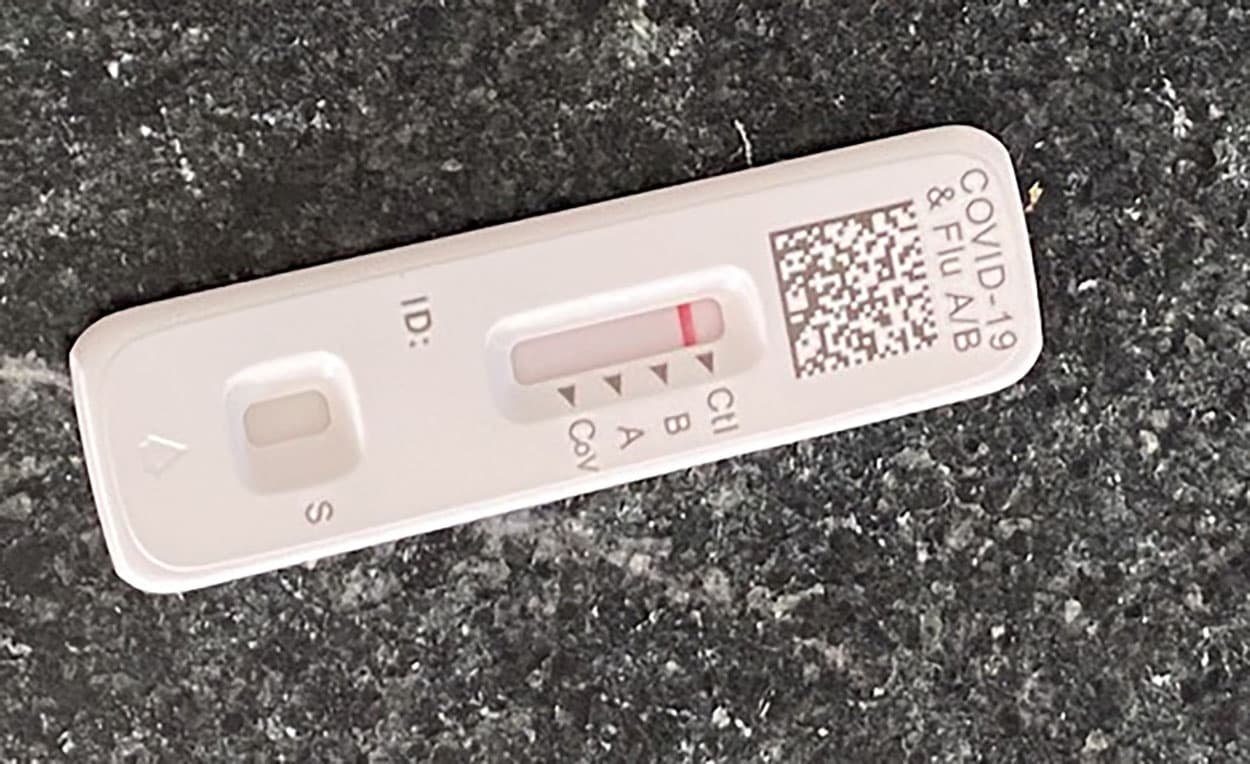
“Some of them come combined with COVID testing as well. And they do a similar thing,” she said. “So you have a swab, you put it in your nose and then you can get your test result within 15 to 20 minutes.”
She said you can buy it at a pharmacy, grocery store or online, and a number of the tests are also covered by insurance.
Meanwhile, the nasal spray flu vaccine, sold under the brand name FluMist, has actually been around for a number of years now.
New this season, Rao said, people can self-administer it from the comfort of their living room.
You can order it from a website, which asks screening questions to make sure you're eligible and check if your insurance will cover it.
“So then you can just use the spray yourself,” Rao said. “And then if you're a parent or a caregiver, you can also administer it for your kids as well.”
Rao said it's considered as effective as a regular shot.
Tom Hesse contributed to this report.